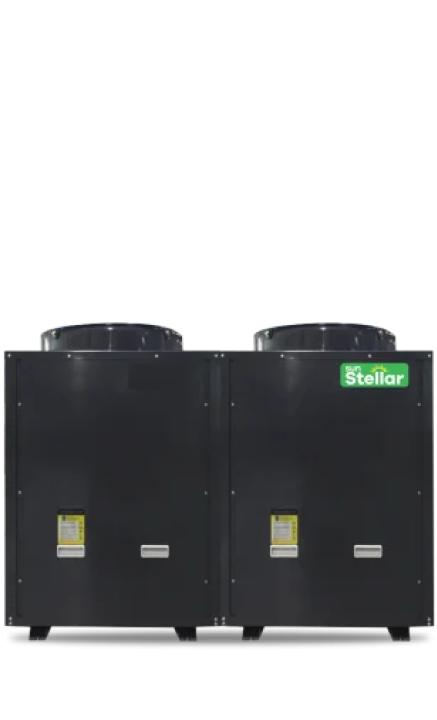
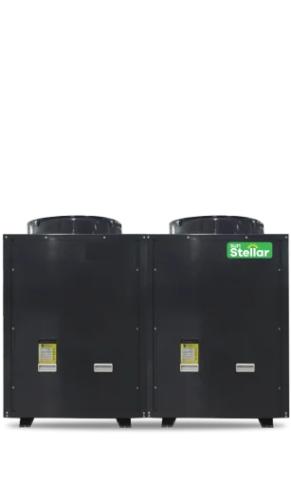
With rising interest in lower-energy climate control, companies now turn more often to commercial heat pump systems for daily operations. Office complexes, stores, and factories alike begin seeing value in these setups over time. Their appeal grows not just from efficiency, but also from reduced operating costs over the years. Still, questions remain about whether upfront expenses balance out later on. A closer look helps clarify what they actually deliver.
Heat Pump Systems Offer Efficient Heating And Cooling
1. Energy Efficiency and Cost Savings
Energy efficiency stands out among the benefits linked to commercial heat pumps. By moving thermal energy rather than creating it, these units require far less power than standard heating and cooling setups. As a result, companies - particularly those managing expansive areas - often see lower monthly expenses. Savings accumulate across years, making operational costs more predictable.
2. Environmentally Friendly Solution
Business operations today show more interest in sustainable practices that protect the environment. The carbon emissions of heat pumps decrease because they function without using fossil fuel combustion. The option enables the achievement of environmental objectives which extend from sustainable construction standards to the company's commitment to environmental protection practices.
3. Year-Round Functionality
The system controls temperature changes which occur throughout the year because it requires no extra systems for operation. The system design reduces equipment costs while creating easier maintenance procedures for users to follow.
4. Improved Indoor Comfort
Heat pump systems provide indoor spaces with stable temperatures while they also help to control humidity levels. The indoor environment reaches an optimal state which makes people feel comfortable whether they are workers, guests or shoppers. People experience better comfort which enables them to concentrate better and interact with others throughout the day.
Initial Investment Compared to Future Returns of a Heat Pump Water Heater
The initial cost of heat pump systems requires more financial investment than regular heating and cooling systems. The installation costs depend on three main factors: the building size and the energy source used and the complexity of the installation work.
The upfront cost gets covered over time through saved expenses. Energy expenses decrease while maintenance requirements become less demanding and government incentives provide additional assistance. As time progresses understanding of the payback period increases more effectively.
Suitability Across Various Commercial Environments
Some buildings need more than others. Where heating demands vary, heat pumps often fit well.
Office buildings with consistent occupancy
Retail stores require steady climate control
Hotels and healthcare facilities need reliable heating and cooling
Warehouses and industrial units with moderate temperature demands
Though rare, some frigid zones demand extra backup setups. Still, today’s heat pumps work far better in cold air than before. Efficiency now holds up where it once failed.
Maintenance and Lifespan
Heat pumps tend to last longer simply because they have fewer components that can break. Because there are less mechanical elements involved, stress on the unit stays low over time. A checkup every so often keeps things running smoothly. Some units continue working well past two decades when looked after properly.
Because they last so long, companies focused on lasting results often choose them without hesitation.
Are They Worth It?
Depending on what your company hopes to achieve, putting money into commercial heat pump systems might make sense. Should cutting energy expenses be a priority, while also shrinking carbon output, a move toward heat pumps could fit well. Future-focused upgrades of this kind often align with long-term planning, especially when sustainability matters.
Although initial costs seem high, the system demonstrates strong effectiveness because it reduces energy consumption and operating expenses and delivers persistent ecological benefits which enable it to function effectively in current business environments.
Final Thoughts
The present market requires people to make better decisions which have particular relevance for energy consumption situations. The efficiency improvements become evident when outdated HVAC systems are replaced with contemporary equipment. The combination of commercial heat pump systems provide operational savings and environmental benefits which people do not typically anticipate to find in a single solution. The system maintains optimal performance across all commercial areas because of its capacity to handle demanding operational loads. Business owners looking ahead often find these systems align well with long-term planning. Organizations obtain value from their equipment through monthly expenses and extended equipment lifespan benefits.
Expert advice establishes the most suitable heating solution for your building requirements. Well-designed heat pump systems create permanent advantages that endure throughout their operational period.