
In today’s digital world, turning casual website visitors into loyal customers isn’t accidental — it’s strategic. That’s where funnel builders come in. These powerful tools help businesses create a step-by-step online journey that guides people from initial awareness to final purchase with ease. But how do funnel builders actually work behind the scenes? Let’s explore the mechanics and magic of these conversion-focused platforms.
What Is a Funnel Builder?
A funnel builder is a software platform designed to help you create and manage a series of connected web pages aimed at guiding potential customers toward a specific action. Unlike traditional websites, which often have multiple options and menus, funnels are focused on one goal at a time, such as subscribing to a newsletter, signing up for a webinar, or making a purchase.
Funnel builders combine visual editors, pre-designed templates, forms, payment systems, and automated follow-ups into one platform. This makes it easy for businesses to build effective marketing campaigns without needing coding skills.
The Stages Funnels Guide Users Through
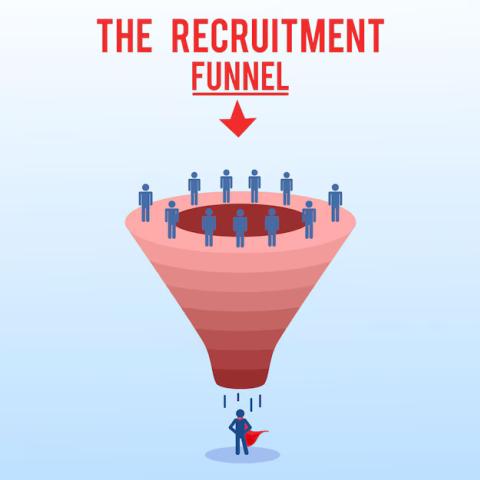
To understand how funnel builders work, it helps to know the typical stages of a marketing or sales funnel:
Awareness — Potential customers discover your brand through ads, content, or social media.
Interest — Visitors engage with your offer, such as clicking a landing page or downloading a free resource.
Decision — Your funnel presents an attractive offer, like a discount, product demo, or consultation.
Action — The prospect completes the desired goal, such as purchasing, subscribing, or booking a service.
The funnel builder connects these stages smoothly, ensuring every visitor sees the right message at the right time to encourage action.
What Happens Behind the Scenes?
Let’s look at the hidden processes that make funnels effective:
1. Funnel Design and Structure
Funnel builders provide templates for different goals, including lead capture, product launches, webinars, and checkout pages. Behind the scenes, the software maps these pages into a logical sequence so users move step-by-step toward conversion without distractions.
Creators can customize layouts, messaging, and calls-to-action using drag-and-drop editors, allowing full control without coding knowledge.
2. Tool Integration and Automation
Funnel builders connect seamlessly with other business tools such as email marketing platforms, CRM systems, and payment processors. This integration ensures that:
Contact information is automatically stored when someone opts in.
Payments are processed smoothly with confirmations sent instantly.
Follow-up emails or messages are triggered automatically based on user behavior.
Automation ensures the funnel runs efficiently without manual intervention.
3. Tracking, Testing, and Optimization
Funnel builders include analytics tools to monitor user behavior at every step. Key metrics include:
Conversion rates
Drop-off points
Engagement with pages
Average purchase value
These insights allow marketers to run A/B tests and optimize the funnel for better performance, increasing conversions over time.
4. Personalization and Smart Features
Modern funnel builders can use personalization to tailor content based on visitor behavior, location, or interests. This behind-the-scenes customization increases engagement and creates a more effective, user-friendly experience.
Why Funnel Builders Matter
Funnel builders simplify complex marketing and sales workflows. They:
Reduce technical challenges by combining multiple tools in one platform
Improve conversions by guiding users toward a clear goal
Automate follow-ups so leads don’t go cold
Provide insights into performance so strategies can be refined
In short, funnel builders turn traffic into measurable results efficiently and effectively.
Conclusion
Behind the scenes, funnel builders are much more than just page editors. They are the engines that power smart marketing strategies, automate user journeys, track performance, and optimize conversions. Whether you’re a small business, an online creator, or a coach, understanding and leveraging funnel mechanics can significantly boost your growth and revenue.
Read more here: https://topreviewsprint.com/how-funnel-builders-work-behind-scenes/