Preparing for the Fortinet NSE 8 written exam requires a structured approach, deep technical understanding, and consistent practice. As one of the most advanced certifications in network security, it validates expert-level skills in designing, configuring, and troubleshooting complex Fortinet environments. Many candidates pursuing advanced credentials like FCX Certification also align their preparation with NSE 8 due to its industry recognition and technical depth.
Introduction
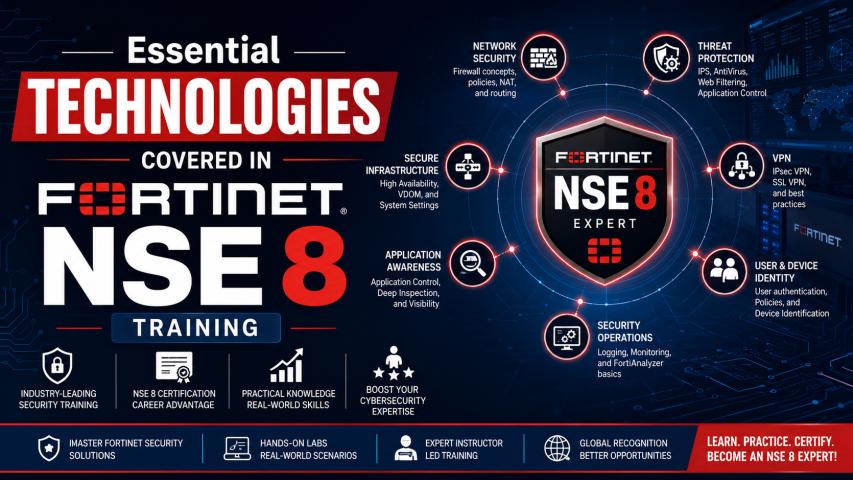
The Fortinet NSE 8 written exam is designed to test a candidate’s expertise across a wide range of security domains, including network security, advanced routing, VPN technologies, and security fabric integration. Unlike entry-level certifications, this exam demands not just theoretical knowledge but also the ability to apply concepts in real-world scenarios.
A well-planned preparation strategy is essential to cover the extensive syllabus effectively and build confidence before attempting the exam.
Understanding the Exam Structure
Before starting your preparation, it’s important to understand the exam format. The NSE 8 written exam typically includes multiple-choice questions that test:
Network security fundamentals
Advanced FortiGate configurations
VPN technologies and troubleshooting
Security fabric architecture
Routing protocols and high availability
Having clarity on the exam blueprint helps you prioritize topics and allocate study time efficiently.
Build a Strong Foundation
A solid understanding of core networking and security concepts is crucial. Focus on:
TCP/IP fundamentals
Routing protocols like OSPF and BGP
Firewall policies and NAT
VPN concepts (IPsec and SSL)
Without a strong base, advanced topics will be difficult to grasp. Spend time revising these fundamentals before diving deeper.
Follow a Structured Study Plan
Creating a study plan ensures consistent progress. Break your preparation into manageable phases:
Concept Learning – Cover each topic in detail
Hands-On Practice – Apply concepts in lab environments
Revision – Reinforce key topics regularly
Mock Testing – Evaluate your readiness
Consistency is key. Even 2–3 hours of focused study daily can lead to significant improvement over time.
Hands-On Practice Is Essential
Theory alone is not enough for NSE 8 preparation. Practical experience helps you understand real-world scenarios and troubleshooting techniques.
Set up a lab environment to practice:
Firewall configurations
VPN deployments
High availability setups
Security policy enforcement
Hands-on practice improves retention and prepares you for both the written and practical exams.
Focus on Key Topics
While the syllabus is broad, certain topics carry more weight. Prioritize:
Advanced firewall policies
VPN design and troubleshooting
Routing integration with security
Security fabric components
High availability and failover
Understanding these areas in depth will significantly boost your chances of success.
Use Multiple Learning Resources
Relying on a single resource may limit your understanding. Combine:
Official documentation
Training courses
Practice exams
Technical blogs and whitepapers
Diverse learning sources provide different perspectives and help strengthen your concepts.
Practice with Mock Exams
Mock exams are one of the most effective ways to prepare. They help you:
Identify weak areas
Improve time management
Get familiar with exam patterns
After each test, analyze your mistakes and revise those topics thoroughly.
Time Management Tips
Managing time during preparation and the actual exam is crucial:
Allocate more time to difficult topics
Avoid spending too long on a single question
Practice answering questions under timed conditions
Efficient time management ensures you can complete the exam confidently.
Quick Preparation Strategy Table
Preparation Area | Focus Strategy | Outcome |
Fundamentals | Revise networking and security basics | Strong conceptual foundation |
Hands-On Practice | Lab-based configurations | Real-world understanding |
Key Topics | Focus on high-weight areas | Better scoring potential |
Mock Tests | Regular practice exams | Improved accuracy and speed |
Revision | Weekly topic review | Better retention |
Common Mistakes to Avoid
Many candidates make avoidable mistakes during preparation:
Ignoring fundamentals
Skipping hands-on practice
Relying only on dumps or shortcuts
Not revising regularly
Avoiding these pitfalls can significantly improve your performance.
Final Revision Strategy
In the last few weeks before the exam:
Focus on weak areas
Review notes and summaries
Practice more mock tests
Avoid learning entirely new topics
This phase should be about strengthening what you already know.
Conclusion
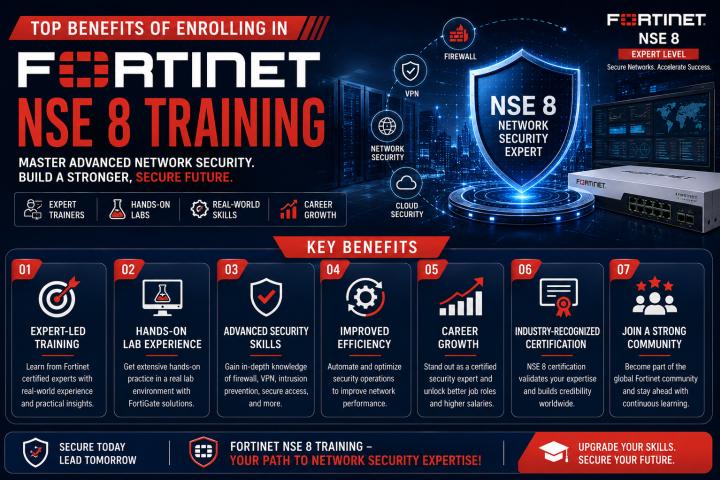
Cracking the Fortinet NSE 8 written exam requires dedication, consistency, and a well-structured approach. By combining strong fundamentals, hands-on practice, and regular testing, candidates can build the confidence needed to succeed. A strategic preparation plan not only helps in clearing the exam but also enhances real-world security expertise. For professionals aiming to master advanced network security, enrolling in Fortinet NSE 8 training can further accelerate learning and provide the practical exposure required to excel in both certification and career growth.