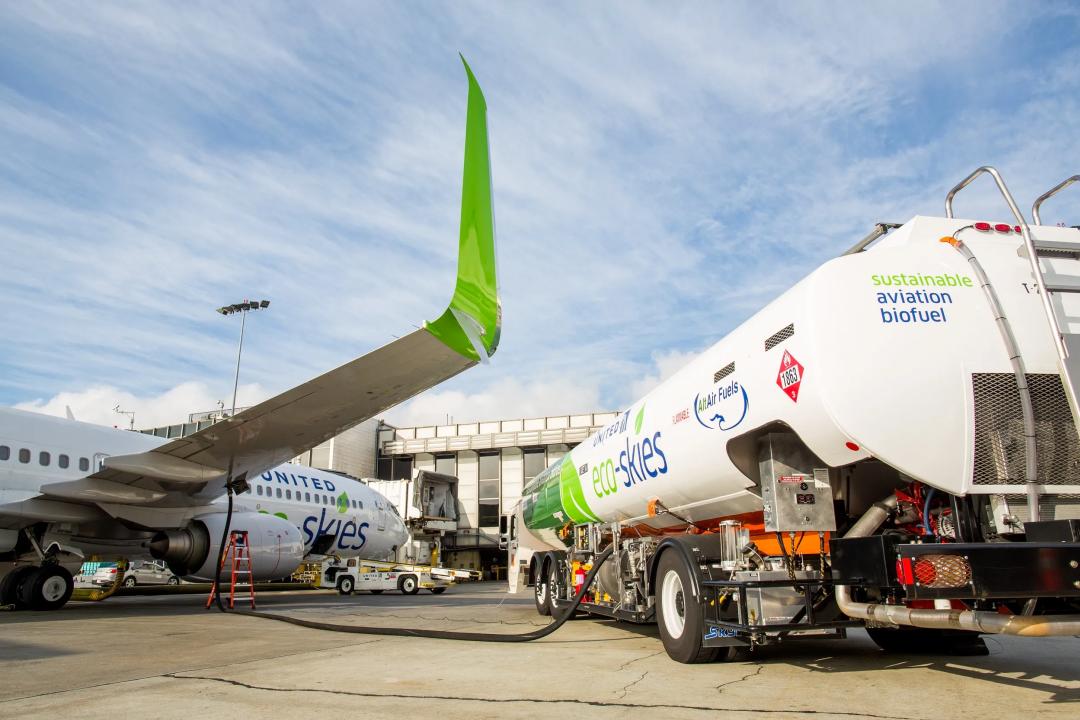
The aviation industry is under growing pressure to reduce its carbon footprint. As global travel increases, so do emissions from aircraft. This has led to a strong push toward cleaner alternatives, especially in the form of Sustainable Aviation Fuel. Among the most promising options are electrofuels and biofuels. Both aim to replace traditional Aviation Fuel, but they are built on very different technologies. The question is: which one has the potential to lead the future of aviation?
This article explains both technologies in simple terms, compares their strengths and challenges, and explores which may come out ahead in the race toward sustainable jet fuel.
Understanding Biofuels
Biofuels are made from natural materials such as crops, agricultural waste, or used cooking oil. These materials are processed and converted into fuel that can power aircraft with lower emissions than fossil fuels.
One key advantage of biofuels is that they are already in use today. Airlines and fuel producers have tested and adopted them in small quantities. This means the technology is relatively mature compared to newer alternatives.
However, biofuels also face challenges. Growing crops for fuel can compete with food production and require large amounts of land and water. There are also concerns about deforestation and biodiversity loss if not managed responsibly.
Understanding Electrofuels
Electrofuels, also known as e-fuels, are created using renewable electricity. The process involves capturing carbon dioxide from the air and combining it with hydrogen produced through water electrolysis. The result is a synthetic fuel that can be used in existing aircraft engines.
The biggest advantage of electrofuels is their potential for near-zero emissions. Since they use captured carbon dioxide, they can create a closed carbon cycle. This means the carbon released during flight is roughly equal to the carbon used to produce the fuel.
Despite this promise, electrofuels are still in the early stages of development. The production process is complex and expensive, mainly because it requires large amounts of renewable energy.
Key Differences Between Electrofuels and Biofuels
1. Source of Raw Materials
Biofuels depend on biological resources such as plants and waste materials. Electrofuels rely on electricity, water, and captured carbon dioxide. This makes electrofuels less dependent on land use.
2. Environmental Impact
Biofuels can reduce emissions, but their overall impact depends on how the raw materials are sourced. Electrofuels offer a cleaner lifecycle if powered by renewable energy, making them a strong long-term option.
3. Technology Maturity
Biofuels are already being used in commercial flights. Electrofuels are still developing and need further investment to scale up.
4. Cost and Scalability
Biofuels are currently more affordable and easier to produce at scale. Electrofuels are expensive but could become cheaper as renewable energy becomes more widely available.
Case Study 1: Biofuel Adoption by Airlines
A major European airline conducted several commercial flights using biofuel blends made from used cooking oil. These flights showed a reduction in carbon emissions by up to 80% compared to traditional fuel. The success of this initiative proved that biofuels can be integrated into existing systems without major changes to aircraft or infrastructure.
This case highlights how biofuels are already contributing to the growth of sustainable jet fuel and helping airlines meet short-term emission targets.
Case Study 2: Electrofuels Pilot Project
In a recent pilot project in Northern Europe, a company developed electrofuels using wind energy. The project demonstrated that synthetic fuels could be produced using only renewable resources and captured carbon dioxide. While the production scale was small, it showed strong potential for future expansion.
This example reflects the long-term promise of electrofuels, especially in regions with abundant renewable energy.
Which Technology Has the Edge?
The answer is not simple because both technologies serve different purposes in the transition to cleaner aviation.
In the short term, biofuels are likely to dominate. They are already available, easier to produce, and supported by existing supply chains. Airlines can adopt them quickly without major changes.
In the long term, electrofuels may become the preferred choice. Their ability to create a closed carbon cycle and reduce dependence on land resources makes them highly attractive. As renewable energy becomes cheaper and more widespread, the cost of electrofuels is expected to decrease.
The Role of Policy and Investment
Government policies and private investments will play a major role in determining the winner. Incentives for clean energy, carbon pricing, and research funding can accelerate the development of both technologies.
In reality, the future of aviation may not depend on a single solution. A combination of biofuels and electrofuels could work together to meet different needs and timelines.
Conclusion
Both electrofuels and biofuels have important roles to play in the future of aviation. Biofuels offer a practical and immediate solution, while electrofuels represent a cleaner and more scalable option for the long term.
As the industry continues to evolve, the focus should not only be on choosing a winner but also on supporting innovation in both areas. This balanced approach will help the aviation sector move closer to a more sustainable future.
FAQs
1. What is Sustainable Aviation Fuel?
It is an alternative fuel made from renewable sources that reduces carbon emissions compared to traditional jet fuel.
2. Are biofuels currently used in aviation?
Yes, many airlines are already using biofuel blends in commercial flights.
3. Why are electrofuels expensive?
They require advanced technology and large amounts of renewable energy, which increases production costs.
4. Can electrofuels fully replace traditional fuels?
They have the potential to do so in the future, but large-scale production is still under development.
5. Which is better for the environment: biofuels or electrofuels?
Electrofuels may offer lower emissions in the long run, but biofuels are currently more practical and widely used.