Introduction
The cryptocurrency market has evolved rapidly over the past few years, with millions of users entering the space to invest, trade, and build blockchain-based solutions. As digital assets grow in popularity, one of the most critical decisions users and businesses must make is choosing the right type of crypto wallet.
A reliable crypto wallet app development company plays a vital role in helping businesses create secure, scalable, and user-friendly wallet applications. However, before building or selecting a wallet, it’s essential to understand the two primary types: custodial and non-custodial wallets.
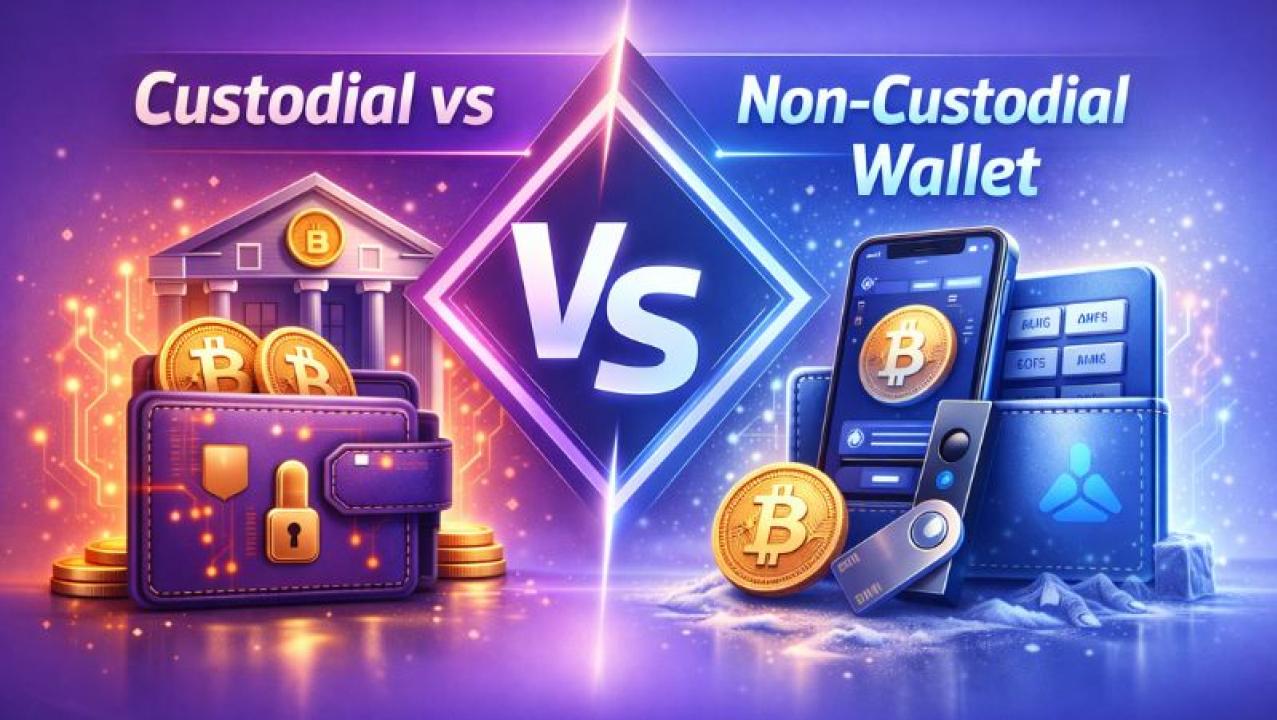
These wallet types differ significantly in terms of control, security, accessibility, and user responsibility. In this comprehensive guide, we will explore their differences, advantages, disadvantages, and real-world use cases to help you make the right decision.
What is a Crypto Wallet?
A crypto wallet is a digital application or hardware device that allows users to store, send, and receive cryptocurrencies like Bitcoin, Ethereum, and other digital assets.
Unlike traditional wallets, crypto wallets do not physically store money. Instead, they store:
- Private keys (used to access funds)
- Public keys (used to receive funds)
These keys interact with blockchain networks to facilitate secure transactions.
Crypto wallets are broadly classified into:
- Custodial wallets
- Non-custodial wallets
Understanding these types is crucial for both users and businesses involved in blockchain wallet development.
What is a Custodial Wallet?
How Custodial Wallets Work
Custodial wallets are managed by third-party platforms such as cryptocurrency exchanges (e.g., Binance, Coinbase). In this model, the service provider holds and manages the user's private keys.
This means users don’t have direct control over their funds. Instead, they rely on the platform to secure and manage their assets.
Advantages of Custodial Wallets
Custodial wallets are widely used due to their simplicity and convenience.
Key benefits include:
- Easy onboarding for beginners
- Password recovery options available
- Seamless integration with trading platforms
- No need to manage private keys
For new users entering the crypto space, custodial wallets provide a familiar experience similar to traditional banking apps.
Disadvantages of Custodial Wallets
Despite their ease of use, custodial wallets come with certain risks:
- Lack of full control over funds
- Vulnerability to centralized hacks
- Dependence on third-party providers
- Possible restrictions on withdrawals
The phrase “Not your keys, not your crypto” highlights the risks associated with custodial wallets.
What is a Non-Custodial Wallet?
How Non-Custodial Wallets Work
Non-custodial wallets give users complete control over their private keys. This means only the wallet owner can access and manage their funds.
These wallets are often used in decentralized applications (dApps) and DeFi ecosystems.
Advantages of Non-Custodial Wallets
Non-custodial wallets are preferred by experienced users due to their enhanced control and security.
Key benefits include:
- Full ownership of crypto assets
- Higher privacy and anonymity
- No reliance on third parties
- Reduced risk of centralized attacks
Disadvantages of Non-Custodial Wallets
However, they also come with challenges:
- No recovery option if private keys are lost
- Slightly complex for beginners
- Users are fully responsible for security
If a user loses their seed phrase, their funds are permanently inaccessible.
Custodial vs Non-Custodial Wallet: Key Differences
Understanding the core differences helps users make informed decisions.
1. Control
- Custodial: Controlled by a third party
- Non-custodial: Controlled by the user
2. Security
- Custodial: Managed by provider
- Non-custodial: Managed by user
3. Ease of Use
- Custodial: Beginner-friendly
- Non-custodial: Requires technical understanding
4. Recovery Options
- Custodial: Password recovery available
- Non-custodial: No recovery without seed phrase
5. Privacy
- Custodial: Requires KYC verification
- Non-custodial: Offers more anonymity
Summary
- Custodial wallets focus on convenience
- Non-custodial wallets focus on control and security
Real-World Use Cases & Examples
Understanding practical applications makes the difference clearer.
Custodial Wallet Use Cases:
- Crypto trading on exchanges
- Beginners entering crypto
- Businesses offering managed wallet services
Non-Custodial Wallet Use Cases:
- DeFi applications
- NFT storage
- Long-term crypto holding
- Web3 interactions
For example, a trader using Binance prefers a custodial wallet for quick trades, while a DeFi user prefers MetaMask for full control.
Which Wallet Should You Choose?
The right choice depends on your goals and experience level.
Choose Custodial Wallet If:
- You are a beginner
- You want convenience
- You prefer recovery options
Choose Non-Custodial Wallet If:
- You value privacy and control
- You are experienced in crypto
- You use DeFi or Web3 platforms
In many cases, users combine both wallet types for flexibility.
Role of a Crypto Wallet App Development Company
A professional crypto wallet app development company is essential for businesses entering the blockchain space. They help design and develop secure wallet solutions tailored to specific user needs.
Key Features They Provide:
- Multi-currency wallet integration
- Advanced encryption & security protocols
- Biometric authentication
- Cross-platform compatibility
- Backup and recovery systems
- Smart contract integration
Companies like Technoloader specialize in building scalable and secure wallet applications that align with industry standards.
Choosing the right development partner ensures your wallet is:
- Secure
- User-friendly
- Future-ready
FAQs
1. What is the main difference between custodial and non-custodial wallets?
Custodial wallets store your private keys on your behalf, while non-custodial wallets give you full control over them.
2. Are non-custodial wallets more secure?
Yes, they are generally more secure because users control their keys, but they require proper management.
3. Can I transfer funds between wallet types?
Yes, you can easily transfer crypto between custodial and non-custodial wallets.
4. Which wallet is best for beginners?
Custodial wallets are ideal for beginners due to their simplicity and recovery features.
5. Why do businesses need a crypto wallet app?
Businesses need wallet apps to offer secure transactions, improve user experience, and integrate blockchain services.
Conclusion
Choosing between custodial and non-custodial wallets is a crucial decision in the crypto journey. While custodial wallets provide ease of use and convenience, non-custodial wallets offer greater control, privacy, and security.
For businesses looking to build a robust wallet solution, partnering with a trusted crypto wallet app development company like Technoloader can make all the difference. With the right expertise, you can create a secure, scalable, and user-friendly wallet tailored to modern blockchain needs.