If you’ve ever wondered whether switching to proper baby utensils such as baby spoons actually makes a difference, the answer is yes, and not in an overhyped way. It comes down to how babies learn to eat, explore, and respond to textures early on.
Feeding isn’t just about getting food in. It’s about helping them build comfort, coordination, and confidence at the same time. The type of utensil you use quietly shapes that experience more than most parents expect.
Soft Starts Win with Baby Spoons
There’s a reason softer materials are preferred when it comes to baby feeding utensils. Babies are naturally wired to explore with their mouths, especially in those early feeding stages.
Hard spoons can feel unfamiliar or even uncomfortable. That’s where silicone baby spoons come in. They’re gentle, flexible, and easier for babies to accept during feeding. Parents often notice that once the utensil feels better, feeding becomes less of a struggle. That shift alone can change the tone of mealtime.
Baby Spoons and the Learning Curve of Self-Feeding
At some point, babies stop being passive during meals. They start grabbing, reaching, and trying to take control. That’s where the design of quality baby spoons starts to matter more.
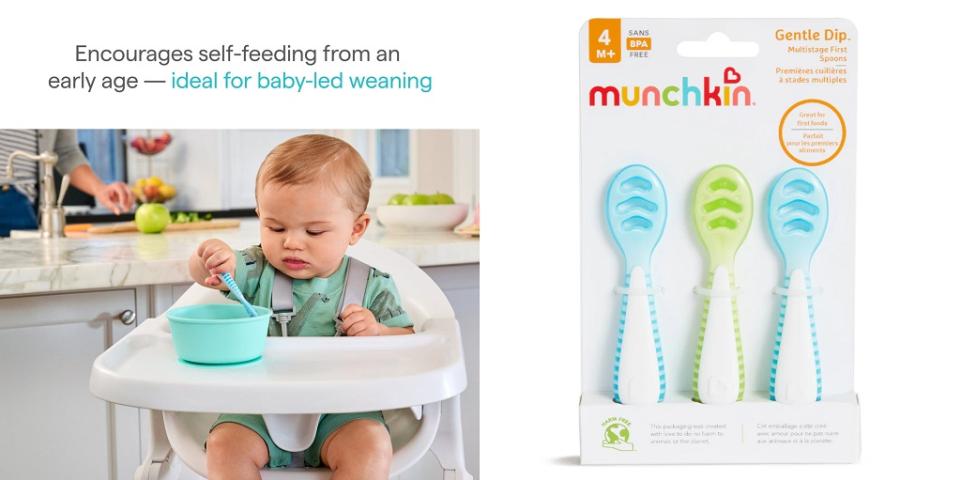
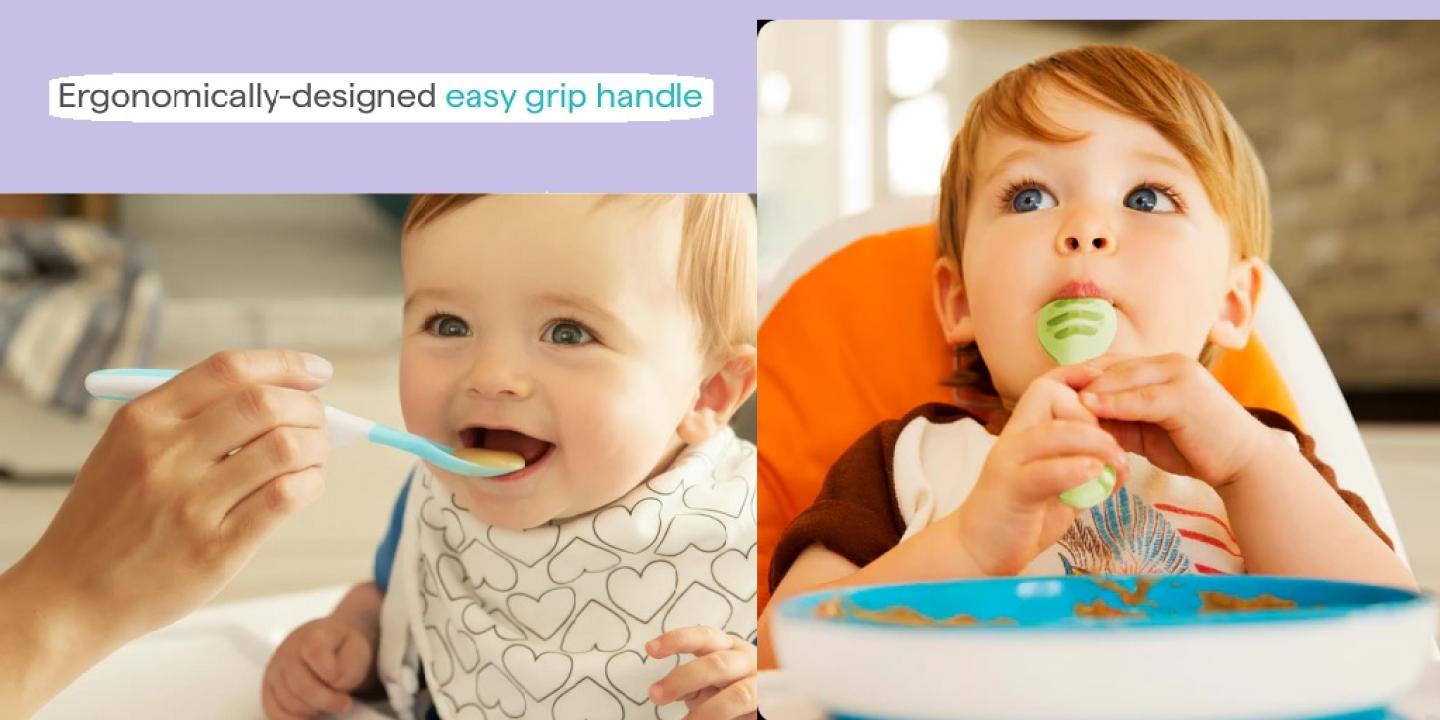
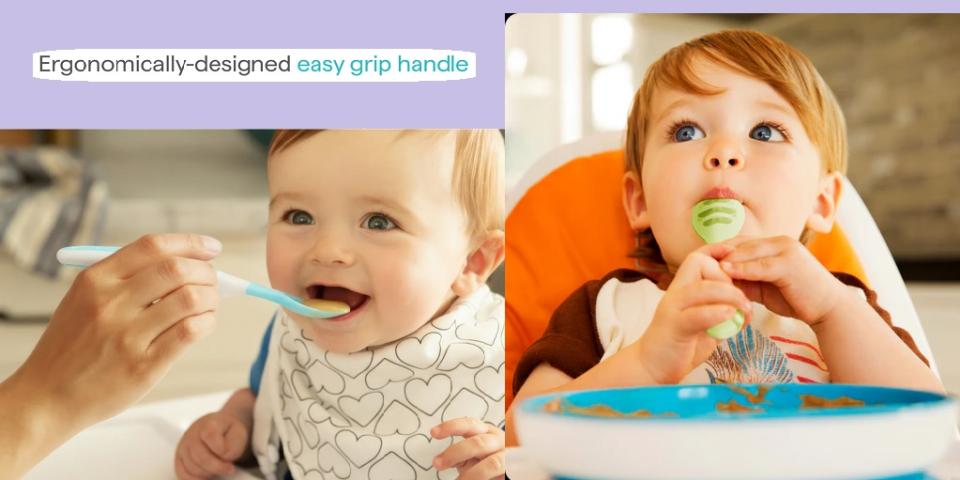
Self-feeding utensils support early coordination. Lightweight designs and easy-grip handles help babies hold and maneuver without getting frustrated too quickly. Midway through this stage, products like training spoons make a noticeable difference. Their shape and flexibility allow babies to practice scooping and bringing food to their mouth, even if it’s messy at first.
Toddler spoons also tend to evolve with this stage. They’re slightly more structured but still forgiving enough for small hands learning control. This progression supports independence without overwhelming them.
Sensory Comfort Is Not Just a Preference
Some babies don’t resist food. They resist the experience. That’s an important distinction when thinking about baby utensils. Temperature, texture, and pressure all play a role. Cold metal or rigid plastic can feel harsh, especially for babies who are teething or sensitive to new sensations.
That’s why silicone baby spoons and BPA-free baby utensils tend to work better. They stay neutral in temperature and feel softer against the gums, which lowers the chance of rejection.
In the middle of feeding routines, this sensory comfort becomes more obvious. Babies who once turned away may start opening their mouths more willingly when the utensil feels familiar and safe.
Baby Utensils and Baby Led Weaning Go Hand in Hand
For families exploring baby-led weaning, the choice of baby spoons and forks becomes even more relevant. This approach encourages babies to take an active role in feeding from the start.
Baby-led weaning utensils are typically designed for grasping, dipping, and early scooping. They allow babies to explore food textures while building coordination at their own pace.
Midway through this process, ergonomic baby cutlery becomes helpful. The shape supports natural hand positioning, making baby utensils easier for babies to control their movements without constant assistance.
This kind of setup doesn’t eliminate mess. It just makes the learning process smoother and more intuitive.
What Makes a Good Baby Utensil Worth Using
Not all infant utensils are created the same, and parents usually notice that quickly once feeding becomes a daily routine.
Look for:
- Soft, flexible materials like silicone
- Handles designed for small hands
- Lightweight construction for easier control
- BPA-free baby utensils for safety
Options like Gentle Scoop Silicone Training Spoons from Munchkin reflect this kind of thoughtful design. They’re built to support early feeding without overwhelming babies who are still figuring things out.
Buy BPA-Free Baby Spoons and Other Utensils Online
At the end of the day, baby feeding utensils are not about making feeding look perfect. They’re about making it easier to manage, especially during those unpredictable early months. When baby utensils feel better in a baby’s mouth and hands, they tend to cooperate more. That alone reduces stress during meals and creates a more positive routine over time.
Parents looking for something that supports both comfort and early independence often explore thoughtfully designed options like those available at Munchkin.