Most homeowners do not think about their air conditioning system until it stops working during the hottest week of the year. By that point, the repair bill is often larger than expected, and in many cases, the damage could have been prevented with basic maintenance and smarter repair decisions.
Many homeowners also end up paying for unnecessary services because they do not fully understand how HVAC systems work or what causes common AC problems. Learning a few practical repair and maintenance strategies can help reduce energy costs, extend system life, and avoid emergency breakdowns.
Homeowners looking for proven maintenance insights can also review these Air Conditioning Repair Service Tricks to better understand how preventative service lowers long term repair expenses.
Replace Air Filters Before They Create Bigger Problems
A clogged air filter is one of the most common reasons HVAC systems lose efficiency. Dirty filters restrict airflow, forcing the system to work harder to cool the home. That extra strain increases energy use and can eventually damage internal components like the blower motor or compressor.
Many homeowners wait too long to replace filters because the system still appears to function normally. The problem is that efficiency losses happen gradually, making them harder to notice until utility bills rise.
Most homes should replace filters every 1 to 3 months depending on:
- Indoor air quality
- Number of pets
- Dust levels
- System usage
- Allergy concerns
This is one of the lowest cost maintenance steps with the highest long term savings.
Do Not Ignore Weak Airflow
Weak airflow is often treated as a minor inconvenience, but it usually signals a developing issue inside the system. Delaying repairs can turn a small problem into a major expense.
Common causes include:
- Dirty evaporator coils
- Blocked ductwork
- Failing blower motors
- Refrigerant problems
- Clogged filters
Many homeowners assume low airflow means the AC unit is simply aging, but that is not always true. In many cases, restoring airflow early prevents compressor strain and reduces future repair costs.
Clean the Outdoor Condenser Unit Properly
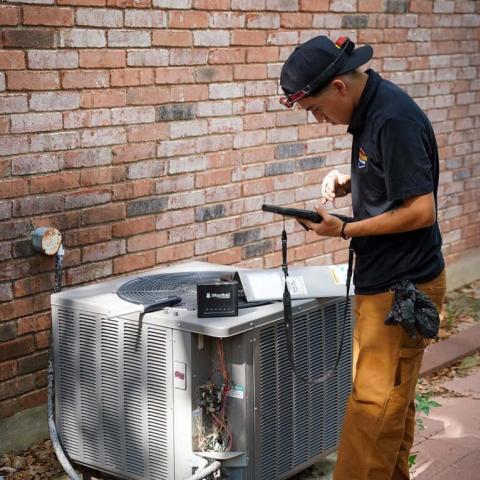
The outdoor condenser unit constantly collects dirt, leaves, grass, and debris. When airflow around the condenser becomes restricted, the system struggles to release heat effectively.
This creates several costly problems:
- Higher electricity usage
- Longer cooling cycles
- Increased wear on the compressor
- Reduced cooling performance
Homeowners can safely remove visible debris around the unit and gently rinse the condenser coils with water. However, aggressive pressure washing can bend the fins and reduce efficiency further.
Keeping at least two feet of clear space around the condenser improves performance significantly during peak summer months.
Stop Adjusting the Thermostat Constantly
Many people believe lowering the thermostat dramatically will cool the home faster. It does not. The system cools at the same rate regardless of how low the temperature is set.
Frequent thermostat changes force the system into unnecessary cycles, increasing wear and energy use.
A programmable or smart thermostat helps reduce waste by maintaining consistent temperatures throughout the day. Even modest adjustments while homeowners are away can lower monthly cooling costs.
Good thermostat habits often save more money than homeowners expect.
Repair Refrigerant Leaks Immediately
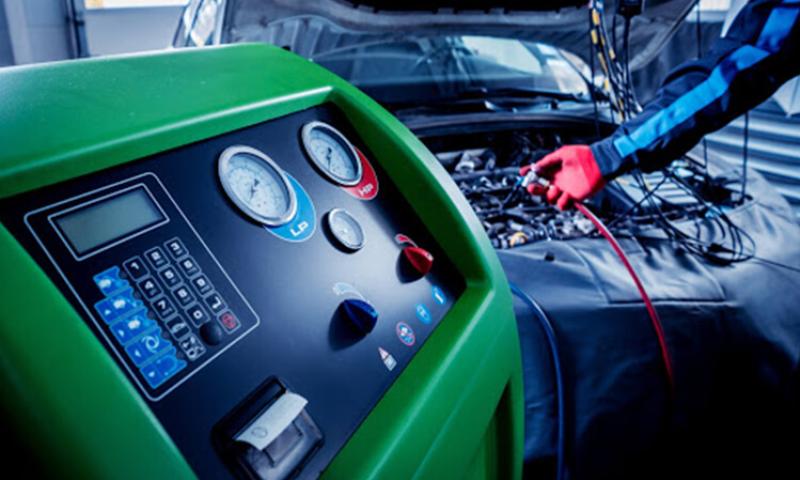
Low refrigerant is never normal. If refrigerant levels are low, there is usually a leak somewhere in the system.
Some contractors simply add more refrigerant without fixing the actual issue. That approach only creates temporary relief while the underlying leak continues to damage system performance.
Signs of refrigerant problems include:
- Warm air from vents
- Ice buildup on coils
- Hissing sounds
- Long cooling cycles
- Higher energy bills
Ignoring refrigerant leaks can eventually destroy the compressor, which is one of the most expensive AC repairs homeowners face.
Schedule Maintenance Before Peak Season
Emergency repairs are often more expensive during summer because HVAC companies are overloaded with service calls.
Preventative maintenance before peak heat arrives gives technicians time to identify problems early while service availability is better.
A proper maintenance visit should include:
- Electrical inspection
- Coil cleaning
- Refrigerant checks
- Drain line inspection
- Thermostat testing
- Airflow evaluation
Preventative service costs far less than emergency system replacement.
Seal Air Leaks Inside the Home
Many homeowners blame their HVAC system for high cooling bills when the real issue is poor insulation or air leakage.
Cool air escapes through:
- Windows
- Doors
- Attics
- Duct leaks
- Poor insulation gaps
If conditioned air keeps escaping, the AC system must run longer to maintain indoor temperatures.
Simple sealing improvements can reduce cooling costs noticeably without replacing the HVAC unit itself.
Know When Repairs Are No Longer Worth It
Some homeowners continue repairing failing systems long after replacement becomes the smarter financial choice.
An older HVAC system may repeatedly require:
- Compressor repairs
- Refrigerant recharges
- Electrical replacements
- Fan motor repairs
At some point, ongoing repair costs exceed the value of keeping the unit alive.
A common rule many HVAC professionals follow is this:
If the repair cost approaches 50 percent of the system's remaining value, replacement may be the better investment.
Older systems also operate far less efficiently than modern units, increasing long term utility costs.
Avoid Cheap Repair Services That Cut Corners
Low priced HVAC repair offers often look attractive upfront, but many budget services skip proper diagnostics or use temporary fixes.
This creates repeat breakdowns and larger repair costs later.
Homeowners should look for technicians who:
- Properly inspect the entire system
- Explain the root cause clearly
- Provide written estimates
- Verify airflow and refrigerant levels
- Check electrical components thoroughly
The cheapest repair is rarely the most affordable over time.
Pay Attention to Early Warning Signs
Most major AC failures start with small warning signs homeowners ignore for months.
Common early indicators include:
- Strange noises
- Rising energy bills
- Uneven cooling
- Moisture around the unit
- Frequent cycling
- Weak airflow
Catching problems early usually means lower repair costs and less system damage.
Waiting until the system completely fails almost always costs more.
Final Thoughts
Saving money on air conditioning repairs is less about finding quick fixes and more about preventing avoidable damage. Small maintenance habits, early repairs, and smarter service decisions make a major difference over time.
Homeowners who stay proactive with filter changes, airflow issues, condenser cleaning, and seasonal inspections usually spend far less on emergency HVAC repairs.
The biggest mistake most homeowners make is waiting too long to act. HVAC systems rarely fail without warning. The signs are usually there long before the expensive breakdown happens.