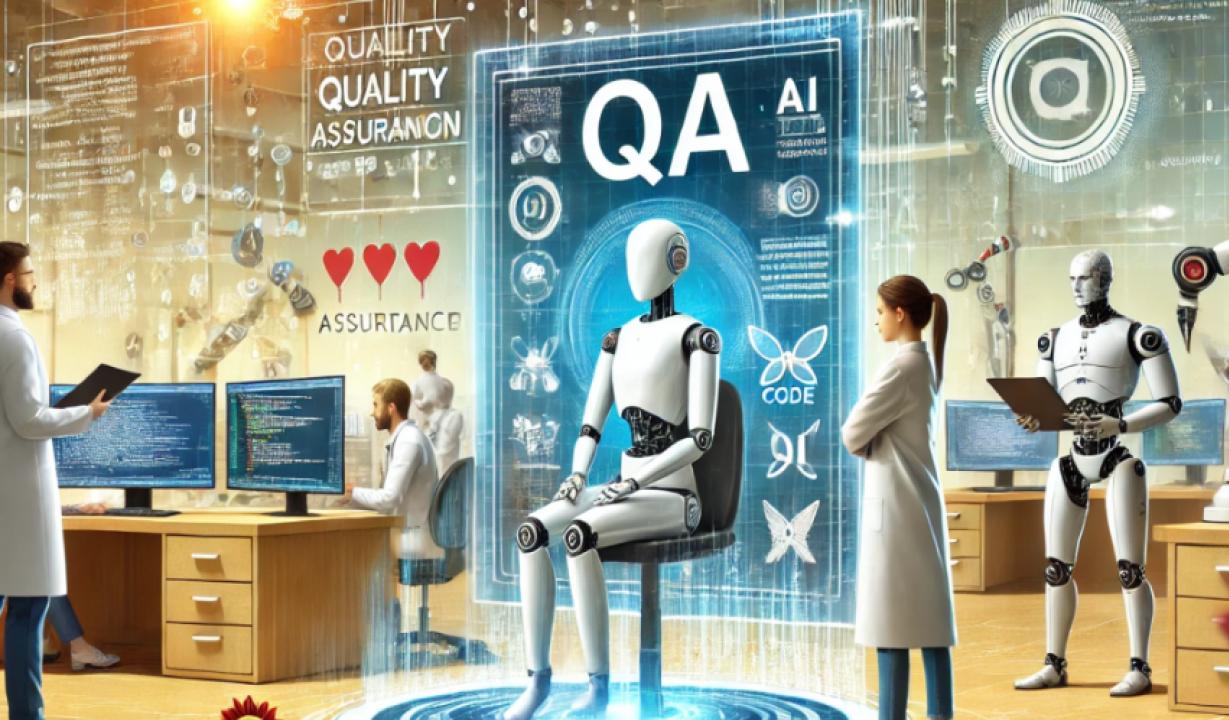
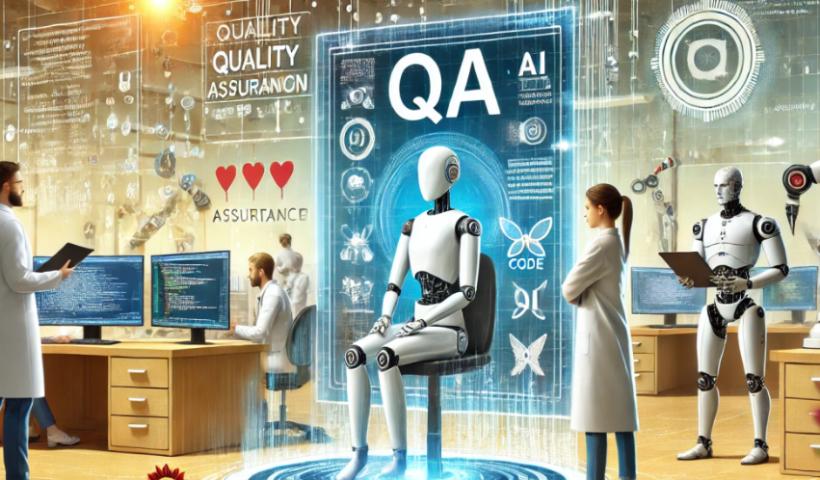
As software systems become more complex and release cycles get shorter, traditional quality assurance methods are struggling to keep up. Manual testing alone can no longer ensure speed, accuracy, and scalability in modern development pipelines. This is where AI quality assurance is becoming a game-changer.
By integrating artificial intelligence into testing processes, organizations are now able to automate test generation, detect defects earlier, predict system failures, and significantly improve overall software quality. AI is not replacing QA teams it is enhancing their capabilities and making testing more intelligent, faster, and more predictive.
What Is AI Quality Assurance?
AI quality assurance refers to the use of artificial intelligence technologies such as machine learning, natural language processing, and predictive analytics to improve and automate software testing and quality control processes.
Instead of relying only on predefined test cases, AI QA systems can:
- Learn from historical testing data
- Identify patterns in software failures
- Automatically generate test cases
- Detect anomalies in application behavior
- Predict potential defects before production
This makes QA more proactive rather than reactive.
How AI Is Changing Quality Assurance Processes
1. Automated Test Case Generation
AI systems can analyze application behavior and automatically generate relevant test cases, reducing manual effort and improving test coverage.
This helps QA teams focus more on strategic testing rather than repetitive scripting.
2. Smarter Defect Detection
Traditional testing often misses edge cases. AI quality assurance tools can identify subtle patterns and anomalies that may indicate potential bugs or system failures.
This leads to earlier detection and faster resolution.
3. Predictive Quality Analysis
AI models can analyze historical bug data and predict where failures are most likely to occur in future releases.
This helps development teams prioritize high-risk areas during testing.
4. Faster Regression Testing
AI-driven automation significantly speeds up regression testing by selecting only the most relevant test cases based on code changes.
This reduces testing time while maintaining high accuracy.
5. Visual Testing and UI Validation
AI-powered visual testing tools can detect UI inconsistencies such as layout shifts, broken elements, or design mismatches across devices and browsers.
Key Benefits of AI Quality Assurance
Organizations adopting AI QA solutions experience several advantages:
- Faster testing cycles and releases
- Improved test accuracy and coverage
- Reduced dependency on manual testing
- Early detection of critical bugs
- Lower QA operational costs
- Better product stability and user experience
Use Cases of AI in Quality Assurance
AI quality assurance is being widely used across industries and software types:
Web and Mobile Application Testing
AI automates functional, regression, and performance testing for apps across platforms.
API Testing
AI tools validate API responses, detect anomalies, and ensure system reliability.
Enterprise Software Testing
Large-scale systems use AI QA for continuous testing in CI/CD pipelines.
E-commerce Platforms
AI ensures checkout flows, search systems, and payment processes work seamlessly.
Challenges in AI Quality Assurance Adoption
While AI QA brings strong advantages, organizations also face challenges such as:
- Integration with legacy testing systems
- High initial setup complexity
- Requirement of quality training data
- Trust and explainability of AI decisions
- Maintenance of AI models over time
Successful adoption requires a balanced approach combining AI automation with human QA expertise.
The Future of AI Quality Assurance
The future of QA is moving toward fully autonomous testing systems where AI not only detects bugs but also fixes and optimizes test cases in real time.
Emerging trends include:
- Self-healing test automation
- AI-driven CI/CD pipelines
- Continuous quality intelligence systems
- Autonomous testing agents
As software delivery becomes faster, AI QA will become a core part of DevOps and product engineering strategies.
Conclusion
AI quality assurance is redefining how software quality is maintained in modern development environments. By combining automation, predictive analytics, and intelligent testing systems, AI enables faster releases, higher accuracy, and more reliable applications.
Organizations that adopt AI-powered QA practices today will be better positioned to deliver high-quality digital products at scale in an increasingly competitive market.