Hair loss can affect confidence, appearance, and even daily social interactions. Many people who experience thinning hair or bald patches begin searching for a long-term and natural-looking solution. One of the most trusted surgical methods available today is follicular unit transplantation. This procedure has helped thousands of people restore fuller hair with results that look natural and long lasting.
If you are considering a hair restoration treatment, understanding the process can help reduce anxiety and make you feel more prepared. From consultation to recovery, every step plays an important role in achieving successful results.
Understanding the Procedure
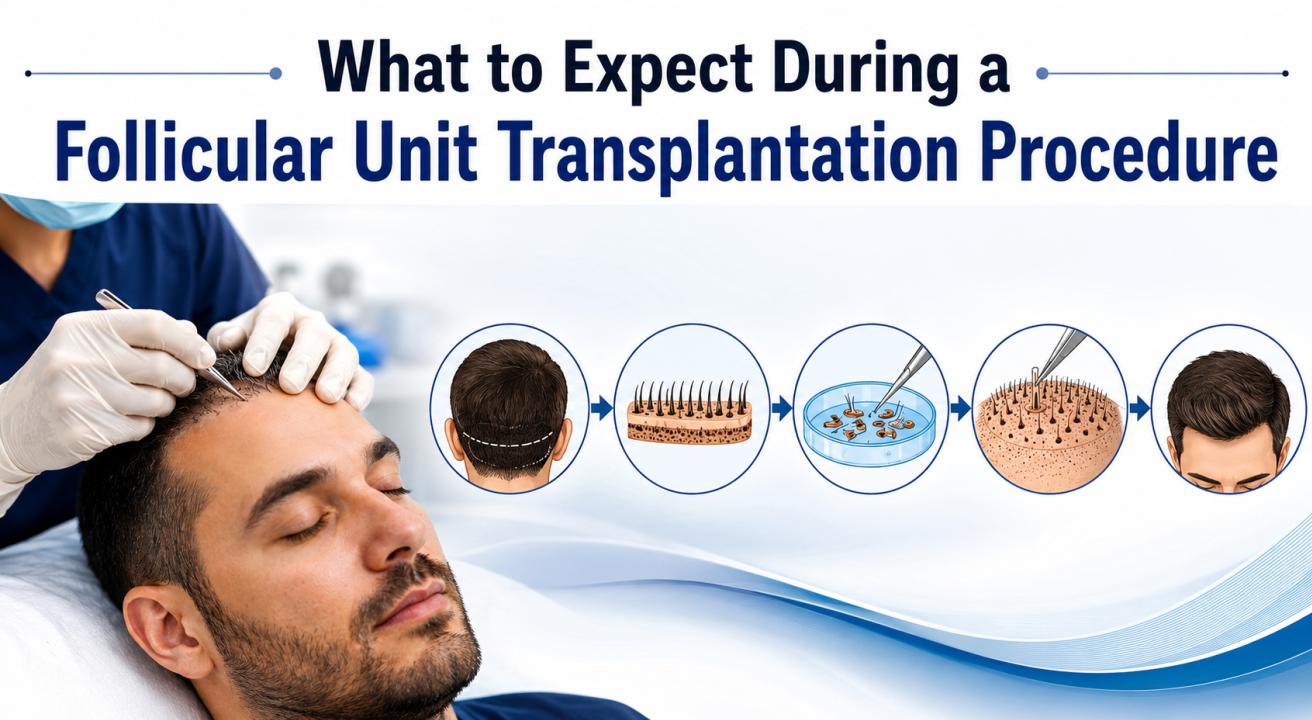
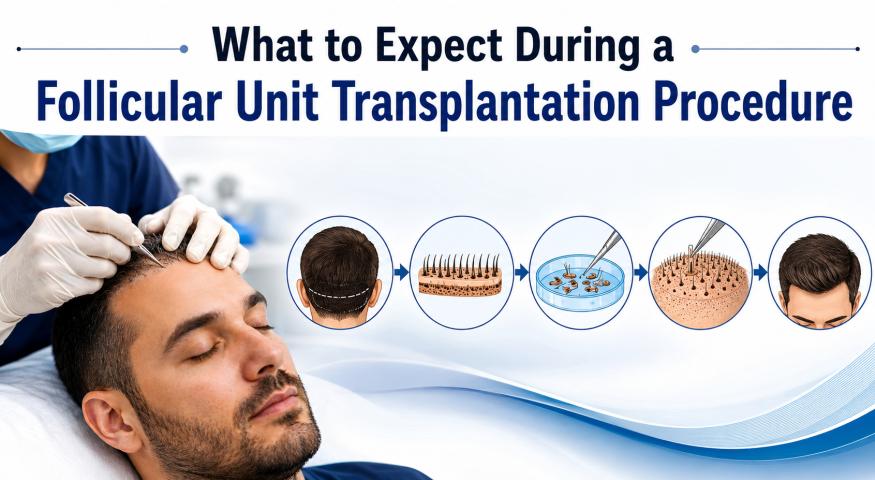
Follicular unit transplantation is a hair restoration technique where a thin strip of scalp containing healthy hair follicles is removed from the donor area, usually from the back of the head. The follicles are then carefully separated into small grafts and transplanted into areas affected by hair loss.
The reason many patients choose this method is because it can provide high graft survival rates and natural hair growth patterns. Skilled surgeons place each graft carefully to match the direction and angle of existing hair, creating a more realistic appearance.
Before the treatment begins, patients usually attend a consultation to discuss their hair goals, scalp condition, and medical history. During this appointment, the surgeon also examines the donor area to determine whether the patient is suitable for the procedure.
Preparing Before Surgery
Preparation is an important part of the treatment journey. Patients are often advised to stop smoking and avoid alcohol for several days before surgery, as these habits may affect healing and blood circulation.
Certain medications may also need to be paused temporarily, depending on medical advice. Most clinics recommend washing the hair thoroughly before arriving for the procedure. Comfortable clothing is usually suggested because patients may spend several hours at the clinic.
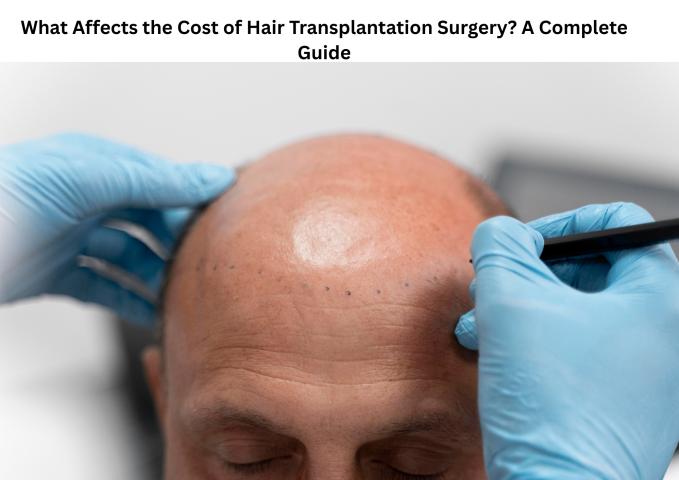
The surgeon may also draw the new hairline before surgery begins. This step allows the patient and specialist to agree on the expected appearance and design.
What Happens on the Day of the Procedure
On the day of surgery, the treatment area is cleaned carefully, and local anaesthesia is applied to numb both the donor and recipient areas. Patients remain awake during the procedure, but discomfort is usually minimal.
The first stage involves removing a strip of scalp from the donor area. After the strip is removed, the area is stitched carefully to allow proper healing. The surrounding hair generally covers the stitches, making them less noticeable during recovery.
The removed strip is then divided into individual follicular units under a microscope. This detailed process requires precision because each graft must remain healthy for successful transplantation.
Depending on the number of grafts required, the procedure may take several hours to complete. Some larger sessions can last most of the day.
During the Recovery Period
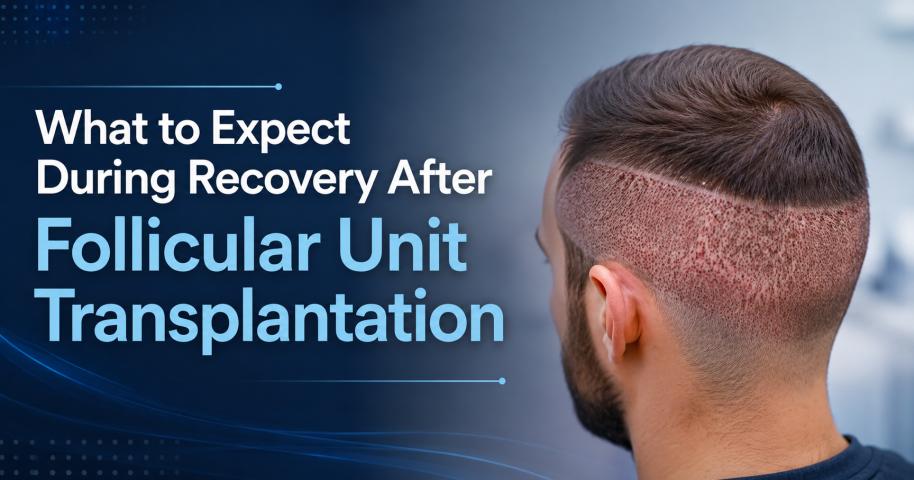
Recovery is usually manageable for most patients. Mild swelling, redness, and tenderness are common during the first few days after surgery. Clinics often provide detailed aftercare instructions to help protect the newly transplanted grafts.
Patients are generally advised to avoid heavy exercise, excessive sweating, and direct sunlight for a short period. Sleeping with the head elevated may help reduce swelling during the first few nights.
Small scabs can form around the transplanted follicles, but these normally fall away naturally within one to two weeks. It is important not to scratch or pick at the scalp during healing.
Most people return to work within several days, depending on the nature of their job and personal comfort level.
When Hair Growth Begins
One important thing patients should understand is that transplanted hair does not grow immediately. In many cases, the newly transplanted hairs shed within the first few weeks. This is a normal part of the process and should not cause concern.
New growth usually begins after three to four months. Over time, the hair becomes thicker and more noticeable. Full results often appear between 9 to 12 months after surgery.
Because the transplanted follicles are taken from areas resistant to hair loss, the results can be long lasting with proper care.
Benefits of Choosing This Technique
There are several reasons why patients continue to choose follicular unit transplantation for hair restoration:
- Natural-looking hair growth
- High graft survival rates
- Effective coverage for larger bald areas
- Long-lasting results
- Permanent hair follicles from the donor area
Many patients also appreciate that the technique can create density and improve the appearance of the hairline in a realistic way.
Important Things to Consider
Although the procedure offers excellent results, it is important to have realistic expectations. Hair density may depend on donor hair quality, scalp condition, and the extent of hair loss.
Choosing an experienced and qualified surgeon is one of the most important decisions in the process. A skilled specialist can design a natural hairline and place grafts properly for balanced results.
Patients should also follow all aftercare instructions carefully. Good post-procedure care helps improve healing and supports healthy hair growth.
Achieve Natural Hair Growth with FUT Hair Transplant
Hair restoration treatments have become more advanced and reliable over the years, giving people effective solutions for thinning hair and baldness. Understanding what happens before, during, and after surgery can make the experience less stressful and more comfortable.
Whether someone is dealing with a receding hairline or noticeable hair thinning, Follicular unit transplantation remains one of the most trusted options for achieving natural and lasting hair restoration results. With proper planning, expert care, and patience during recovery, patients can enjoy fuller-looking hair and improved confidence over time.