
Quick Overview
Website design and website development are two separate fields that are often mistaken for one another.
Design emphasizes visual layout, user experience, and aesthetics. Development, on the other hand, focuses on functionality, logic, and performance.
Custom website development provides more scalability, flexibility, and technical control. Neither option is always "better."
The best choice depends on your business goals, budget, and long-term needs.
Knowing the difference allows you to make better decisions about hiring, budgeting, and strategy.
You've decided your business needs a strong online presence. You search online and find many terms like web designer, developer, custom build, template-based design, front-end, and back-end. Eventually, you ask: Is custom website development better than website design, or am I just paying more? It's a fair question that deserves an honest answer. The line between design and development has blurred, but the difference still matters both technically and strategically. Understanding it can save you money and time.
Website Development vs Website Designing: What's Actually Different?
The terms are often used interchangeably in casual conversation, but they describe very different skills and outcomes.
Website design involves determining a website's appearance and feel, focusing on visual hierarchy, typography, color, whitespace, and UI principles to create an appealing, usable layout. Designers use tools like Figma, Adobe XD, or Sketch to produce mockups or prototypes, prioritizing the user's emotional and visual experience. While design acts as a blueprint, development constructs the website by turning this into working code—HTML, CSS, and JavaScript on the front end, and server-side languages like Python, PHP, Node.js, or Ruby on the back end to handle databases, APIs, authentication, and business logic. This results in a site that looks good and functions properly under real-world conditions.
The concept of website design vs development is important here because conflating the two leads to poor project scoping. If you hire only a designer, you get beautiful static files that don't go live. If you hire only a developer without design input, you risk building something technically sound but visually incoherent and difficult to use. The strongest outcomes almost always require both.
What Is Custom Website Development, Specifically?
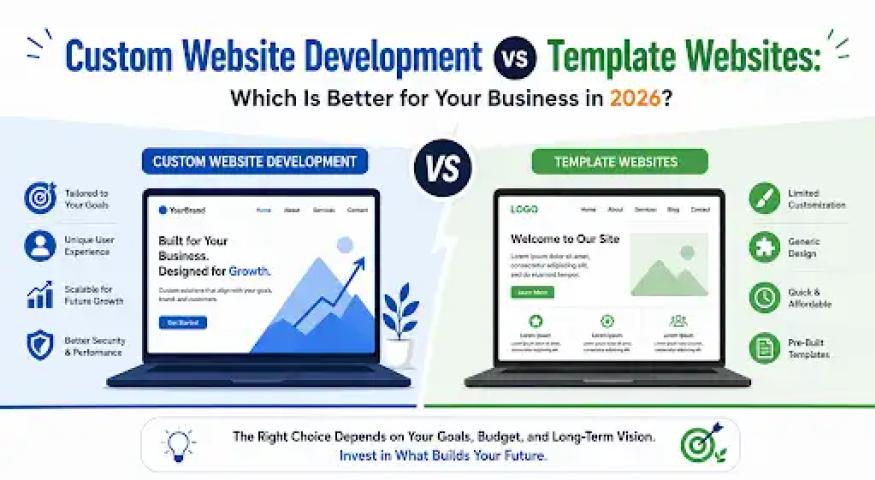
Custom website development means creating a website from scratch without using pre-made themes, templates, or drag-and-drop website builders like WordPress with Elementor, Wix, or Squarespace.
In a custom build, a developer or development team writes the code specifically for your project's needs. This includes the architecture, database structure, admin panel, integrations, and UI components, all made to meet your requirements. Nothing is taken from a generic template that many other sites already use.
This is where website development differs greatly from template-based methods. Template platforms are quick and relatively cheap, but they come with built-in limitations in their code. You have to work within a system that wasn't created for your particular situation. As your needs grow, those limitations can become more frustrating.
Custom development, on the other hand, grows with you. A custom-built e-commerce platform can manage intricate inventory systems, specific tax rules, and third-party ERP integrations that a Shopify theme just can't handle. A custom SaaS application can provide user roles, dynamic dashboards, and API endpoints with complete documentation, all of which require original code to be written.
Why the "Better" Question Is the Wrong Frame
The debate over website development and website design is often seen as a competition. This view can mislead people into making all-or-nothing choices when they actually need both, in the right balance, for the right goal.
A better way to think about it is that design and development are stages of the same process, not alternatives. Every website on the internet has required both design choices, even if informal, and development work, even if minor. The real question isn’t which one is better, but which one needs more focus based on your objectives.
For a local bakery or freelance consultant, a well-designed site using a template with clean visuals and good user experience may be enough. In this case, the design phase—settling the layout, branding, and content hierarchy—should get most of the attention. The development effort will be minimal since platforms like Webflow or Squarespace take care of the technical setup.
For a fintech startup, a healthcare portal, a logistics platform, or any business with complex processes, user-specific data, or regulatory requirements, custom website development is vital. The design is still very important, but the development framework must be built to meet specific needs, as no ready-made solution can safely fulfill those requirements.
Technical Considerations Worth Knowing
When evaluating custom development, a few technical factors consistently matter:
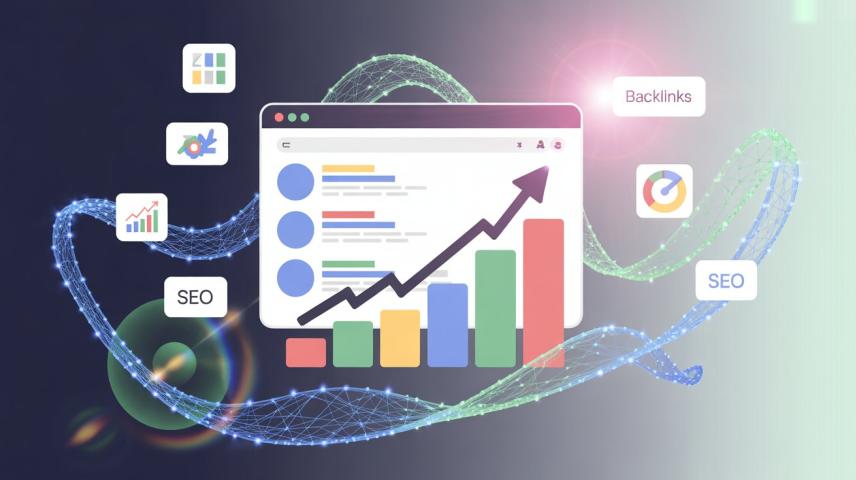
Performance and Core Web Vitals: Custom-built sites, when designed well, outperform template sites on Google's Core Web Vitals. These metrics include Largest Contentful Paint (LCP), Cumulative Layout Shift (CLS), and Interaction to Next Paint (INP). Template platforms often load a lot of JavaScript, which slows page load times and directly impacts SEO rankings.
Security: Custom development lets your team follow security-by-design principles. This includes proper input sanitization, authentication flows like OAuth and JWT, rate limiting, and data encryption from the start. Template-based sites are common targets for automated attacks since their vulnerabilities are publicly available and widely exploited.
Ownership and Portability: With a custom build, you own the entire codebase. In contrast, with a template platform, you are a tenant. If that platform changes its pricing, removes a feature, or shuts down, your site's future becomes uncertain. Custom code allows you to host anywhere and move freely.
Integration Depth: Custom development supports direct API integrations with CRMs, ERPs, payment gateways, logistics systems, or proprietary databases. You have full control over data mapping and error handling. Template plugins usually provide basic integrations that fail under production pressures or when data schemas do not match perfectly.
Conclusion
Choosing between custom website development and design isn’t really a choice; they are complementary, both aiming for a website that performs well, serves users, and supports business goals. The real question is how much of each you need. For standard branding, content pages, and basic contact features, using a template platform is cost-effective. For complex needs like unique user flows, proprietary data, performance at scale, or compliance, custom development is essential. The best approach is to clearly define your website's functions before hiring or budgeting, guiding all subsequent decisions.
Frequently Asked Questions
1. What is the main difference between website design and website development?
Website design emphasizes visual and user experience aspects like layout, color, typography, and interface, using tools like Figma. Development involves building the technical structure with programming languages like JavaScript, Python, or PHP, using code editors, databases, and servers.
2. Is custom website development more expensive than using a website builder?
Yes, usually. Custom development takes more time, needs specialized skills, and ongoing maintenance compared to template platforms. But long-term, custom builds often cost less for businesses with complex needs, as templates can become limiting and costly to change as they grow.
3. Do I need both a web designer and a web developer for my project?
For most projects, a designer makes the site look good and user-friendly, while a developer ensures it functions well, performs, and connects with business systems. Some professionals can do both, but larger projects benefit from specialists in each role.
4. Which is better for SEO: a custom website or a template-based website?
Custom-built websites generally have SEO advantages because developers can optimize speed, structured data, crawlability, and Core Web Vitals from the start, avoiding extra code from templates. However, a well-configured template site can still rank well if content, on-page SEO, and technicals are managed carefully.
5. How long does custom website development take compared to using a website builder?
A template-based website can go live in days to weeks, while custom development takes 6 weeks to several months, depending on complexity. Features like dashboards, authentication, API integrations, and e-commerce extend the timeline, reflecting real engineering work that improves performance and scalability.