The healthcare sector in Ireland continues to embrace technological innovation to improve patient care, enhance clinical efficiency, and support more accurate diagnoses. As healthcare providers face growing patient demands and increasingly complex medical challenges, diagnostic technology has become a key driver of modern healthcare delivery.
In 2026, advancements in diagnostic equipment and digital healthcare solutions are transforming how hospitals, GP clinics, nursing homes, and community healthcare facilities assess and monitor patients. From connected medical devices to point-of-care testing and artificial intelligence-supported diagnostics, these innovations are helping healthcare professionals make faster and more informed clinical decisions.
Understanding the latest diagnostic technology trends can help healthcare providers prepare for the future while continuing to deliver high-quality patient care across Ireland.
The Growing Demand for Digital Diagnostics
One of the most significant trends shaping Irish healthcare is the continued adoption of digital diagnostic tools. Traditional manual processes are increasingly being replaced by digital systems that provide real-time data, automated record-keeping, and improved accuracy.
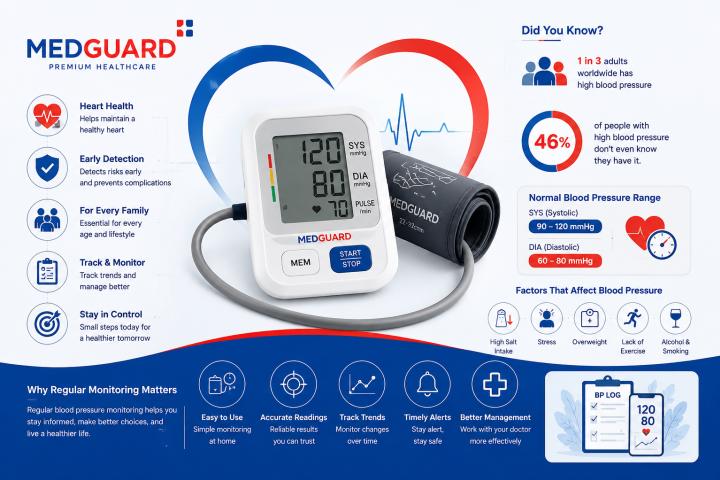
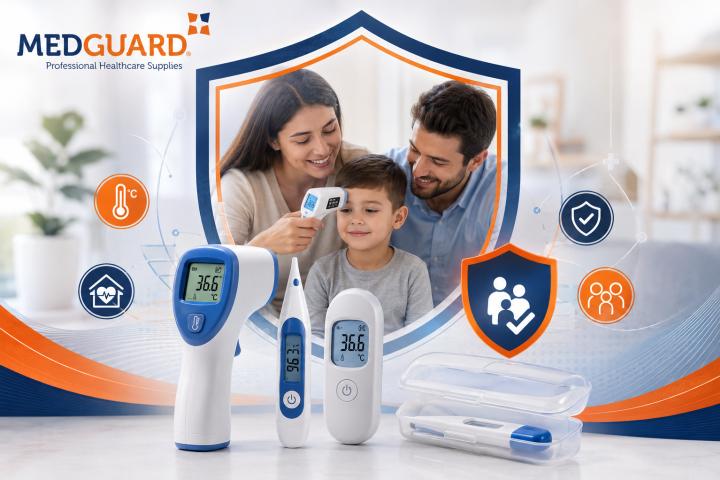
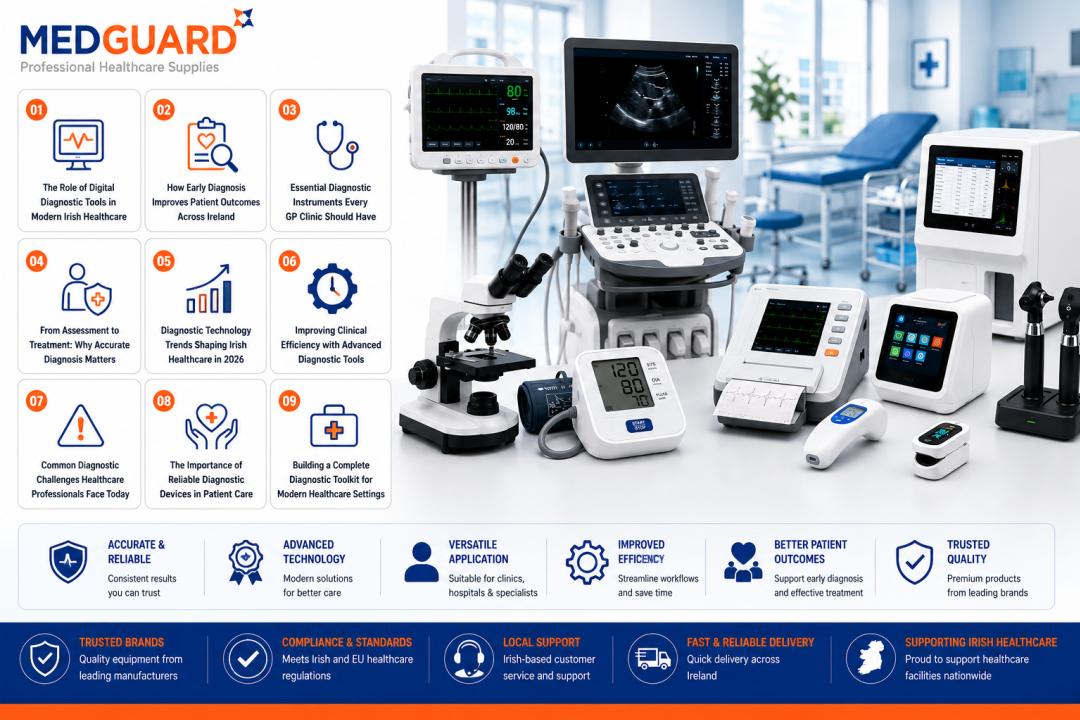
Digital blood pressure monitors, electronic stethoscopes, ECG systems, pulse oximeters, and digital thermometers are now common in many healthcare environments. These tools provide fast and reliable results while helping healthcare professionals streamline patient assessments.
As healthcare organisations continue their digital transformation efforts, the demand for connected and data-driven diagnostic solutions is expected to grow even further.
Expansion of Point-of-Care Testing
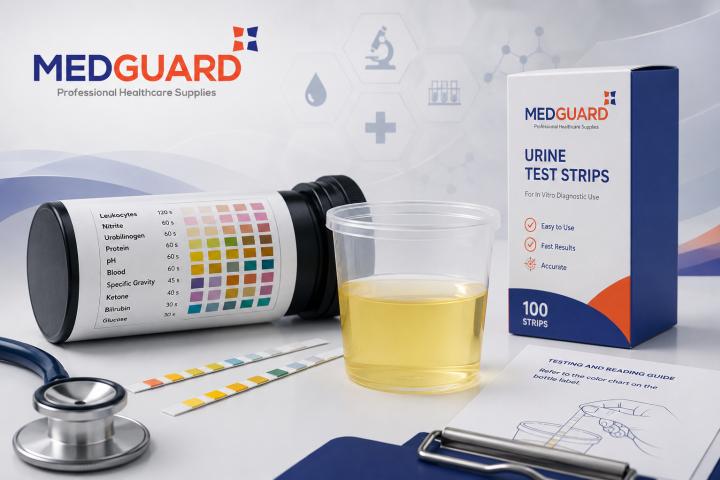
Point-of-care testing (POCT) has become an increasingly valuable component of modern healthcare. These diagnostic solutions allow healthcare professionals to perform tests and receive results directly at the point of care, rather than waiting for laboratory analysis.
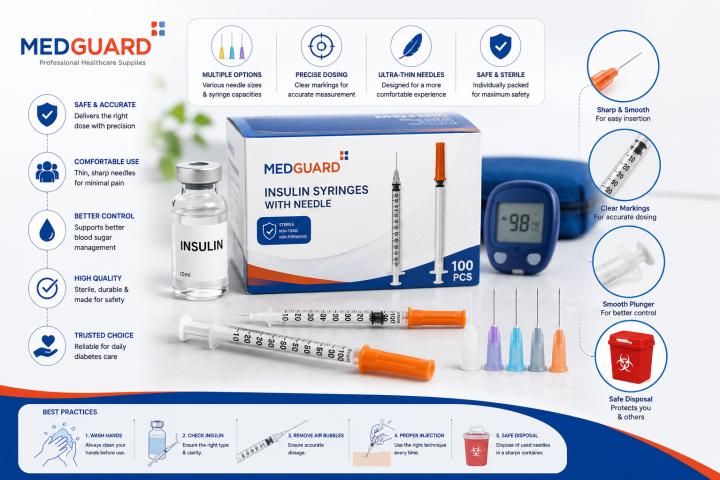
In 2026, point-of-care testing continues to improve efficiency across Irish healthcare settings. Common applications include glucose testing, infection screening, cholesterol monitoring, and other rapid diagnostic assessments.
The ability to obtain immediate results enables faster treatment decisions, improves patient convenience, and helps reduce delays in care delivery.
Artificial Intelligence Supporting Diagnostics
Artificial intelligence (AI) is playing a growing role in healthcare diagnostics worldwide, and Ireland is no exception. AI-powered systems can assist healthcare professionals by analysing large volumes of clinical data and identifying patterns that may indicate underlying health conditions.
While AI does not replace clinical expertise, it can enhance diagnostic accuracy by providing additional insights during the assessment process. Applications include medical imaging analysis, risk prediction, decision support systems, and data interpretation.
As AI technologies continue to evolve, healthcare providers are exploring new ways to integrate these tools into everyday clinical practice.
Remote Patient Monitoring and Connected Care
The demand for flexible healthcare delivery models continues to increase, particularly within community healthcare and chronic disease management programmes. Remote patient monitoring technologies are helping healthcare professionals track patient health without requiring frequent in-person visits.
Connected devices can monitor vital signs such as blood pressure, heart rate, oxygen saturation, and temperature while transmitting data securely to healthcare providers. This allows clinicians to identify changes in patient health early and intervene when necessary.
Remote monitoring supports proactive care, improves patient engagement, and helps reduce pressure on healthcare facilities.
Portable Diagnostic Equipment
Healthcare providers increasingly require diagnostic solutions that offer mobility and flexibility. Portable diagnostic equipment is becoming more common across hospitals, GP clinics, ambulatory care settings, and community healthcare services.
Portable ECG machines, handheld ultrasound devices, digital otoscopes, and compact patient monitoring systems allow healthcare professionals to perform assessments wherever care is needed.
These technologies support more accessible healthcare services and enable faster clinical evaluations across a variety of healthcare environments.
Integration with Electronic Health Records
Another major trend in 2026 is the growing integration of diagnostic devices with electronic health record (EHR) systems. Modern diagnostic equipment can automatically transfer patient data into digital records, reducing manual data entry and improving information accessibility.
This integration helps healthcare professionals access comprehensive patient information quickly, supporting better continuity of care and more informed clinical decisions.
By streamlining documentation processes, healthcare facilities can improve operational efficiency while reducing the risk of transcription errors.
Focus on Preventive Healthcare
Preventive healthcare continues to be a priority across Ireland, and diagnostic technology plays a crucial role in supporting this approach. Advanced screening tools, monitoring systems, and early detection technologies help healthcare providers identify potential health concerns before they develop into serious conditions.
Routine diagnostic assessments can uncover risk factors associated with cardiovascular disease, diabetes, respiratory conditions, and other chronic illnesses. Early intervention often leads to better treatment outcomes and lower long-term healthcare costs.
As healthcare providers place greater emphasis on prevention, demand for advanced diagnostic technologies is expected to continue rising.
The Importance of Reliable Diagnostic Equipment
While innovation drives progress, reliability remains essential. Healthcare professionals require diagnostic equipment that delivers accurate, consistent, and dependable results every day.
Healthcare facilities should evaluate diagnostic technologies based on factors such as accuracy, ease of use, durability, regulatory compliance, and integration capabilities. Choosing high-quality equipment helps ensure positive clinical outcomes and long-term operational value.
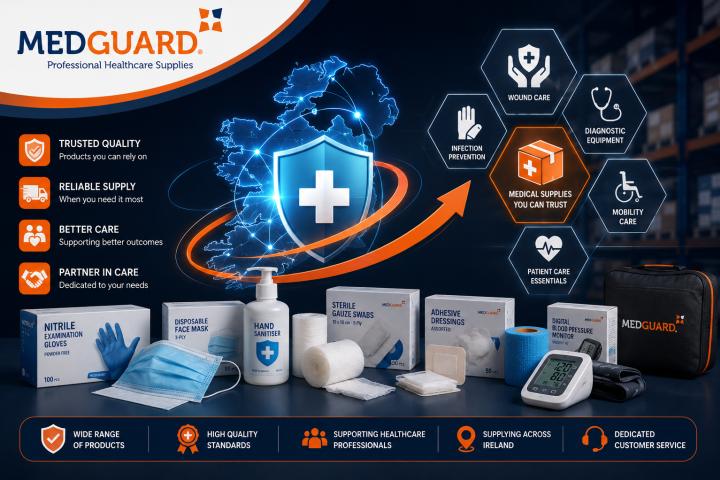
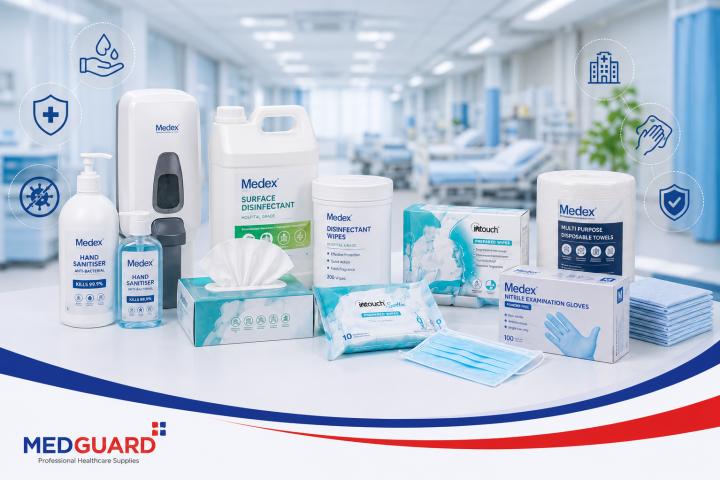
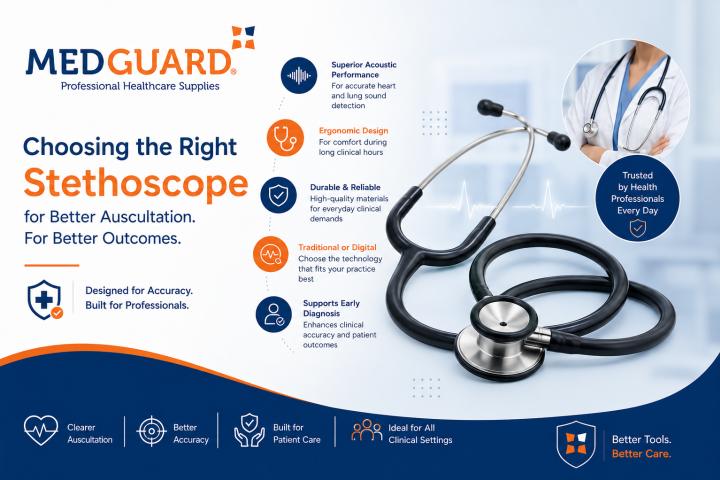
Medguard Healthcare supports healthcare professionals across Ireland by supplying a broad range of diagnostic equipment and medical solutions. From routine examination tools to advanced diagnostic technologies, Medguard Healthcare helps healthcare facilities access reliable products that support accurate assessments and effective patient care.
Preparing for the Future of Healthcare
The future of Irish healthcare will continue to be shaped by technological innovation. Advances in digital diagnostics, artificial intelligence, remote monitoring, and connected healthcare systems are creating new opportunities to improve patient outcomes and healthcare efficiency.
Healthcare providers that invest in modern diagnostic technologies today will be better positioned to meet future challenges while delivering high standards of care.
Conclusion
Diagnostic technology is transforming healthcare across Ireland in 2026. Digital diagnostics, point-of-care testing, AI-assisted decision-making, remote monitoring, portable devices, and integrated healthcare systems are helping clinicians deliver faster, more accurate, and more efficient patient care.
As healthcare continues to evolve, access to reliable diagnostic tools will remain a key factor in achieving positive patient outcomes. By partnering with trusted suppliers such as Medguard Healthcare, healthcare facilities can equip their teams with the technologies needed to support modern, patient-centred care now and into the future.
Original Source : https://huffdigest.com/improving-examination-clarity-with-the-right-diagnostic-tools-in-ireland/