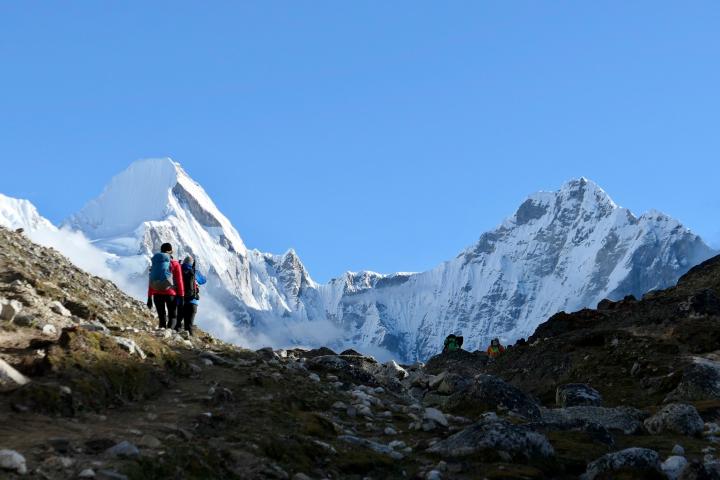
The question “Where is Mount Everest located?” sparks curiosity in travelers across the world. Known as the highest peak on Earth, Mount Everest attracts adventurers, trekkers, and dreamers who want to witness its beauty up close. With the support of Best Trek Adventure, many visitors explore the Everest region safely through well-planned journeys and expert guidance across the Himalayas.
The Exact Location of Mount Everest
Mount Everest is located in the Himalayan mountain range, on the border between Nepal and China (Tibet). The southern side lies in Nepal within Sagarmatha National Park, while the northern side lies in Tibet, where it is known as Chomolungma.
This massive peak stands as part of a long mountain system formed millions of years ago when tectonic plates collided. The Himalayas stretch across several countries in Asia and contain some of the tallest mountains in the world, with Mount Everest standing as the highest of them all.
Mount Everest Trek Statistics
The Everest Base Camp Trek is the most popular route to experience the region near Mount Everest.
The average trek duration is 12 to 14 days.
The total trekking distance is approximately 130 kilometers (about 80 miles) round trip.
The maximum elevation reached is 5,545 meters at Kala Patthar.
These figures show that the journey is challenging but achievable with proper preparation, slow acclimatization, and expert trekking support.
Why Mount Everest Is So Famous
Mount Everest is famous because it stands at 8,848.86 meters above sea level, making it the tallest mountain in the world. Its extreme height, natural beauty, and challenging environment make it one of the most iconic landmarks on Earth.
The mountain also holds deep cultural and spiritual value. In Nepal, it is known as Sagarmatha, meaning “Forehead of the Sky,” while in Tibet it is called Chomolungma, meaning “Goddess Mother of the World.”
Life Around Mount Everest
The Everest region is home to unique villages, strong mountain communities, and ancient traditions. Namche Bazaar is considered the main gateway to Everest and serves as a key stop for trekkers.
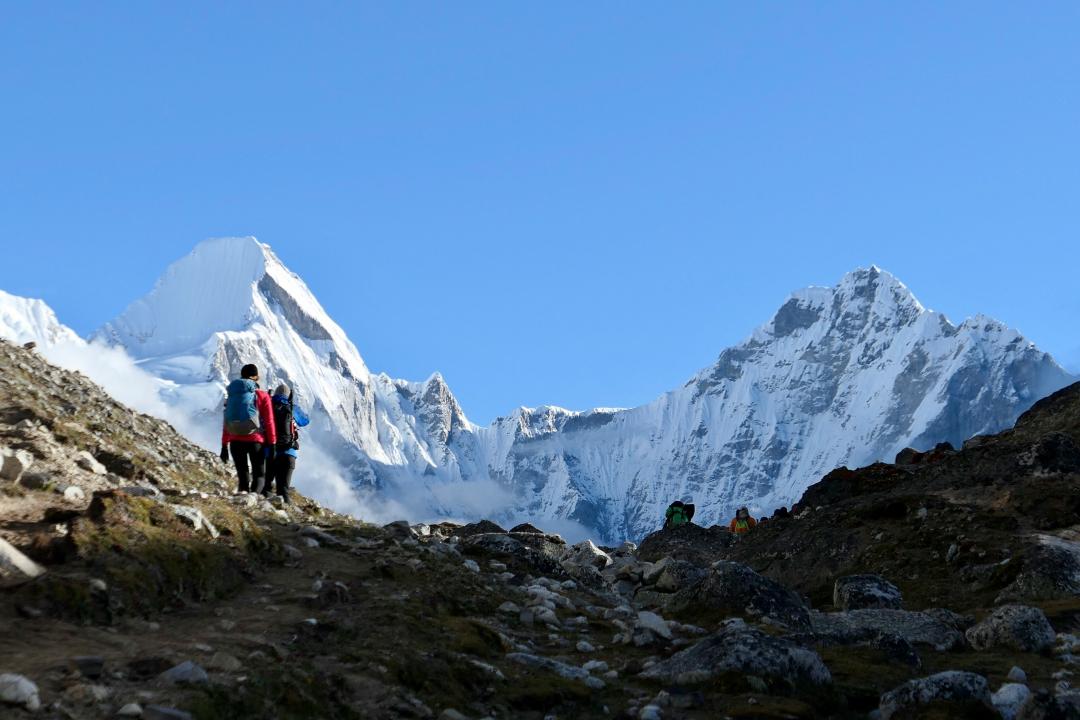
As altitude increases, the environment changes dramatically. Dense forests turn into rocky terrain and icy landscapes. Despite harsh conditions, life continues through yaks, mountain settlements, monasteries, and resilient local communities.
Sagarmatha National Park protects this region and preserves rare wildlife such as snow leopards, Himalayan tahrs, and colorful Himalayan birds.
Journey Toward Mount Everest
Reaching the Everest region typically begins with a flight to Lukla, one of the most dramatic airports in the world. From there, the trekking route passes through suspension bridges, river valleys, forests, and traditional Sherpa villages.
The journey requires careful pacing due to high altitude conditions. Proper acclimatization is essential for safety and comfort during the trek.
Best Trek Adventure plays an important role in organizing this experience. Services include experienced guides, porter support, permit arrangements, transportation management, accommodation booking, and full trekking assistance throughout the journey.
The Experience of Seeing Mount Everest
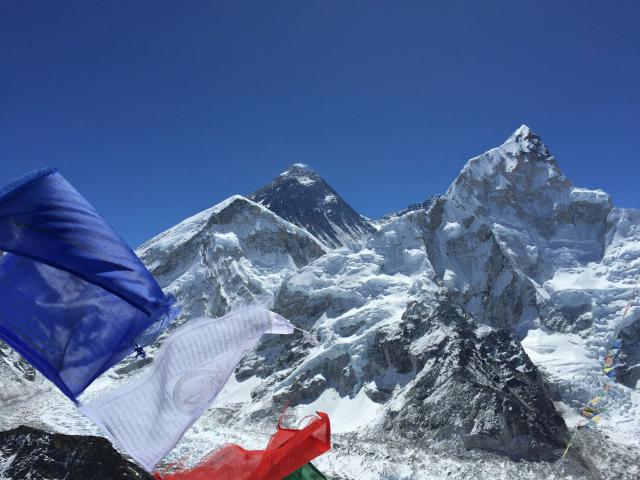
Mount Everest appears gradually during the trek, often hidden behind surrounding peaks before revealing its full scale at higher viewpoints like Kala Patthar. The sight of the mountain rising above the Himalayas creates a powerful and unforgettable impression.
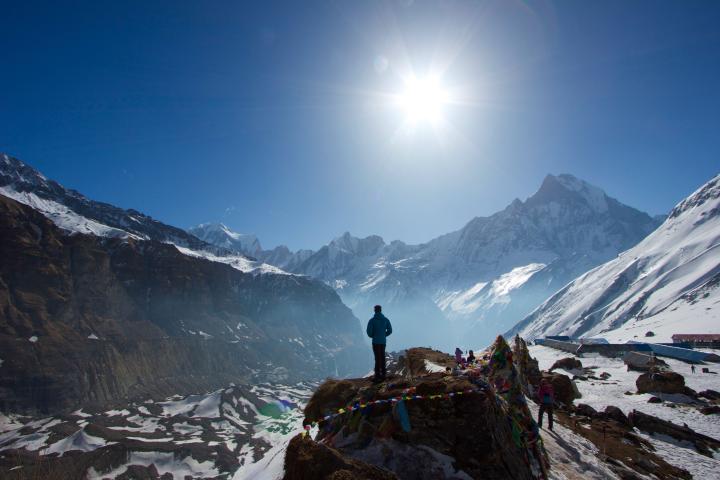
The environment becomes quieter and colder at higher altitudes. Prayer flags flutter in the wind, and snow-covered peaks dominate the horizon, creating a deeply peaceful atmosphere.
Challenges of the Everest Region
The Everest region presents several challenges, especially related to altitude. Oxygen levels decrease as elevation increases, making breathing more difficult.
Weather conditions can change quickly, shifting from clear skies to strong winds or snowfall. Proper planning, pacing, and guidance are essential for safety throughout the journey.
Professional support from Best Trek Adventure helps manage these challenges through well-designed itineraries, safety-focused acclimatization schedules, and experienced trekking staff.
Culture and People of the Everest Region
The Everest region is home to the Sherpa community, known for their strength, resilience, and deep connection to the mountains. Their culture is rooted in Buddhism, with monasteries, prayer wheels, and colorful prayer flags seen along the trails.
Local teahouses provide warm hospitality, simple meals, and resting places for trekkers. Traditional food such as Dal Bhat, noodles, and tea plays an important role in daily mountain life.
A Journey to the Roof of the World
Mount Everest stands not only as the highest point on Earth but also as a symbol of natural wonder and human determination. Its location between Nepal and Tibet makes it geographically unique, while its presence in the Himalayas makes it globally iconic.
The journey to the Everest region offers changing landscapes, rich culture, and breathtaking mountain views. With proper support from Best Trek Adventure, the experience becomes safer, more organized, and deeply rewarding.
Mount Everest remains one of the most powerful natural landmarks in the world, representing strength, beauty, and the spirit of exploration.