The global energy sector is undergoing one of the most significant transformations in modern history. As countries race to meet climate goals, strengthen energy security, and reduce dependence on fossil fuels, the focus is shifting from simply generating clean power to building a smarter, more efficient, and highly connected energy ecosystem. At the center of this transformation is the evolving renewable energy model.
Today, renewable energy is no longer limited to standalone solar farms or wind projects. Technological advancements are reshaping how renewable energy is generated, stored, transmitted, and consumed. From artificial intelligence and digital substations to energy storage and hybrid renewable energy systems, innovation is helping countries maximize renewable energy potential while maintaining grid stability.
For countries like India, where energy demand continues to rise alongside ambitious sustainability targets, technology is becoming the key enabler of a future-ready energy infrastructure. As renewable energy in India expands rapidly, the integration of advanced technologies is creating new opportunities for utilities, industries, developers, and consumers alike.
The Evolution of the Renewable Energy Model
The traditional renewable energy model was relatively straightforward. Solar and wind plants generated electricity, which was then transmitted through the grid to consumers. While this model helped increase renewable capacity, it also exposed challenges related to intermittency, storage, and grid management.
Renewable energy generation depends heavily on weather conditions. Solar panels generate electricity only when sunlight is available, while wind turbines depend on wind speeds. As renewable penetration increases, balancing supply and demand becomes increasingly complex.
This is where technology is changing the game.
Modern renewable energy models now incorporate:
- Smart grid technologies
- Battery energy storage systems (BESS)
- Artificial intelligence (AI)
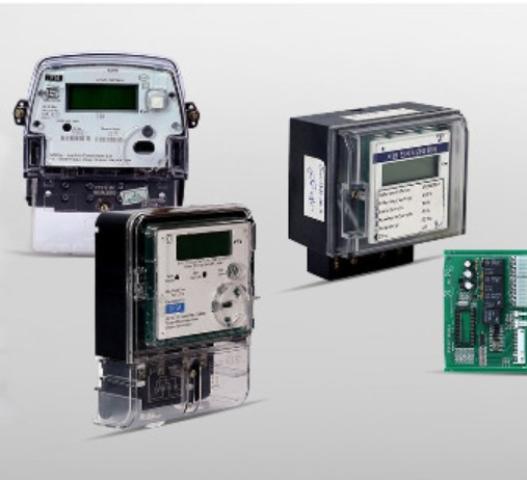
- Internet of Things (IoT) sensors
- Predictive maintenance platforms
- Digital substations
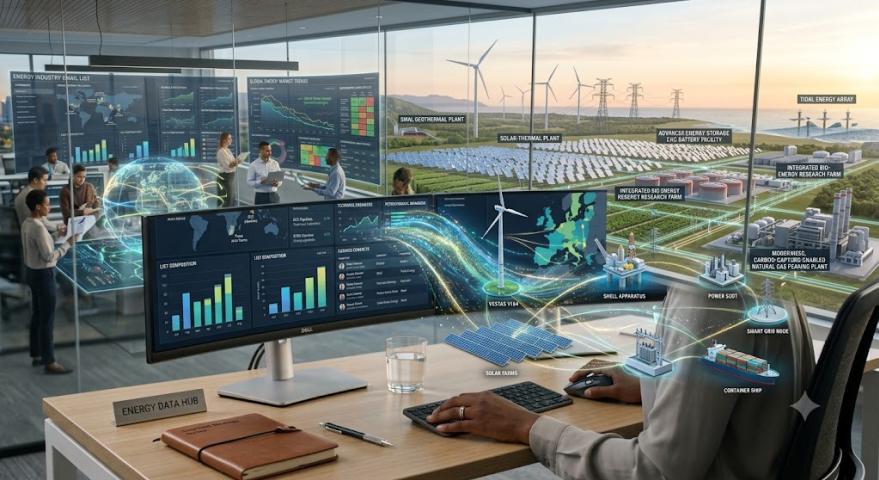
- Advanced energy management systems
- Real-time monitoring solutions
Together, these technologies are transforming renewable energy from a standalone generation source into an intelligent and responsive ecosystem.
Why Technology Matters More Than Ever
Global electricity demand continues to grow as economies digitize and industries electrify. Data centers, electric vehicles, smart cities, and advanced manufacturing facilities all require reliable power.
At the same time, governments are accelerating renewable energy adoption to meet decarbonization goals.
The challenge is clear: how can countries increase renewable energy generation while maintaining reliability?
Technology provides the answer by helping utilities and grid operators:
- Forecast generation more accurately
- Reduce transmission losses
- Improve grid flexibility
- Optimize energy storage
- Enhance power quality
- Prevent equipment failures
- Improve operational efficiency
As a result, technology is becoming the backbone of every successful renewable energy model.
The Rise of Hybrid Renewable Energy Systems
One of the most important innovations shaping the industry today is the emergence of hybrid renewable energy systems.
Rather than relying on a single renewable source, hybrid systems combine multiple generation technologies to improve reliability and efficiency.
Common combinations include:
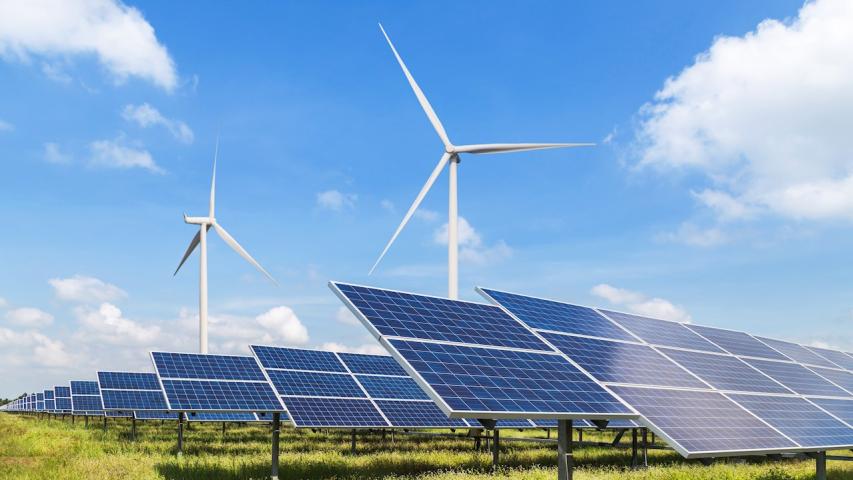
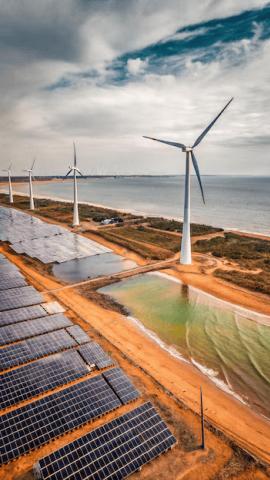
- Solar + Wind
- Solar + Battery Storage
- Wind + Battery Storage
- Solar + Wind + Storage
- Renewable Energy + Grid Support Systems
These integrated systems help overcome the intermittency challenge that has historically limited renewable energy adoption.
For example, solar generation peaks during daylight hours, while wind generation may be stronger during evenings or nighttime. By combining both resources, utilities can create a more balanced and reliable energy supply.
Adding battery storage further enhances flexibility by storing excess energy and releasing it during peak demand periods.
This evolution is redefining the renewable energy model worldwide.
Artificial Intelligence Is Making Renewable Energy Smarter
Artificial Intelligence is rapidly becoming one of the most powerful tools in the energy sector.
Traditional grid operations relied heavily on manual monitoring and reactive maintenance. Today, AI-driven platforms enable predictive decision-making.
AI can help operators:
- Forecast solar and wind generation
- Predict equipment failures
- Optimize battery charging cycles
- Analyze energy consumption patterns
- Improve demand forecasting
- Reduce maintenance costs
For renewable projects, predictive maintenance alone can significantly improve operational efficiency.
Instead of waiting for equipment to fail, operators can identify potential issues before they impact performance.
This results in:
- Higher energy output
- Reduced downtime
- Lower operating costs
- Improved asset lifespan
As renewable capacity grows, AI will become an essential component of modern energy management.
Digital Grids Are Transforming Power Distribution
The future of renewable energy depends not only on generation but also on how efficiently power is delivered to consumers.
Traditional grids were designed around centralized power plants. Renewable energy introduces a more decentralized model where electricity can be generated from multiple locations simultaneously.
This requires smarter infrastructure.
Digital grids use advanced communication technologies and real-time monitoring systems to improve grid performance.
Benefits include:
- Faster fault detection
- Improved outage management
- Better voltage regulation
- Enhanced grid reliability
- Greater renewable integration
Digital substations equipped with intelligent electronic devices and automated controls are becoming increasingly important as renewable energy penetration rises.
These systems enable utilities to manage complex power flows more effectively while supporting long-term grid stability.
Energy Storage Is Changing the Economics of Renewable Energy
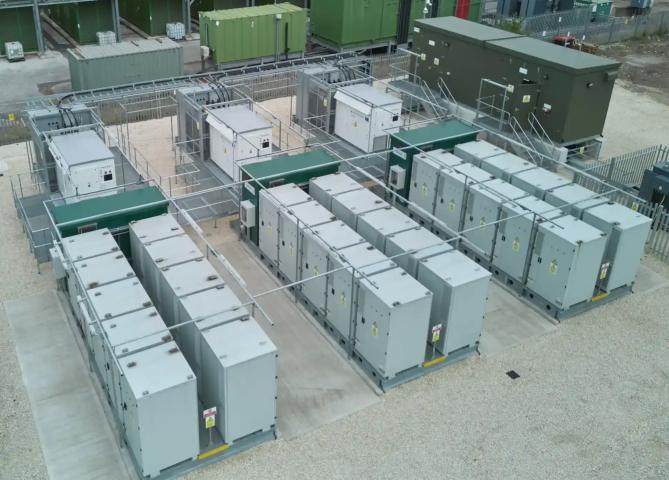
Battery Energy Storage Systems are playing a transformative role in the renewable energy sector.
Historically, one of the biggest criticisms of renewable energy was its inability to provide power consistently.
Energy storage addresses this challenge directly.
Modern battery systems can:
- Store excess renewable energy
- Support peak demand periods
- Improve grid stability
- Enhance frequency regulation
- Reduce renewable curtailment
- Enable faster grid recovery
As battery costs continue to decline, energy storage is becoming a fundamental component of every advanced renewable energy model.
Many industry experts now view energy storage as the bridge between renewable generation and reliable power delivery.
The Growing Role of EPC Solar Companies
As renewable energy projects become increasingly sophisticated, the role of epc solar companies is expanding significantly.
Modern renewable projects require expertise across multiple disciplines, including:
- Engineering design
- Procurement management
- Grid integration
- Energy storage deployment
- Transmission infrastructure
- Digital monitoring systems
Developers are no longer looking solely for project execution capabilities. They need partners who can deliver integrated solutions that support long-term operational performance.
Leading EPC providers are helping bridge the gap between renewable generation and advanced grid infrastructure.
Their ability to integrate technology into renewable projects is becoming a major differentiator in today's competitive energy market.
Renewable Energy in India: A Technology-Led Growth Story
Few countries demonstrate the impact of technology on renewable energy better than India.
The rapid expansion of renewable energy in India is being supported by:
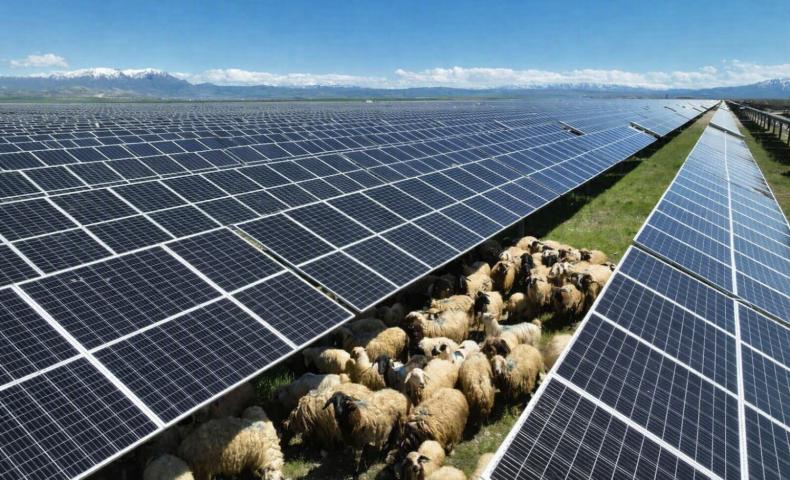
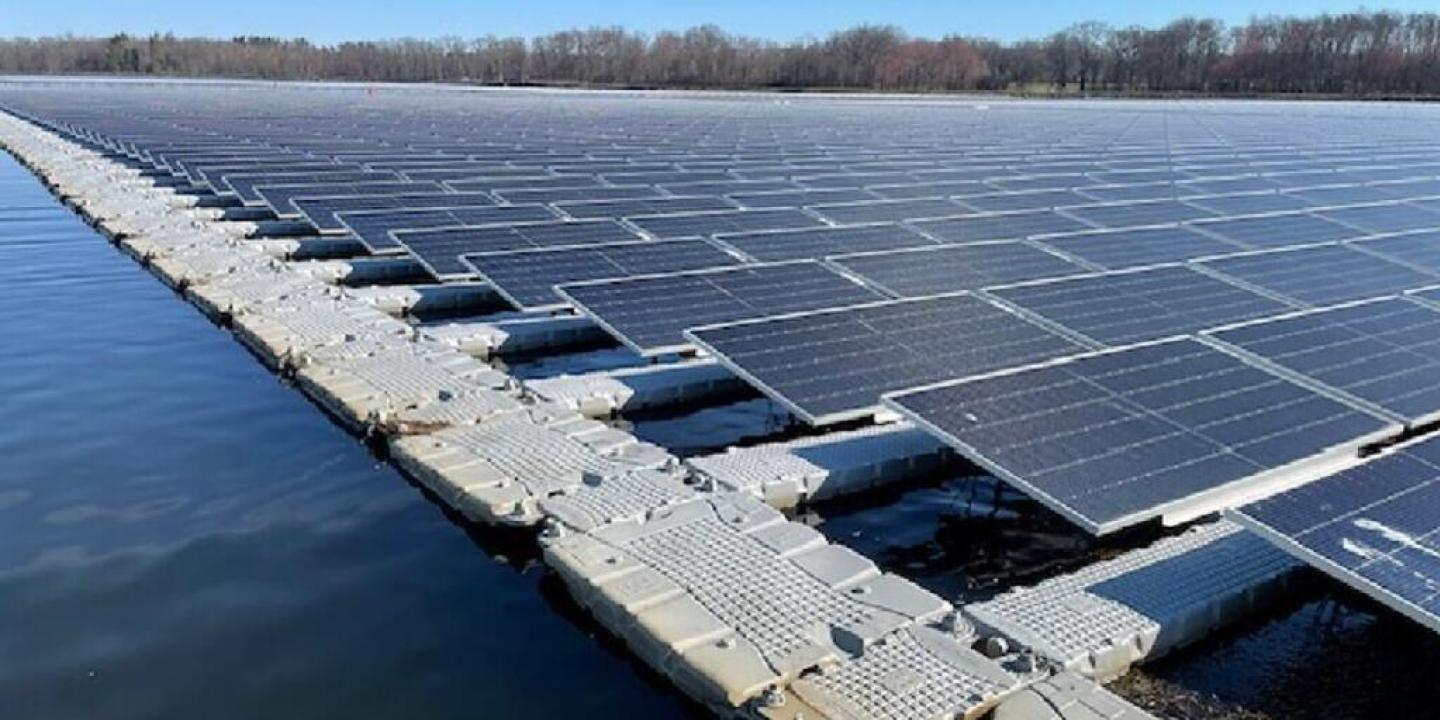
- Large-scale solar parks
- Wind energy corridors
- Battery storage projects
- Smart grid initiatives
- Digital substations
- Advanced transmission networks
India's renewable energy ambitions extend far beyond capacity addition.
The focus is increasingly shifting toward:
- Grid modernization
- Renewable integration
- Energy storage deployment
- Digital infrastructure development
This approach recognizes that achieving long-term sustainability requires more than generating clean energy. It requires creating an intelligent energy ecosystem capable of managing that energy efficiently.
The Future Renewable Energy Model Will Be Connected
Looking ahead, the renewable energy model of the future will look very different from today's systems.
Emerging technologies are expected to accelerate transformation through:
- AI-powered grid optimization
- Distributed energy resources
- Vehicle-to-grid technologies
- Advanced battery systems
- Smart microgrids
- Blockchain-based energy trading
- Predictive energy management platforms
These innovations will create a more decentralized, resilient, and responsive energy landscape.
Consumers will increasingly become active participants in the energy ecosystem rather than passive recipients of electricity.
This shift will fundamentally reshape how energy is generated, distributed, and consumed.
Powering a Smarter Energy Future with Hartek Group
As the renewable energy landscape evolves, infrastructure partners with deep expertise in power systems, grid integration, and renewable project execution will play a critical role in enabling this transition.
Hartek Group continues to contribute to India's energy transformation through its expertise in renewable integration, substations, transmission systems, and advanced power infrastructure solutions. By supporting smarter, more resilient, and future-ready energy networks, Hartek is helping accelerate the adoption of innovative renewable energy models that support sustainable growth and long-term energy security.
Frequently Asked Questions (FAQs)
1. What is a renewable energy model?
A renewable energy model refers to the framework used to generate, store, distribute, and manage energy from renewable sources such as solar, wind, hydro, and biomass.
2. How do hybrid renewable energy systems improve reliability?
Hybrid renewable energy systems combine multiple energy sources and storage technologies to ensure a more consistent and reliable power supply while reducing intermittency.
3. Why is technology important for renewable energy?
Technology improves efficiency, enhances grid stability, enables energy storage, supports predictive maintenance, and helps integrate renewable energy into existing power systems.
4. What role do EPC solar companies play in renewable energy projects?
EPC solar companies manage the engineering, procurement, and construction of renewable energy projects while ensuring efficient design, execution, and grid integration.
5. How is renewable energy in India benefiting from technological innovation?
Renewable energy in India is benefiting from smart grids, battery storage, digital substations, AI-based monitoring systems, and advanced transmission infrastructure that improve efficiency and reliability.