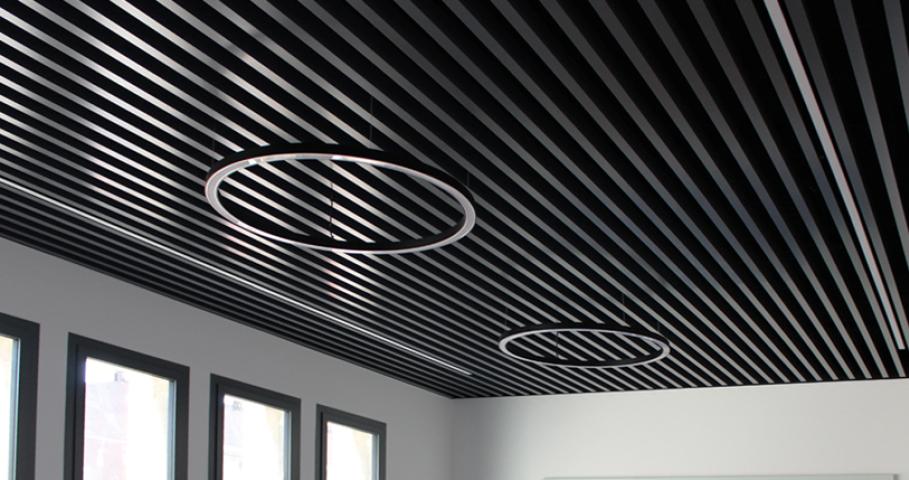
The modern ceiling is no longer just a functional building component hidden above occupants. In 2026, ceilings have become a defining element of architectural design, contributing to aesthetics, acoustics, sustainability, and building performance. As commercial interiors continue to evolve, the demand for innovative ceiling solutions has placed the metal ceiling tile at the forefront of contemporary architecture.
From corporate offices and airports to healthcare facilities and educational institutions, architects are increasingly turning to metal-based ceiling systems to create visually striking and highly functional spaces. The combination of durability, design flexibility, and acoustic performance makes these solutions a preferred choice for modern construction projects.
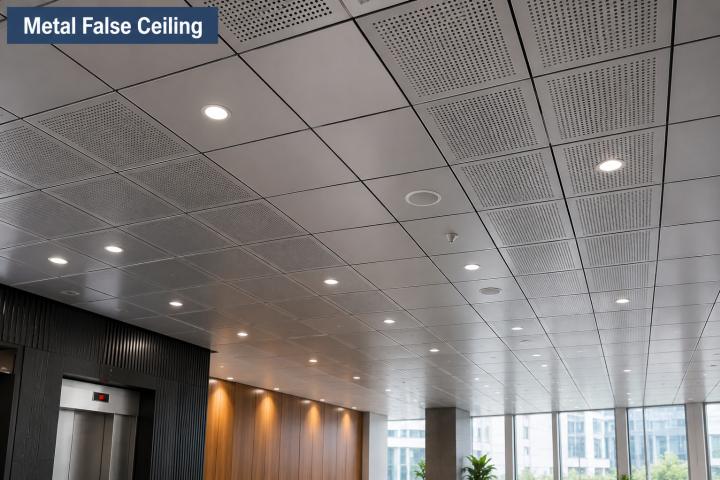
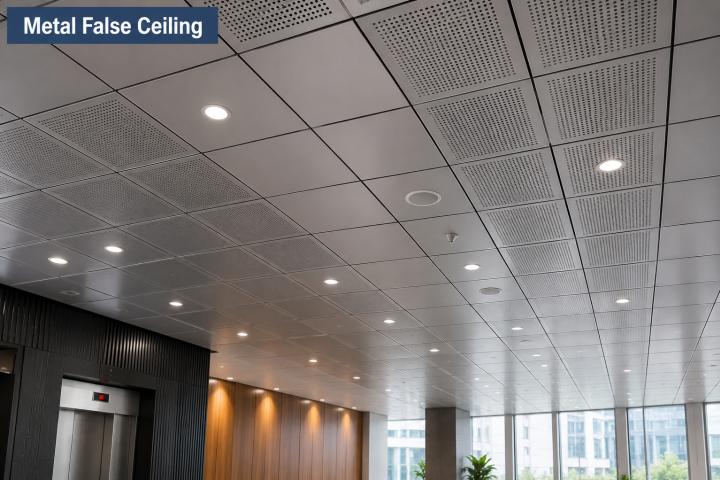
A major factor driving this shift is the growing popularity of metal ceiling perforated designs. These systems offer more than just visual appeal. They help manage acoustics, improve airflow integration, and support the clean, minimalist aesthetics that define today's commercial interiors.
Why Metal Ceilings are Gaining Momentum in 2026
Architectural trends are moving toward materials that offer both performance and longevity. Designers are expected to create environments that look impressive while meeting increasingly demanding operational requirements.
A metal ceiling tile addresses several of these challenges simultaneously.
Unlike traditional ceiling materials, metal ceilings provide exceptional durability, resistance to moisture, fire performance advantages, and ease of maintenance. They maintain their appearance over time and can withstand the demands of high-traffic environments.
As organizations seek long-term value from their construction investments, metal ceiling systems continue to gain favor across industries.
The Rise of Design-driven Ceilings
For many years, ceilings were treated as purely functional surfaces. Today, they are viewed as opportunities for architectural expression.
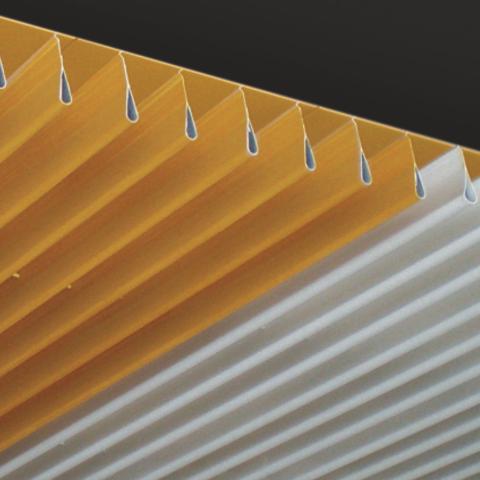
Modern metal ceiling tile systems are available in a wide range of finishes, textures, colors, patterns, and formats. Architects can create bold visual statements while maintaining a clean and professional appearance.
Whether the design goal is industrial sophistication, minimalist elegance, or contemporary luxury, metal ceilings provide the flexibility needed to bring creative concepts to life.
This evolution has transformed ceilings from background elements into focal points within the overall design strategy.
How Metal Ceiling Perforated Systems Improve Acoustics
Acoustic comfort has become a major consideration in commercial design.
Open offices, collaborative workspaces, educational institutions, and public buildings all require effective sound management to support communication and productivity.
This is where metal ceiling perforated systems offer a significant advantage.
The perforations allow sound waves to pass through the panel surface and interact with acoustic backing materials installed above the ceiling. This process helps absorb unwanted sound energy and reduce reverberation within the space.
The result is a quieter and more comfortable environment without sacrificing the clean aesthetic associated with metal ceilings.
As acoustic expectations continue to rise, perforated ceiling solutions are becoming a standard feature in many projects.
Sustainability is Shaping Material Choices
Environmental responsibility remains a major priority in the construction industry.
Many manufacturers now produce metal ceiling tile systems using recycled content and sustainable manufacturing processes. Metal ceilings can also be recycled at the end of their lifecycle, supporting circular economy objectives.
Their durability further contributes to sustainability by reducing replacement frequency and minimizing material waste over time.
As green building certifications continue to influence project decisions, sustainable ceiling systems are becoming increasingly valuable.
Technology Is Driving Innovation
The ceiling industry is embracing technological advancements that were almost unimaginable a decade ago.
Today's metal ceiling tile solutions can be integrated with lighting systems, HVAC infrastructure, fire protection equipment, and smart building technologies.
Advanced manufacturing techniques have also expanded design possibilities. Complex perforation patterns, custom geometries, and precision-engineered finishes allow architects to achieve highly customized outcomes while maintaining performance standards.
These innovations are helping transform ceilings into multifunctional components that contribute to the overall intelligence of a building.
Key Applications in Modern Architecture
The versatility of metal ceiling tile systems makes them suitable for a wide variety of environments.
Corporate Offices
Modern workplaces require aesthetics, acoustics, and flexibility. Metal ceilings support all three objectives while creating a polished, professional atmosphere.
Healthcare Facilities
Hospitals and clinics benefit from durable, hygienic ceiling systems that can withstand rigorous cleaning requirements.
Transportation Hubs
Airports, railway stations, and transit centers rely on metal ceilings for their durability, ease of maintenance, and architectural appeal.
Educational Institutions
Schools and universities increasingly use metal ceiling perforated systems to improve acoustic comfort in classrooms and lecture halls.
Retail and Hospitality Spaces
Design-driven environments benefit from the visual sophistication and customization options offered by modern metal ceilings.
Read to know more on metal ceiling tile: A Designer’s Guide for Choosing the Right Metal Ceilings
Emerging Trends for 2026
Several trends are expected to define the next generation of ceiling design.
- Larger panel formats for seamless visual appearance
- Custom perforation patterns for branding and artistic expression
- Integration with smart lighting systems
- Increased use of recycled materials
- Enhanced acoustic performance requirements
- Hybrid ceiling systems combining aesthetics and functionality
- Biophilic-inspired finishes and textures
These developments reflect a broader shift toward ceilings that actively contribute to occupant experience rather than simply concealing building infrastructure.
Why Architects Continue to Choose Metal Ceilings
Architects face constant pressure to balance aesthetics, functionality, budget, and sustainability.
A metal ceiling tile offers a rare combination of strengths that address all of these considerations. Its adaptability allows designers to create unique visual experiences while maintaining the practical benefits required in demanding commercial environments.
When paired with metal ceiling perforated technology, the result is a ceiling solution capable of delivering both architectural impact and acoustic performance.
This balance explains why metal ceilings continue to play an increasingly important role in modern building design.
Looking Ahead
The future of ceiling design is about much more than appearance. Performance, sustainability, occupant comfort, and technological integration are becoming equally important factors.
As these priorities continue to evolve, the metal ceiling tile is positioned to remain a key element of architectural innovation. Meanwhile, advancements in metal ceiling perforated systems will further enhance their ability to create spaces that are visually compelling, acoustically comfortable, and operationally efficient.
In 2026 and beyond, ceilings are no longer an afterthought. They are becoming one of the most influential design surfaces within the built environment, helping shape how people experience the spaces around them.
FAQs
1. What are the benefits of using a metal ceiling tile?
A metal ceiling tile offers durability, low maintenance, fire resistance, moisture resistance, and a modern aesthetic, making it ideal for commercial and institutional spaces.
2. How does metal ceiling perforated technology improve acoustics?
Perforated metal ceilings allow sound waves to pass through the panel and be absorbed by acoustic backing materials, reducing echo and improving sound clarity.
3. Where can metal ceiling tile systems be installed?
They are commonly used in offices, airports, hospitals, educational institutions, shopping centers, hotels, and other high-traffic commercial environments.
4. Are metal ceiling perforated panels customizable?
Yes. They are available in various perforation patterns, sizes, finishes, colors, and designs to meet specific architectural and acoustic requirements.
5. Are metal ceiling tile systems environmentally friendly?
Many metal ceiling systems are manufactured using recycled materials and can be recycled at the end of their lifespan, supporting sustainable building practices.
Elevate Your Interiors with Advanced Metal Ceiling Solutions
At Tranquil Global, we deliver innovative ceiling solutions designed to combine architectural elegance, acoustic performance, and long-term durability. Our premium metal ceiling tile systems and metal ceiling perforated solutions help create visually stunning environments while enhancing comfort and functionality. Whether you're designing a commercial office, healthcare facility, educational institution, or public space, our experts can help you find the perfect ceiling system for your project. Contact Tranquil Global today to discover future-ready ceiling solutions built for modern architecture.