Quick Summary: When designing a modern interior, the ceiling deserves just as much attention as the walls and flooring. Two of the most popular options are the metal ceiling and traditional drywall. While both have their strengths, they differ significantly in durability, maintenance, appearance, acoustics, and long-term value. Understanding these differences can help you choose the ceiling system that best fits your space and your life>
Introduction
Most people notice the furniture first.
Then the lighting.
Then the flooring.
Rarely does anyone walk into a room thinking about the ceiling.
Yet the ceiling quietly influences everything. It affects how spacious a room feels, how sound behaves, how light is reflected, and even how often maintenance is required. Choosing the right ceiling is not simply an architectural decision. It is an investment in the way a space performs every single day.
For decades, drywall has been the default choice for homes and commercial buildings because it is familiar and relatively easy to install. Today, however, designers and architects are increasingly turning towards the metal ceiling for projects that demand both >
So which option deserves a place in your next interior project?
The answer depends on what matters most to you.
Durability Makes a Significant Difference
Drywall performs well under normal conditions, but it has its limitations. It can crack over time as buildings settle, absorb moisture in humid environments, and become damaged by accidental impacts. Repairs often involve patching, sanding, and repainting before the surface looks uniform again.
A metal ceiling offers a very different experience. Designed for long-term performance, it resists warping, cracking, and everyday wear much more effectively. In commercial spaces with heavy usage, its durability often becomes one of its greatest advantages.
Moisture Resistance Changes Everything
Bathrooms, kitchens, hospitals, laboratories, airports, and commercial buildings frequently experience varying humidity levels.
Moisture can gradually weaken conventional drywall, particularly if leaks occur or ventilation is poor.
A metal false ceiling performs exceptionally well in these conditions because it resists moisture and maintains its appearance even in demanding environments. This makes it a preferred choice wherever durability and hygiene are important considerations.
Maintenance Is Much Simpler
Every building requires maintenance eventually.
The question is how much.
Drywall may require repainting, repairs, or patchwork after years of use, especially if small cracks begin appearing.
A metal ceiling generally requires far less ongoing attention. Routine cleaning is often enough to maintain its appearance, making it particularly attractive for offices, retail spaces, healthcare facilities, and educational institutions where operational interruptions should be kept to a minimum.
Design has Come a Long Way
Many people still imagine industrial-looking metal ceilings from decades ago.
Modern systems tell a very different story.
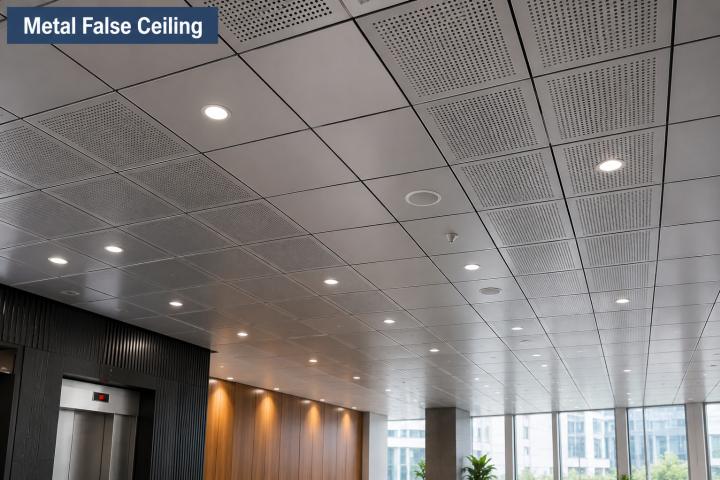
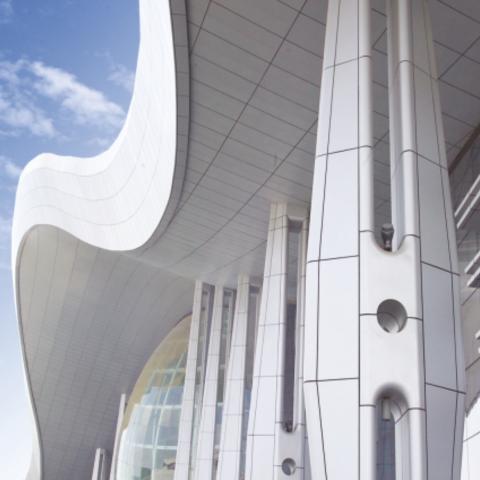
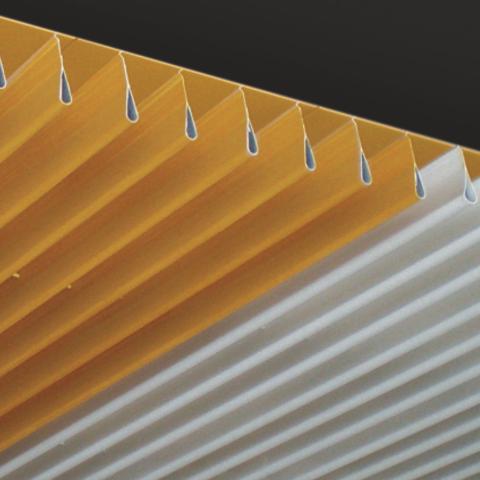
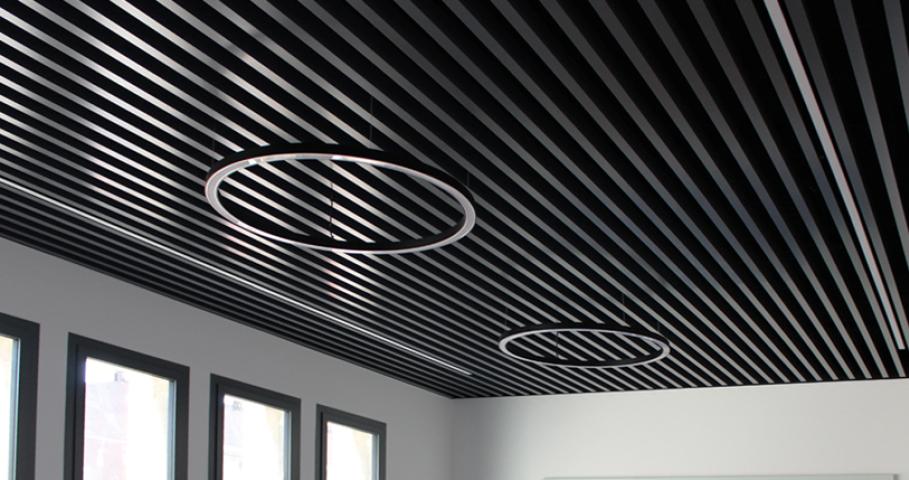
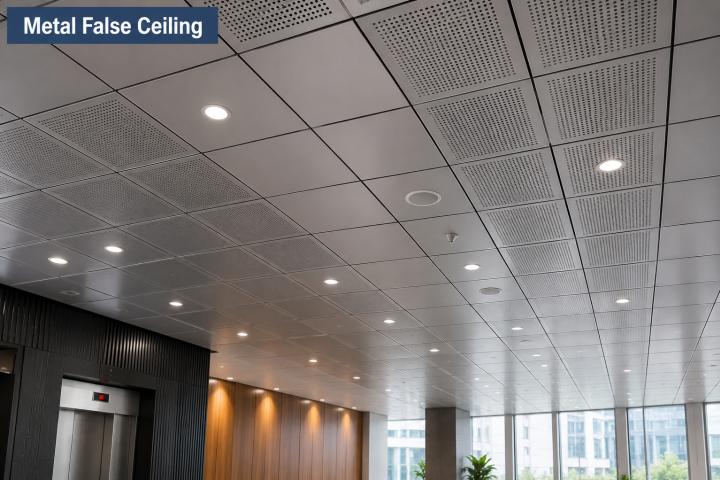
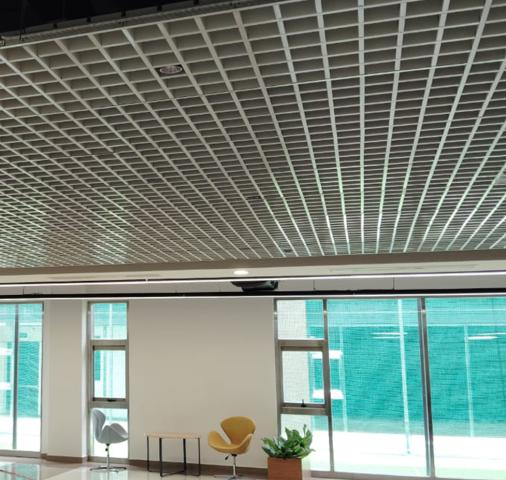
Today's metal false ceiling designs include sleek linear panels, perforated systems, elegant baffles, open-cell ceilings, wood-look finishes, curved profiles, and custom architectural patterns that suit everything from luxury hotels to contemporary residences.
Rather than hiding above the room, the ceiling becomes part of the overall design statement.
Better Integration with Building Services
Modern buildings contain far more than lighting.
There are air-conditioning systems, fire sprinklers, security equipment, ventilation ducts, speakers, sensors, and communication systems hidden above the ceiling.
A metal ceiling allows easier access to these services whenever maintenance or upgrades become necessary. Many modular systems enable individual panels to be removed and replaced without damaging the surrounding ceiling, something traditional drywall cannot easily offer.
Acoustic Performance can be Enhanced
Contrary to popular belief, metal ceilings can perform extremely well acoustically.
Perforated metal panels combined with acoustic backing absorb unwanted sound and reduce reverberation in offices, conference rooms, airports, educational facilities, and hospitality environments.
Instead of choosing between attractive design and comfortable acoustics, modern metal ceiling systems allow both to exist together.
Sustainability Matters More than Ever
Sustainability has become a major consideration in contemporary architecture.
Metal ceiling systems often contain recyclable materials and can themselves be recycled at the end of their service life. Their long lifespan also reduces replacement frequency, supporting environmentally responsible construction practices.
For projects pursuing green building certifications, this becomes an additional advantage.
Read to know more than metal ceiling systems here: A Designer’s Guide for Choosing the Right Metal Ceilings
Where Drywall Still Performs Well
Despite the advantages of metal systems, drywall continues to serve many residential applications successfully.
Bedrooms, living rooms, and smaller spaces with limited maintenance demands often perform perfectly well with properly installed drywall.
For projects prioritising simple construction and conventional finishes, drywall remains a practical solution.
The best ceiling is always the one that matches the requirements of the building rather than following trends alone.
Conclusion
Both drywall and the metal ceiling have their place in modern architecture. Drywall offers familiarity and simplicity for many residential interiors, while metal ceiling systems deliver superior durability, moisture resistance, easier maintenance, excellent integration with building services, and increasingly sophisticated design possibilities.
For commercial buildings, healthcare facilities, educational institutions, hospitality projects, and contemporary architectural spaces, a metal false ceiling often provides greater long-term value while enhancing both aesthetics and functionality.
Elevate Every Interior with Tranquil Global
At Tranquil Global, we design premium metal ceiling solutions that combine architectural elegance with exceptional performance.
Our innovative metal false ceiling systems offer outstanding durability, acoustic comfort, moisture resistance, and design flexibility for commercial, institutional, hospitality, healthcare, and residential projects.
With a commitment to quality and modern engineering, Tranquil Global helps create interiors that are built to perform beautifully for years to come.
FAQs
1. Is a metal ceiling more durable than drywall?
Yes. A metal ceiling generally offers greater resistance to moisture, cracking, impact, and long-term wear than traditional drywall.
2. Where is a metal false ceiling commonly used?
It is widely used in offices, hospitals, airports, schools, shopping centres, hotels, restaurants, and increasingly in modern residential interiors.
3. Can metal ceilings improve acoustics?
Yes. Perforated metal ceiling systems with acoustic backing effectively reduce echo and improve sound quality.
4. Which ceiling requires less maintenance?
A metal ceiling typically requires less maintenance because it resists moisture, stains, cracking, and surface deterioration.
5. Why choose Tranquil Global?
Tranquil Global provides premium metal ceiling and metal false ceiling solutions that combine contemporary design, superior engineering, acoustic performance, and long-lasting durability for a wide range of architectural applications.