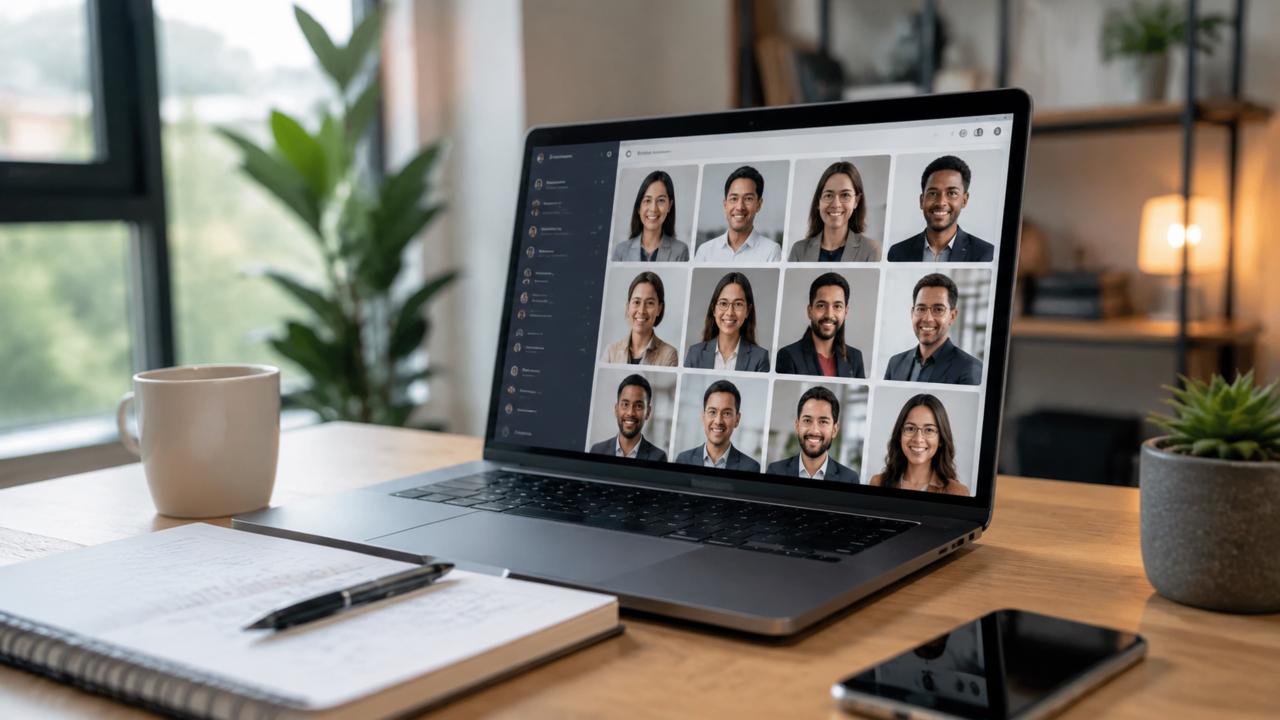
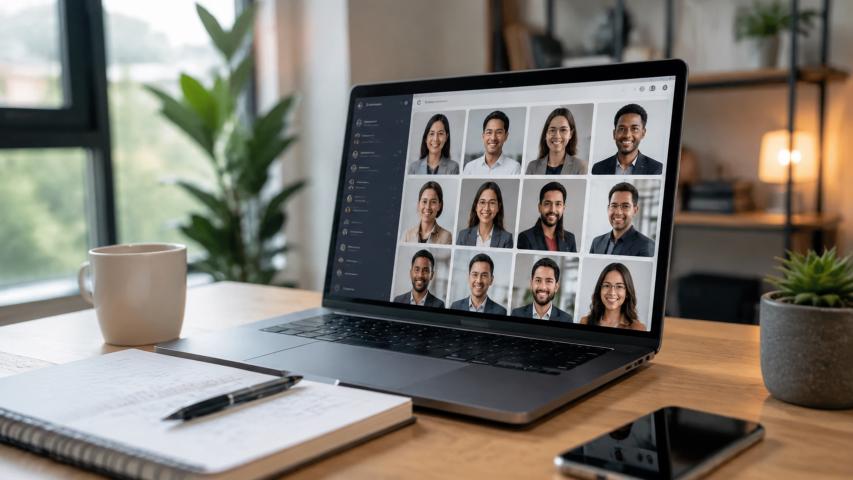
A startup's first impression rarely happens in a boardroom anymore. It happens in a LinkedIn search result, a pitch deck, a cold email signature, a calendar invite, a podcast bio, a team page, or a job candidate's browser tab. Before anyone reads the copy, they see faces. Sometimes those faces look sharp and current. Sometimes they look like a mix of old conference badges, cropped wedding photos, webcam stills, and selfies taken in poor lighting.
That used to feel like a small branding problem. Now it is closer to hiring infrastructure. Candidates check the team before applying. Buyers check the founder before booking a call. Investors scan the leadership page before a meeting. New employees copy the tone they see from the existing team. If every profile photo sends a different signal, the company looks more improvised than it may actually be.
This is why the AI professional headshot category has moved from a novelty into a practical tool for early-stage teams. The goal is not to make everyone look like a finance brochure. The useful goal is simpler: give each person a clean, believable, consistent photo they can use across the places where professional trust is formed.
Remote teams made the photo problem harder
When everyone works in one office, a team photo day is annoying but possible. A photographer comes in, people rotate through a meeting room, and the company gets a consistent set of portraits. Remote and hybrid teams do not have that luxury. One person is in Austin, another is in Berlin, another is in Manila, and the new sales hire starts next week. Waiting for a centralized shoot means the team page stays uneven for months.
The usual workaround is to ask each person to upload a "professional" photo. That sounds reasonable until the files arrive. One image is square, another is vertical, another has a beach background, another is a selfie in a car, another is so old that the person barely recognizes it. Nobody is trying to make the company look sloppy. They are just working with whatever they have.
A startup can ignore this for a while. At ten people, it feels manageable. At thirty people, the inconsistency starts to show up everywhere. The hiring page looks patched together. The sales deck has a different visual >
An AI professional headshot standard is about consistency, not perfection
There is a trap in professional headshots: pushing people until they look overproduced. Startups do not need every employee to look like a board member at a public company. A useful AI professional headshot should still look like the person who will join the call. It should be current, well lit, and easy to recognize. It should not feel like an avatar that escaped from a stock photo site.
That is why consistency matters more than polish. A good team standard answers basic questions: What kind of background is acceptable? How tightly should the image be cropped? Are hoodies okay for engineering? Should sales use a more formal look? Can founders use the same photo for press and LinkedIn? Once those decisions are made, the company can stop debating every image from scratch.
Tools such as ProfessionalHeadshot.io fit this operational gap because they remove the need for one shared physical shoot. The homepage workflow is built around uploading 5-20 casual photos, choosing >
The best use is not blind automation. A person still needs to choose the image that feels accurate. Managers still need to avoid forcing one stiff >
Hiring pages now compete before the interview
Startup hiring used to lean heavily on mission statements, salary ranges, and the founder's network. Those still matter, but candidates now do their own quiet research. They look at LinkedIn. They check the company site. They search the founder's name. They open team profiles to see whether the company looks real, healthy, and serious.
Photos are part of that read. A thoughtful headshot does not guarantee a good workplace. A bad one does not mean the company is disorganized. But people make fast judgments from incomplete signals, and startup recruiting is full of incomplete signals. If a candidate has never heard of the company, every visible detail has to carry more weight.
This matters most for small companies hiring outside their warm network. A startup with a known founder may get the benefit of the doubt. A bootstrapped company hiring its first product marketer may not. A clean team page, current founder photo, and consistent recruiter image can make the company feel less risky before the first conversation starts.
Sales teams face the same trust problem
The same pattern shows up in sales. Startup buyers are cautious. They are asked to trust a company with a small team, a short operating history, and a product that may still be changing. The buyer looks for signs that the people behind the product are competent and reachable.
An AI professional headshot will not close a deal. It can, however, reduce one small source of doubt when it is accurate and current. A clear founder photo on a webinar page, a consistent customer success headshot in email, and a polished account executive profile all make the company feel more accountable. The person is visible. The company is less anonymous.
This is especially relevant for founder-led sales. Many founders spend heavily on website copy and product screenshots, then use a cropped vacation photo for the person who is asking prospects for a six-figure contract. That mismatch is easy to fix. It does not require a full rebrand. It requires treating the founder's photo as part of the sales asset library.
LinkedIn is where the standard gets tested
Internal consistency is only half the issue. Team members also show up outside the company website, especially on LinkedIn. A candidate may first see the recruiter there. A buyer may check the founder after reading a post. A journalist may pull a profile photo before asking for an interview. For many startups, LinkedIn is the public team directory whether the company planned it that way or not.
That is why a startup headshot policy should include LinkedIn instead of stopping at the website CMS. The company does not need to police personal profiles, but it can give people a good default: a crop that works in a circle, a background that does not distract, and an expression that feels approachable without looking casual. A resource like LinkedIn headshots for startup teams is useful here because it treats the profile photo as a specific format, not just a generic portrait.
The linked page's promise is practical: LinkedIn-ready photos from a standard set of uploads, with pricing starting at $29 and delivery in the same 15-30 minute range. For a startup, the exact point is less about the price and more about repeatability. A new hire can get a usable set quickly. A founder can update an old photo without waiting for the next conference. A recruiter can stop sending awkward reminders about profile pictures.
How to set a sane startup headshot standard
A useful standard does not need a long brand document. It can fit into a short onboarding note.
Start with the use cases. The company needs images for LinkedIn, the team page, press kits, investor updates, sales decks, webinar bios, and internal tools. Each use case has a different crop, but the source photo should be clean enough to support all of them. Ask for a head-and-shoulders image, current within the last year, with the face clearly visible.
Then set the tone. Some startups should look formal because they sell to banks, law firms, healthcare providers, or enterprise security teams. Others can look more relaxed because the market expects it. The mistake is letting every employee guess. If the company wants neutral backgrounds, say that. If casual clothing is fine, say that too. Ambiguity creates the messy gallery.
Finally, create a review step that is light but real. Someone on brand, marketing, or people operations should check whether each image works at small sizes, whether the person is recognizable, and whether the crop will hold up in the website layout. This should not become a committee. It should be a practical pass before the image becomes part of the company's public surface.
What teams should avoid
The first mistake is over-smoothing. A headshot that removes every line and texture often looks less trustworthy, not more. People do not need to look flawless. They need to look like themselves on a good day.
The second mistake is mismatched context. If the company sells developer tools, a full suit and marble lobby background may feel strange. If it sells compliance software to banks, a casual bedroom background may create the wrong read. The image should match the market the person is speaking to.
The third mistake is letting photos go stale. Startup teams change quickly. People grow beards, change hair, move roles, and become public-facing in new ways. A headshot standard should include a simple refresh habit. Once a year is enough for most people. After a major role change, sooner may make sense.
The real value is operational
AI professional headshots are often discussed as a replacement for photographers. That framing misses how startups actually use them. The value is not that a tool wins an argument against a studio shoot. The value is that a small team can solve a recurring problem without scheduling a production day every time a new person joins.
There will still be moments when a photographer is the right choice. A funding announcement, major rebrand, executive campaign, or large press push may justify a custom shoot. But most everyday needs are less dramatic. A new customer success manager needs a profile image. The founder needs a cleaner LinkedIn photo. The careers page needs to stop looking half-finished. Those are operational problems.
For that kind of work, AI professional headshots make sense because they are fast, repeatable, and good enough for the surfaces where early trust forms. They help a company make the people behind the product visible in a more consistent way. That is why this category is becoming part of the startup toolkit. Not because every startup suddenly cares about portraits, but because every startup already depends on trust, and faces are one of the places where trust starts.