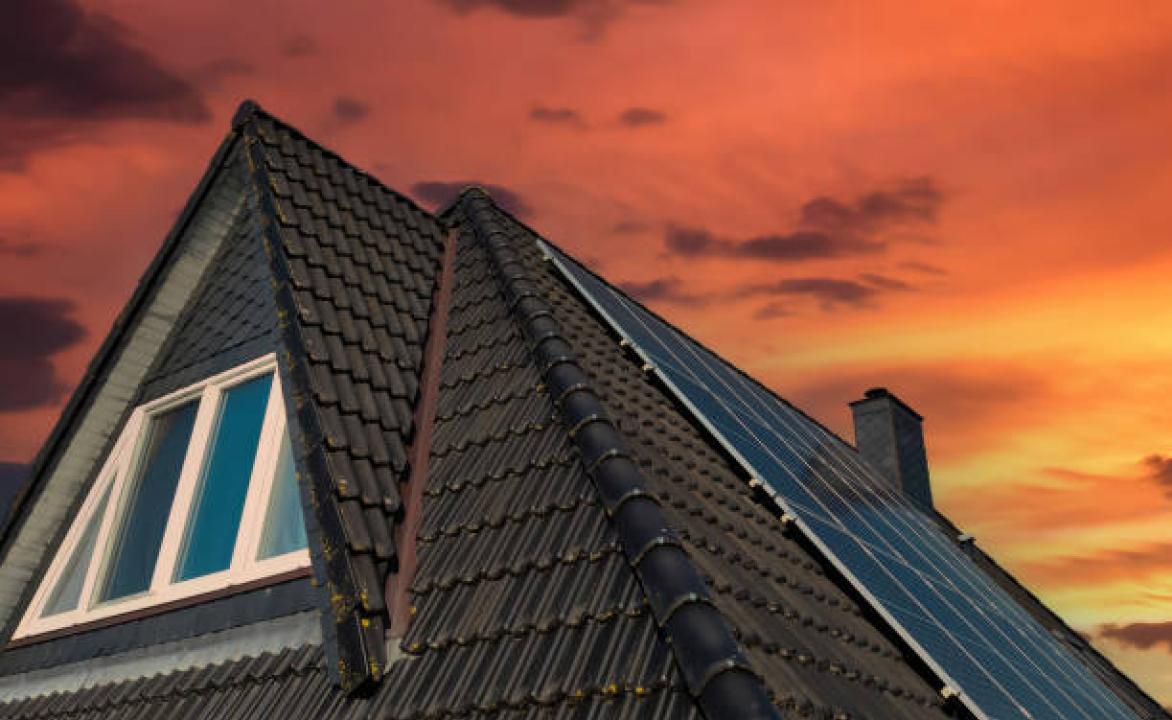
A home loses and gains heat through many parts but the roof plays the biggest role in this process. Old roofing allows air leaks and poor insulation which forces heating and cooling systems to work harder. New roofing changes that balance and helps a home stay stable in temperature throughout the year. Many homeowners notice better comfort and lower energy use after upgrading their roof. In areas where weather changes often people also depend on Roofing St John's Wood because proper installation makes a clear difference in energy savings and indoor comfort.
Why Does an Old Roof Waste So Much Energy
An old roof often has hidden gaps and weak insulation. These gaps allow warm air to escape during cold days and let heat enter during summer. This constant exchange of air creates pressure on indoor systems. Heaters and cooling units run longer which increases energy use.
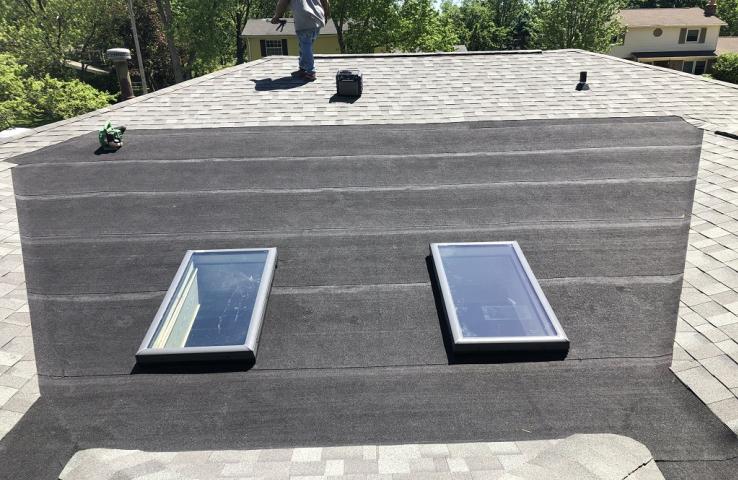
Damaged tiles and worn materials also reduce the roof ability to block outside temperature. Over time the house feels less comfortable and energy bills rise. Many homeowners do not notice this slow change until the cost becomes high. A roof that has aged without maintenance slowly turns into a weak barrier. It cannot hold indoor temperature properly and this leads to continuous energy loss.
How Does New Roofing Help Control Indoor Temperature
New roofing creates a strong layer that keeps indoor air stable. Fresh materials seal gaps and block unwanted airflow. This helps maintain warmth during cold months and keeps rooms cooler during hot days. Modern roofing systems also use better insulation layers. These layers trap air in a controlled way and reduce heat transfer. As a result the home stays balanced without extra effort from machines.
Homeowners who upgrade often feel the change quickly. Rooms stay comfortable for longer periods and temperature swings become less noticeable. Many families choose Roofing St John's Wood when they want this type of improvement because proper roofing work brings long term efficiency.
What Role Does Insulation Play in Energy Savings
Insulation works like a protective shield inside the roof. It slows down the movement of heat between inside and outside spaces. Good insulation reduces the need for constant heating or cooling. In old roofs insulation often becomes thin or damaged. This reduces its ability to control temperature. New roofing includes improved insulation that fits tightly and works more effectively. When insulation performs well the home does not lose energy quickly. This means less power usage and more stable comfort throughout the day and night.
How Do Modern Roofing Materials Improve Efficiency
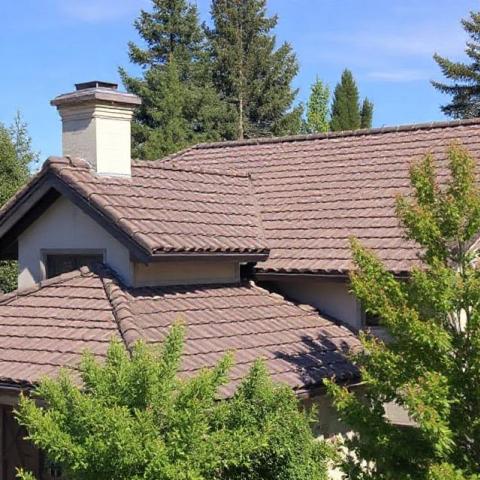
Modern roofing materials are designed to reflect heat and resist weather changes. They perform better than older materials that absorb too much heat or allow moisture inside. Some materials reduce heat absorption which helps keep the roof surface cooler. Others add strength that prevents cracks and leaks. Together these features create a strong barrier against energy loss. A well built roof using modern materials helps reduce strain on heating and cooling systems. This leads to lower energy consumption over time.
Why Does Roof Ventilation Matter for Energy Use
Roof ventilation allows air to move freely under the roof structure. This prevents heat buildup during hot weather and reduces moisture accumulation during cold weather. Without proper ventilation heat can get trapped inside the roof space. This increases indoor temperature and forces cooling systems to work harder. Moisture buildup can also damage insulation which reduces efficiency. A well ventilated roof supports balanced airflow. It keeps the home fresh and reduces unnecessary energy use.
How Does Roof Color Influence Energy Efficiency
Roof color plays a bigger role than many people realize. Light colored roofs reflect sunlight and reduce heat absorption. Dark roofs absorb more heat which can increase indoor temperature. Choosing the right roof color helps control how much heat enters the home. This simple choice can improve comfort and reduce cooling costs during summer months. When combined with strong insulation and modern materials the effect becomes even more powerful.
What Problems Does New Roofing Solve for Energy Loss
New roofing fixes many hidden problems that cause energy waste. It closes air leaks and strengthens weak areas. It replaces worn materials that no longer protect the home properly. It also improves insulation and ventilation which are key factors in energy control. These improvements work together to create a more efficient living space. Many homeowners notice that their heating and cooling systems do not need to run as often after a roof upgrade.
How Does Weather Impact Roof Energy Performance
Weather has a constant effect on roofing systems. Rain wind heat and cold all test the strength of the roof. Old roofing struggles to handle these changes which leads to energy loss. New roofing is built to handle weather pressure better. It keeps indoor temperatures stable even during extreme conditions. This stability reduces the need for constant energy use. Homes with strong roofing systems experience fewer temperature changes throughout the year.
Why Is Professional Installation Important for Efficiency
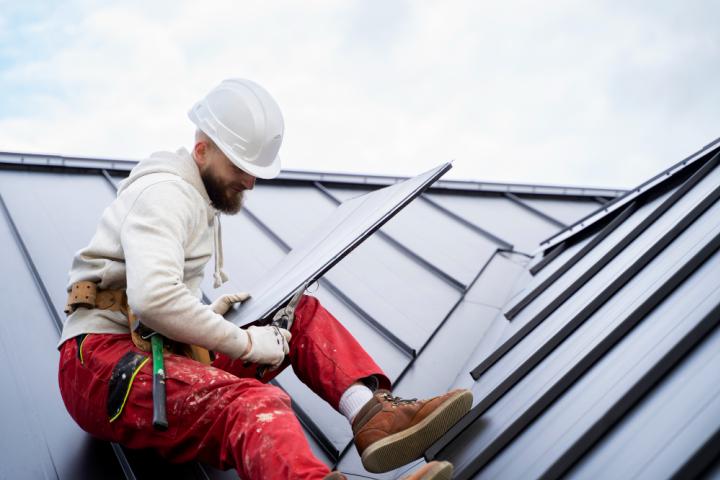
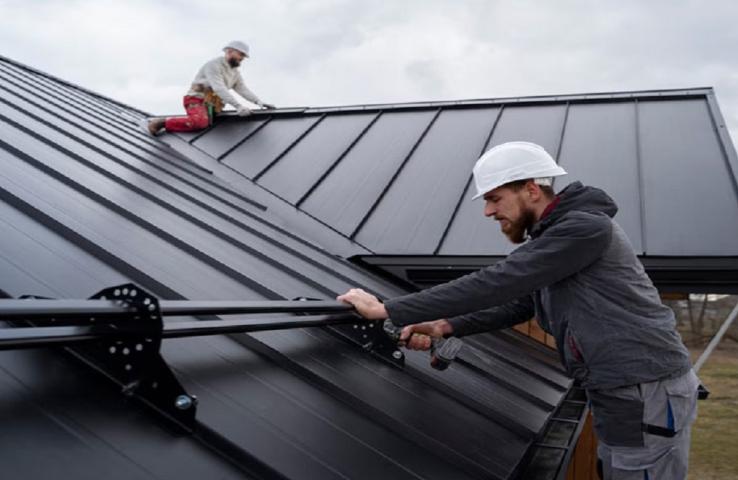
Even the best roofing materials cannot perform well without proper installation. A roof must be fitted correctly to avoid gaps and weak points. Professional installers ensure that every layer is placed with care. They check insulation alignment ventilation paths and sealing points. This precision helps the roof perform at its highest level. Many homeowners trust Roofing St John's Wood because expert installation ensures that the roof delivers real energy savings over time.
How Does New Roofing Reduce Monthly Bills
Energy bills depend on how much heating and cooling a home needs. When a roof performs poorly systems work harder and consume more energy. New roofing reduces this demand by improving insulation sealing and ventilation. The home stays comfortable without constant machine use. Over time this leads to noticeable savings on monthly energy bills. The investment in a new roof often pays back through reduced utility costs.
Can New Roofing Improve Home Comfort
Energy efficiency is not only about saving money. It also affects how comfortable a home feels. A well insulated roof keeps temperatures steady and reduces hot or cold spots inside rooms. Families notice better sleep improved air quality and a more pleasant living environment. These changes make daily life more comfortable. A stable roof environment also reduces stress on heating and cooling systems which helps them last longer.
Why Do Homeowners Choose Roofing St John's Wood for Upgrades
Homeowners often look for reliable solutions when upgrading their roofs. They want long lasting results and better energy performance. Roofing St John's Wood is often chosen because it provides professional work that focuses on insulation ventilation and material quality. These factors directly improve energy efficiency and home comfort. A well planned roofing upgrade creates long term benefits that go beyond simple repair work.
Conclusion
New roofing plays a major role in improving energy efficiency at home. It reduces heat loss improves insulation and supports better ventilation. These changes help lower energy bills and create a more comfortable living space. Old roofing often struggles to maintain balance between indoor and outdoor temperatures. New roofing solves this problem with modern materials and proper installation. Homes become more stable and efficient throughout the year. With proper planning and expert work from Roofing St John's Wood homeowners can enjoy better comfort lower costs and stronger protection for many years.
FAQs
How does new roofing improve energy efficiency at home?
New roofing reduces heat loss and improves insulation which helps maintain stable indoor temperature
Does roof insulation really reduce energy bills?
Yes good insulation reduces the need for heating and cooling which lowers energy usage
Can roof color affect home temperature?
Yes light colors reflect heat and dark colors absorb heat which affects indoor temperature
Why is ventilation important in roofing?
Ventilation helps control heat buildup and moisture which improves energy performance
Is new roofing a good long term investment?
Yes it improves comfort reduces energy costs and increases home value over time