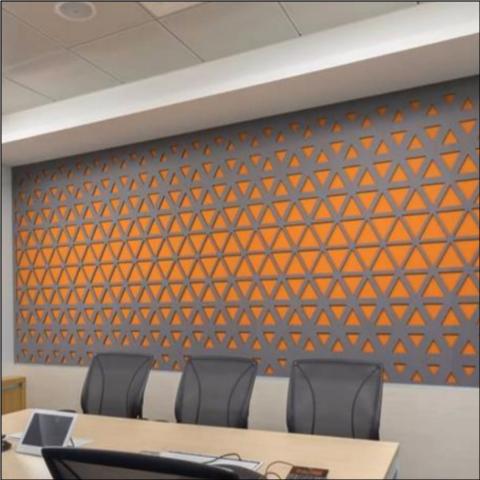

Quick Summary: Wooden acoustic panels are known to bring in a dash of warmth to a room. They also handle sound control quietly in the background. However, they need proper care to keep doing both well. Therefore, this guide covers easy dusting habits, safe cleaning steps, and what to avoid. You also get to know how often you should actually clean. This is important for your panels to stay sharp for years.
Why Bother with Care at All
A Wooden Acoustic Panel isn't just there to look nice. This is because they are working every single day. They are soaking up sound, and softening echo effectively. They effectively help in making a room feel calmer than it would otherwise. That is the real work that is often forgotten.
But wood is natural. And natural materials need a little attention now and then.
Skip that attention, and dust starts building up in the grooves. Grease from hands, or steam from a nearby kitchen, settles into the surface over time. It's not just about looks either. Dust clogging the perforations can actually reduce how well the panel absorbs sound.
The good part? None of this care takes much effort. Just a bit of consistency.
Know what You're Actually Cleaning
Before you grab any cleaning product, it helps to understand the panel itself.
Most Acoustic Wooden Panels have a layer of fabric, felt, or foam tucked behind slats or perforated wood. That hidden layer does the real acoustic work. The wood you see is mostly a finish, whether that's real veneer, laminate, or solid timber strips.
This matters a lot. Harsh cleaning can wreck that hidden layer even if the wood surface still looks fine on top. So keep things gentle. Never soak. Never scrub hard.
Weekly Care doesn't Need to be Complicated
Most upkeep is simple. No special products required.
Dust with a dry microfiber cloth, following the wood grain
Use a soft brush attachment on a vacuum for slatted or grooved surfaces
Wipe visible areas weekly in busy spots like offices or restaurants
Check corners and grooves first, since dust settles there quickly
That's the whole routine. Five minutes a week keeps most panels looking fresh.
Deeper Cleaning, Every Few Months
Every so often, panels need something more than a quick dust.
Start dry. Remove loose dust with a cloth first. If you need to have a little more cloth, you must first lightly dampen it with water. Afterwards, you must wring it out well. Then, wipe gently. Don't let moisture sit. Wood and water aren't great long term friends.
For Acoustic Wood Wall Panels with a lacquered or sealed finish, a small amount of wood safe cleaner can help with grease or stains. Test it on a hidden spot first, just to be safe.
Stay away from anything abrasive. No scouring pads. No strong detergents. No ammonia based sprays. These strip finishes fast, and they can damage the acoustic material hiding behind the wood.
Things to Avoid Completely
A handful of habits will shorten your panel's life fast.
Excess water or steam cleaning, which warps wood and damages the material behind it
Harsh chemicals not made for wood surfaces
Rough tools like steel wool or abrasive sponges
Long term direct sunlight, which fades the finish unevenly
Humid rooms without decent ventilation, since wood absorbs moisture over time
If your panels sit somewhere humid, like near a kitchen, talk to your supplier about moisture resistant finishes before installing. Not after something goes wrong.
Dealing with Stains and Marks
Stains happen. It is very common in a lot of places like restaurants, schools, or offices.
For light marks, a barely damp cloth usually sorts it out. However, for tougher stains, try a little mild soap mixed into water. You must apply gently with a soft cloth, and wipe it off. Soon, you must dry the area right away with a clean cloth.
Don't let a stain sit and soak in. The longer moisture stays on wood, the higher the chance it leaves a permanent mark. It can also cause warping underneath.
Read to know more about acoustic wood panels here: Wood Acoustic Paneling: Hidden Science Behind High End Architectural Finishes
Slatted and Perforated Panels Need Extra Care
Panels with slats or perforations behave a bit differently than flat surfaces.
Dust gathers in the gaps faster here. A vacuum with a soft brush works better than a cloth alone. Compressed air also helps clear tight grooves without touching the acoustic layer directly.
Try not to push cloths or fingers into the holes. That can damage the material sitting just behind the wood.
So, how Often should You Actually Clean?
There's no single rule here. It depends on the space. But here's a rough guide:
High traffic commercial spaces: light dusting weekly, deep clean monthly
Offices and studios: dusting every two weeks, deep clean every two to three months
Homes: dusting monthly, deep clean every four to six months
Rarely used rooms: a seasonal check usually does the job
Adjust based on dust, grease, or humidity levels in that specific room. A restaurant kitchen wall obviously needs more attention than a quiet home office.
Quality Panels Make the Whole Job Easier
Here's something worth knowing. Not all panels age the same way, and a lot of that comes down to who made them.
Working with trusted Acoustic Panel Manufacturers usually means better finishes and sturdier materials. It also means clearer care instructions right from the start. Cheaper, poorly made panels absorb moisture faster and stain more easily. They also wear out sooner, no matter how carefully you look after them.
If you're specifying panels for a project, just ask the manufacturer directly about cleaning recommendations for their exact finish. Different wood treatments behave differently.
When to Call in a Professional
Sometimes basic cleaning just isn't enough. Watch out for these signs.
Visible warping or bowing in the wood
A musty smell that won't go away, often a sign of trapped moisture
Cracking or peeling finish that cleaning doesn't fix
Noticeably more echo than before, meaning performance has dropped
If you spot any of these, call a specialist instead of cleaning harder. Sometimes it's the hidden acoustic layer that needs help, not just the surface.
Keep Your Panels Looking and Sounding their Best
Caring for a Wooden Acoustic Panel really doesn't need to be complicated. Regular dusting, gentle cleaning, and steering clear of moisture or harsh chemicals will keep most panels in great shape for years. Consistency beats intensity every time.
Treat these panels like you'd treat good furniture. A little routine attention goes further than one big clean every so often.
Get Panels Built to Last with Tranquil Global
Good maintenance starts with good manufacturing. At Tranquil Global, we design and supply acoustic wood solutions built to handle daily wear without losing their look or performance.
Whether you're specifying panels for a new project, or replacing older ones that haven't held up, our team can walk you through finishes, care needs, and what actually suits your space long term.
Get in touch with Tranquil Global today. Let's find panels that stay beautiful for years to come.
FAQs
1. Can I use regular wood polish on acoustic wooden panels?
It depends on the finish. Some panels handle light wood polish just fine. But check with the manufacturer first, since certain polishes can clog perforations or affect the acoustic backing.
2. How do I clear dust from tight grooves or slats?
A vacuum with a soft brush attachment, or a can of compressed air, works best. Both clean without risking damage to the material hiding behind the panel.
3. Does cleaning affect how well the panel absorbs sound?
Only if it's done wrong. Excess moisture or harsh chemicals can damage the absorbing layer behind the wood. Gentle, dry methods keep performance intact.
4. How long do wooden acoustic panels usually last?
With proper care, most panels last well over a decade. That said, it varies based on the manufacturer, the finish quality, and how the space gets used day to day.
5. Does Tranquil Global offer maintenance guidance after installation?
Yes. Tranquil Global shares finish specific care instructions with every project, so clients know exactly how to look after their panels long after installation wraps up.