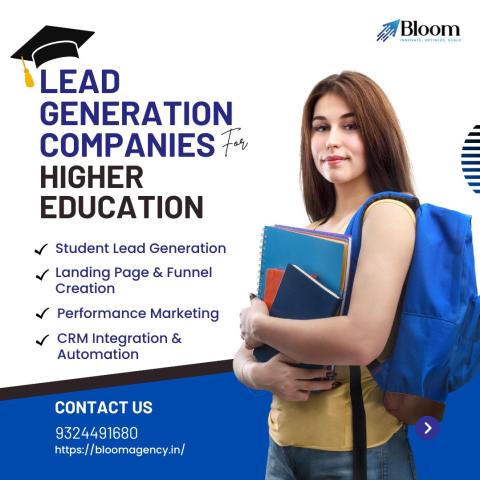
The education industry has become increasingly competitive in recent years. Schools, colleges, universities, coaching institutes, and EdTech companies are all striving to attract the attention of students and parents. In this digital-first era, traditional marketing methods alone are no longer enough. Institutions need a systematic approach to attract, engage, and convert prospective students. This is where Education lead generation becomes a game-changing strategy.
A strong Education lead generation process helps educational institutions identify potential students, nurture their interest, and guide them through the enrollment journey. By implementing effective Education lead generation strategies, institutions can increase admissions, improve marketing ROI, and build sustainable growth.
What Is Education Lead Generation?
Education lead generation refers to the process of attracting prospective students and collecting their contact information through various marketing channels. These leads are individuals who have expressed interest in a course, program, school, college, or educational service.
The purpose of Education lead generation is to create a pipeline of qualified prospects who can eventually become enrolled students. Instead of relying on random inquiries, institutions can use Education lead generation to connect with students who are actively searching for educational opportunities.
Why Education Lead Generation Matters
The modern student journey begins online. Before making an enrollment decision, students and parents often research institutions, compare programs, read reviews, and visit websites. Without an effective Education lead generation strategy, educational institutions risk losing potential students to competitors.
Here are some major benefits of Education lead generation:
- Increases student inquiries and applications
- Improves enrollment conversion rates
- Enhances brand visibility
- Builds trust with prospective students
- Reduces marketing waste
- Creates a predictable admissions pipeline
A well-executed Education lead generation strategy allows institutions to attract the right audience at the right time.
How Education Lead Generation Works
The Education lead generation process typically follows a structured path from awareness to enrollment.
Awareness Stage
The first step in Education lead generation is making prospective students aware of your institution. This can be achieved through SEO, social media marketing, content marketing, paid advertising, and online events.
Interest Stage
Once students discover your institution, they begin exploring courses, campus facilities, faculty credentials, and career opportunities.
Lead Capture Stage
At this stage, Education lead generation focuses on collecting contact information through inquiry forms, downloadable brochures, webinar registrations, or consultation requests.
Lead Nurturing Stage
Most students do not make immediate enrollment decisions. Effective Education lead generation includes nurturing leads through personalized emails, informative content, and follow-up communication.
Enrollment Stage
The final goal of Education lead generation is to convert qualified leads into enrolled students.
Best Channels for Education Lead Generation
Search Engine Optimization (SEO)
SEO is one of the most effective methods for Education lead generation. Students frequently search online for courses, colleges, schools, and educational programs.
By optimizing website content and targeting relevant keywords, institutions can improve search rankings and attract high-intent prospects.
SEO supports long-term Education lead generation by generating consistent organic traffic.
Content Marketing
Content marketing is a powerful tool for Education lead generation. Educational blogs, career guides, admission resources, and student success stories help attract and educate prospective students.
High-quality content establishes authority and supports every stage of the Education lead generation funnel.
Social Media Marketing
Social media platforms provide valuable opportunities for Education lead generation. Students spend significant time on platforms such as Instagram, Facebook, LinkedIn, and YouTube.
Through engaging content and targeted campaigns, institutions can connect with prospective students and generate quality leads.
Pay-Per-Click Advertising
Paid advertising delivers immediate visibility and accelerates Education lead generation efforts. Platforms like Google Ads and Meta Ads allow institutions to target specific demographics and interests.
Well-managed campaigns can generate highly qualified student inquiries and improve admission outcomes.
Email Marketing
Email marketing remains one of the most effective channels for Education lead generation. Personalized email campaigns help institutions nurture leads, answer questions, and maintain engagement throughout the enrollment journey.
Effective Education Lead Generation Strategies
Create Dedicated Landing Pages
Landing pages are essential for successful Education lead generation. They should include:
- Clear course information
- Strong calls-to-action
- Lead capture forms
- Student testimonials
- Mobile-responsive design
A well-designed landing page can significantly improve lead conversion rates.
Offer Free Resources
Providing valuable resources can strengthen Education lead generation efforts. Examples include:
- Admission guides
- Scholarship information
- Course brochures
- Career counseling sessions
- Educational webinars
These resources encourage students to share their contact information.
Implement Marketing Automation
Marketing automation helps streamline Education lead generation by automatically sending emails, tracking interactions, and nurturing leads based on behavior.
Automation ensures consistent communication and improves efficiency.
Showcase Student Success Stories
Testimonials and alumni achievements build credibility and trust. Including real student experiences in Education lead generation campaigns can increase conversions and encourage inquiries.
Common Challenges in Education Lead Generation
Despite its benefits, Education lead generation comes with challenges.
High Competition
The education sector is highly competitive. Institutions must differentiate themselves through unique value propositions and compelling messaging.
Lead Quality Issues
Generating inquiries is not enough. Successful Education lead generation focuses on attracting students who are genuinely interested and likely to enroll.
Long Decision-Making Process
Students and parents often take time to evaluate options. Effective Education lead generation requires ongoing nurturing and communication.
Changing Digital Trends
Technology and consumer behavior continue to evolve. Institutions must regularly update their Education lead generation strategies to remain effective.
Measuring Education Lead Generation Success
To maximize results, institutions should monitor key Education lead generation metrics:
- Website traffic
- Lead conversion rate
- Cost per lead
- Application submissions
- Enrollment rate
- Return on investment (ROI)
Tracking these indicators helps identify opportunities for improvement and optimize future campaigns.
Future of Education Lead Generation
The future of Education lead generation is driven by technology and personalization. Emerging trends include:
- Artificial intelligence (AI) marketing
- Predictive analytics
- Personalized student experiences
- Chatbots and virtual assistants
- Video-first marketing strategies
- Advanced marketing automation
Institutions that embrace these innovations will strengthen their Education lead generation efforts and gain a competitive advantage.
Conclusion
As the education sector becomes increasingly digital, Education lead generation has emerged as one of the most important strategies for student recruitment and enrollment growth. By leveraging SEO, content marketing, social media, paid advertising, and lead nurturing, institutions can attract qualified prospects and guide them toward enrollment.