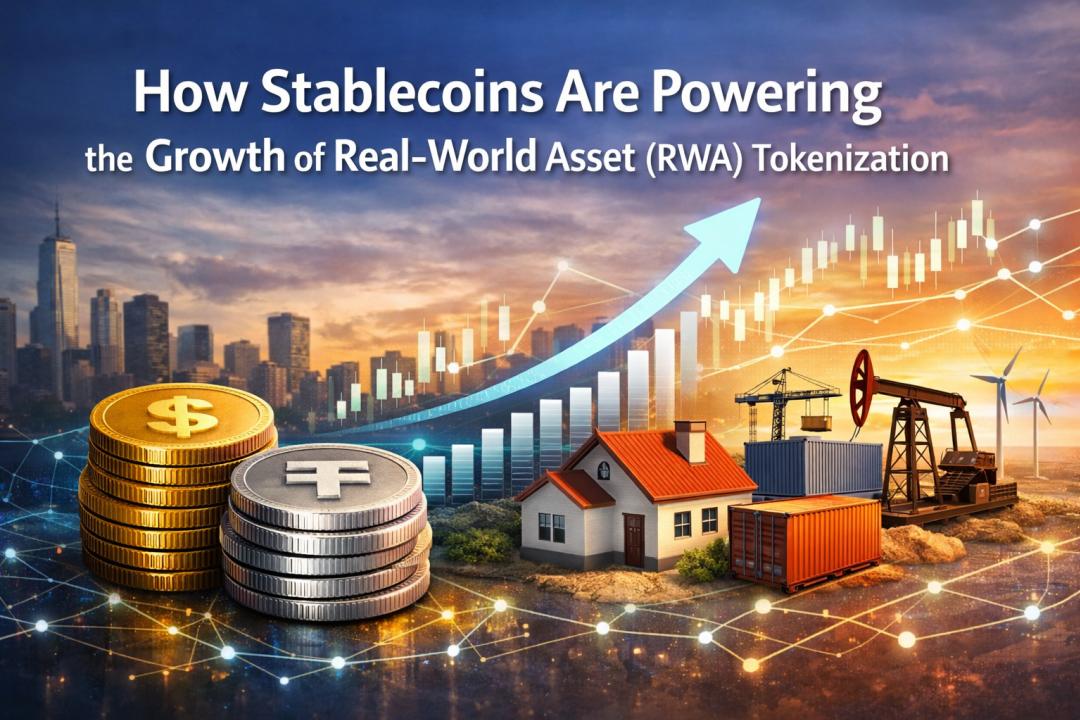
The tokenization of real-world assets (RWAs) has emerged as one of the most transformative developments in the digital asset economy. From real estate and private credit to government bonds, commodities, and infrastructure assets, tokenization is creating new mechanisms for ownership, transferability, and liquidity. However, while blockchain technology provides the foundation for asset digitization, stablecoins are increasingly becoming the financial layer that enables these tokenized ecosystems to function efficiently.
As institutional participation in blockchain networks continues to grow, the relationship between stablecoins and RWA tokenization has become increasingly important. Stablecoins provide the settlement infrastructure, liquidity mechanism, and transactional stability necessary for tokenized assets to operate within both traditional and decentralized financial environments. Without stablecoins, many of the operational advantages associated with RWA tokenization would be significantly reduced.
Why Stablecoins Matter in the RWA Ecosystem
Real-world asset tokenization involves converting ownership rights of physical or financial assets into blockchain-based digital tokens. These assets may represent real estate holdings, treasury securities, invoices, commodities, private equity positions, or other forms of value.
While tokenized assets can be traded on blockchain networks, participants require a reliable medium of exchange to facilitate transactions. Traditional cryptocurrencies such as Bitcoin or Ether are often subject to substantial price fluctuations, making them unsuitable for settlement purposes in institutional asset markets.
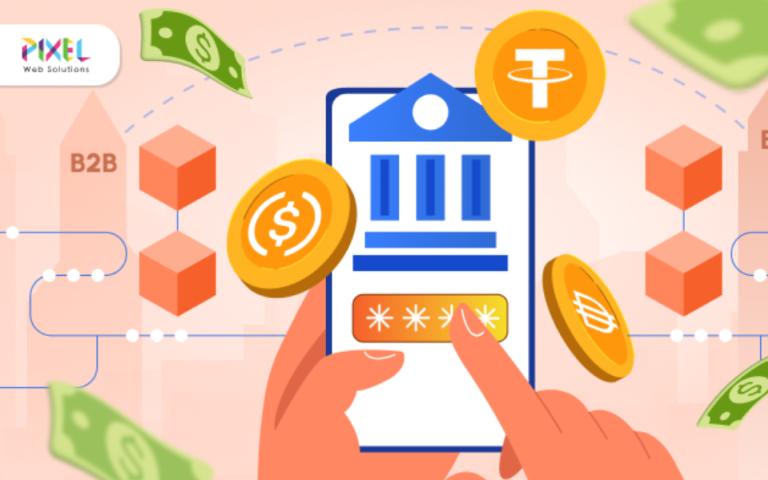
Stablecoins solve this challenge by maintaining a relatively stable value, typically pegged to fiat currencies such as the U.S. dollar. This stability allows investors, issuers, and institutions to transact without being exposed to unnecessary volatility during asset purchases, dividend distributions, interest payments, or secondary market trading.
As a result, stablecoins serve as the bridge between tokenized assets and real-world financial value.
Enhancing Liquidity for Traditionally Illiquid Assets
One of the biggest challenges in traditional finance is the lack of liquidity associated with certain asset classes. Commercial real estate, private debt, infrastructure investments, and fine art often require significant capital commitments and lengthy settlement processes.
Stablecoins contribute to solving this problem by enabling faster and more efficient market participation.
Key liquidity advantages include:
- Instant blockchain-based settlement without dependence on banking hours.
- Reduced transaction friction across jurisdictions.
- Fractional investment opportunities for smaller investors.
- Improved accessibility to global capital pools.
- Simplified secondary market trading mechanisms.
For example, a tokenized commercial property can be divided into thousands of digital ownership units. Investors can purchase these units using stablecoins, allowing transactions to occur almost immediately. This dramatically reduces settlement delays that typically exist in conventional real estate transactions.
The result is a more liquid marketplace where ownership interests can move efficiently between participants without the operational constraints of traditional systems.
Stablecoins as the Settlement Layer for Tokenized Finance
Settlement efficiency is one of the most significant benefits delivered by stablecoins within RWA ecosystems. Traditional asset transactions often involve multiple intermediaries, including custodians, correspondent banks, clearing houses, and settlement agents.
Blockchain-based settlements powered by stablecoins reduce the dependency on these layers of intermediation. Transactions can be executed through smart contracts that automate payment and asset transfers simultaneously.
This creates several operational improvements:
- Near real-time settlement finality.
- Lower counterparty risk exposure.
- Reduced operational costs.
- Greater transparency across transaction lifecycles.
- Enhanced auditability for regulators and institutions.
The emergence of tokenized government securities demonstrates this trend clearly. Financial institutions increasingly use stablecoins to settle transactions involving tokenized treasury products because they provide immediate transfer of value while maintaining predictable pricing.
As blockchain-based capital markets continue to evolve, stablecoins are becoming the default settlement asset for a growing number of tokenized financial instruments.
Supporting Institutional Adoption of Tokenized Assets
Institutional investors require predictability, compliance, and operational efficiency before entering emerging financial markets. Stablecoins help address these requirements by introducing a familiar value framework into blockchain environments.
Many institutions view stablecoins as a practical gateway between conventional financial systems and digital asset infrastructure. Since stablecoins are designed to track fiat currency values, they simplify accounting, reporting, treasury management, and risk assessment processes.
This institutional confidence is encouraging broader participation in RWA tokenization initiatives across sectors such as:
- Government bond tokenization.
- Private credit markets.
- Real estate investment structures.
- Commodity-backed digital assets.
- Cross-border trade finance solutions.
The growing demand for compliant blockchain infrastructure has also created opportunities for specialized technology providers. A reputable Stablecoin Development Company can help enterprises design secure and regulatory-conscious stablecoin ecosystems that support tokenized asset platforms while meeting operational requirements.
As regulatory frameworks mature globally, stablecoins are expected to play an increasingly central role in institutional-grade digital finance.
The Future of Stablecoins and RWA Tokenization
The convergence of stablecoins and real-world asset tokenization is laying the groundwork for a more efficient global financial architecture. Together, these technologies address longstanding inefficiencies related to settlement speed, liquidity fragmentation, accessibility, and operational complexity.
Over the coming years, the market is likely to witness the tokenization of a broader range of assets, including carbon credits, infrastructure projects, intellectual property rights, private market funds, and revenue-generating business assets. Stablecoins will continue to serve as the transactional backbone supporting these emerging markets.
Furthermore, advancements in programmable finance will enable smart contracts to automate income distributions, coupon payments, collateral management, and compliance monitoring. Stablecoins will facilitate these automated financial workflows by providing a stable and interoperable medium of exchange across blockchain networks.
The integration of decentralized finance mechanisms with tokenized real-world assets may also unlock new forms of lending, borrowing, and collateralization. In such environments, stablecoins will function not only as payment instruments but also as liquidity reserves and risk management tools.
Conclusion
Real-world asset tokenization is transforming how value is represented, exchanged, and managed in digital markets. However, the scalability and practicality of tokenized ecosystems depend heavily on reliable financial infrastructure. Stablecoins provide that foundation by enabling stable transactions, efficient settlement, enhanced liquidity, and seamless interoperability between traditional and blockchain-based financial systems.
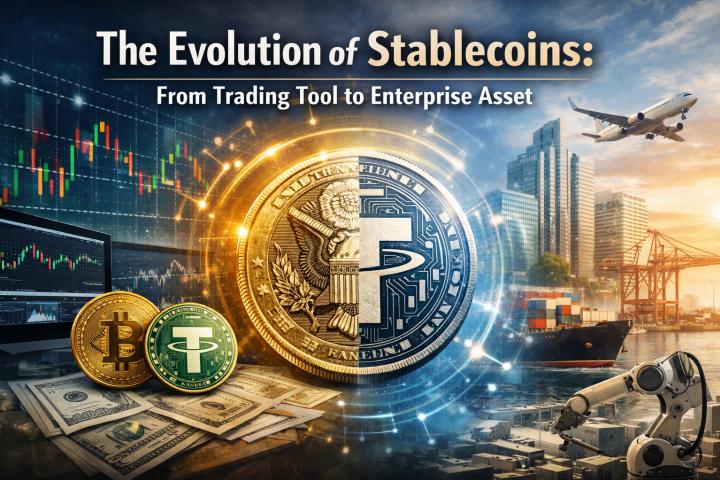
As adoption accelerates across institutional and enterprise sectors, stablecoins are becoming far more than digital representations of fiat currency. They are evolving into critical components of next-generation capital markets. Their role in facilitating RWA tokenization will continue to expand, helping bridge the gap between traditional finance and the emerging tokenized economy while unlocking new opportunities for global investment and asset accessibility.