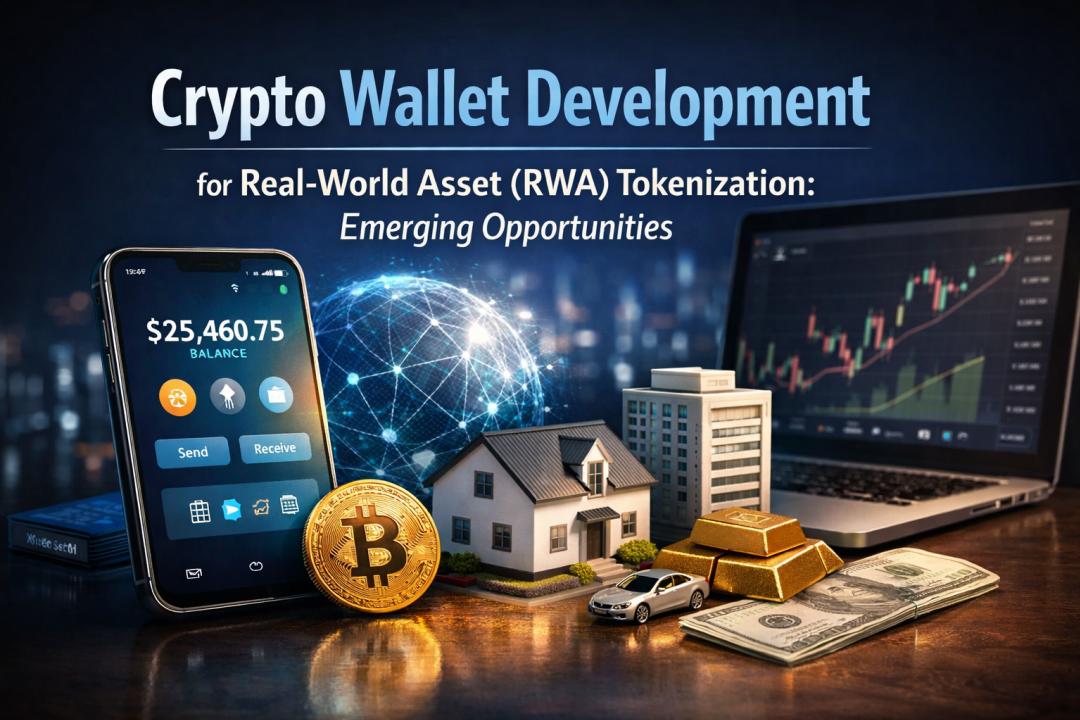
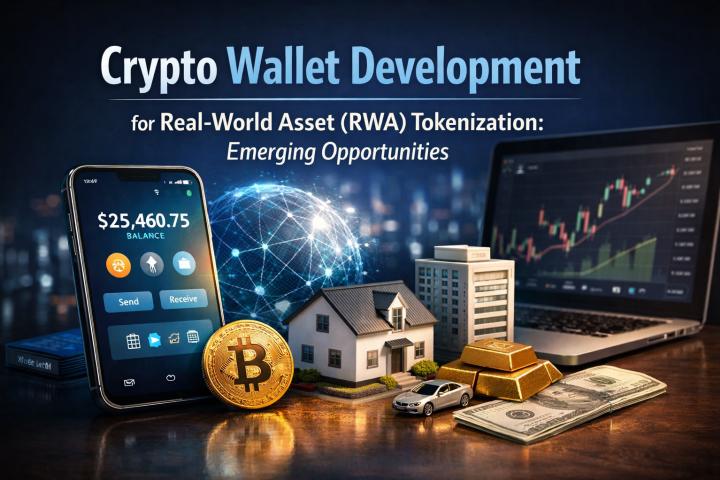
The tokenization of real-world assets (RWAs) is rapidly transforming how traditional financial and physical assets are represented, traded, and managed in digital ecosystems. From real estate and government bonds to commodities, invoices, and private equity, tokenization enables tangible assets to be converted into blockchain-based digital representations. While significant attention is often given to tokenization platforms and smart contract infrastructure, the role of crypto wallets is becoming equally critical.
As the RWA market expands, crypto wallets are evolving beyond simple storage tools into sophisticated financial access layers that facilitate ownership verification, compliance management, asset transfers, and investor participation. This shift is creating new opportunities for organizations involved in wallet infrastructure, custody solutions, and digital asset management.
Why Wallet Infrastructure Matters in the RWA Ecosystem
Unlike traditional cryptocurrencies, tokenized real-world assets operate within a framework that combines blockchain technology with regulatory obligations and legal ownership rights. Investors need a secure mechanism to hold, transfer, and monitor these assets while maintaining compliance with jurisdiction-specific regulations.
Crypto wallets serve as the primary gateway through which users interact with tokenized assets. Whether an investor owns a fractional share of a commercial property or tokenized treasury bonds, the wallet becomes the interface that connects digital ownership records with real-world economic value.
The increasing sophistication of RWA ecosystems requires wallets to support features such as identity verification, asset categorization, transaction permissions, and audit-ready reporting. Consequently, wallet architecture is becoming a strategic component of institutional-grade tokenization initiatives.
Key Functional Requirements for RWA-Focused Wallets
Traditional cryptocurrency wallets were designed primarily for digital currencies and decentralized applications. RWA tokenization introduces additional operational and compliance requirements that demand more advanced functionality.
Some of the most important capabilities include:
- Integrated Know Your Customer (KYC) and Anti-Money Laundering (AML) verification.
- Support for security tokens and regulated digital asset standards.
- Permissioned transaction controls based on investor eligibility.
- Asset-specific reporting and ownership documentation.
- Multi-signature authorization for institutional transactions.
- Cross-chain interoperability for diverse tokenization networks.
These features help bridge the gap between decentralized blockchain environments and regulated financial markets. As adoption increases, organizations investing in a robust Crypto Wallet Development Company can position themselves to address the growing demand for compliant digital asset infrastructure.
Institutional Adoption Is Driving Wallet Innovation
Financial institutions entering the tokenization space are introducing new expectations for wallet technology. Banks, asset managers, and investment firms require enterprise-grade security, governance frameworks, and operational transparency.
Institutional investors often manage diversified portfolios containing multiple classes of tokenized assets. This creates a need for wallets capable of handling complex ownership structures while maintaining seamless user experiences.
Several innovation areas are emerging:
- Custodial and non-custodial hybrid wallet models.
- Hardware-backed key management systems.
- Policy-based transaction authorization workflows.
- Integration with digital identity frameworks.
- Automated compliance monitoring and reporting mechanisms.
These advancements are transforming wallets into comprehensive asset management environments rather than simple transaction tools. The convergence of blockchain infrastructure and traditional financial controls is creating an entirely new category of digital asset products.
The Rise of Fractional Ownership and Global Investment Access
One of the most significant advantages of RWA tokenization is the ability to fractionalize traditionally illiquid assets. High-value assets that were previously inaccessible to retail investors can now be divided into smaller digital units and distributed globally.
This democratization of investment opportunities places additional importance on wallet functionality. Investors require clear visibility into ownership percentages, valuation metrics, dividend distributions, and transaction histories.
Modern wallet solutions are increasingly incorporating portfolio intelligence capabilities that enable users to:
Track multiple asset classes within a single interface, monitor performance metrics in real time, receive automated notifications regarding asset events, and access ownership records linked to underlying legal agreements.
As global participation in tokenized asset markets grows, user experience will become a critical differentiator. Wallet providers that can simplify complex investment processes without compromising security will likely capture significant market share.
Compliance, Security, and Interoperability Challenges
Despite the promising outlook, several challenges continue to shape the evolution of RWA wallet solutions. Regulatory uncertainty remains one of the most significant barriers to large-scale adoption. Different jurisdictions apply varying classifications and compliance obligations to tokenized assets.
Wallet providers must therefore build adaptable architectures capable of supporting changing regulatory requirements. Compliance functionality can no longer be treated as an optional feature; it must be embedded directly into the wallet infrastructure.
Security considerations are equally important. Since tokenized assets represent ownership rights linked to real economic value, wallet breaches could have legal and financial consequences that extend beyond blockchain networks.
Additionally, interoperability remains a major concern. The tokenization ecosystem currently spans multiple blockchain platforms, each with its own standards, protocols, and governance structures. Wallets that can seamlessly support assets across different chains will provide a substantial competitive advantage as the market matures.
Addressing these challenges requires a combination of secure architecture design, regulatory expertise, and scalable infrastructure development.
The Future Outlook for RWA Wallet Development
The next phase of blockchain adoption is increasingly centered on real-world utility rather than purely speculative digital assets. As tokenized securities, real estate, commodities, and private market investments become more mainstream, wallet technology will play a foundational role in enabling participation.
Future wallet platforms are expected to integrate advanced capabilities such as decentralized identity management, programmable compliance engines, AI-powered risk monitoring, and automated asset servicing functions. These developments will help create a more seamless connection between traditional financial systems and decentralized networks.
The growing institutional interest in tokenized assets suggests that wallet development will become a strategic focus area for technology providers, financial institutions, and blockchain enterprises alike. Organizations that recognize the evolving requirements of RWA ecosystems today will be better positioned to capitalize on tomorrow's digital asset economy.
As tokenization continues to reshape capital markets, crypto wallets will emerge as one of the most important infrastructure layers supporting secure ownership, regulatory compliance, and efficient asset accessibility across global markets.