
The crypto industry continues to grow rapidly in 2026. Businesses, startups, gaming platforms, DeFi projects, and Web3 applications are launching their own crypto tokens to raise funds, build communities, reward users, and create decentralised ecosystems. Thanks to modern blockchain technology, creating a crypto token is now more accessible than ever.
However, choosing the right blockchain and following the correct development process are essential for long-term success. Ethereum, BNB Chain, and Solana remain the three most popular blockchain networks for token creation due to their security, scalability, and large developer communities.
If you're planning to launch a cryptocurrency, this guide explains everything you need to know—from selecting the right blockchain to deploying your token successfully. It also highlights why working with an experienced token development company can help you avoid costly mistakes and speed up your launch.
Why Businesses Are Creating Crypto Tokens in 2026
Crypto tokens have become valuable digital assets that power decentralized applications and online communities. Companies across multiple industries are using tokens to support innovative business models.
Some common use cases include:
- Decentralized Finance (DeFi)
- NFT marketplaces
- Gaming and metaverse platforms
- Loyalty and reward programs
- Asset tokenization
- Crowdfunding and fundraising
- Governance and voting systems
- Cross-border payments
As blockchain adoption grows, tokens are becoming an important part of digital business strategies.
Step 1: Define Your Token's Purpose
Before writing a single line of code, identify why your token exists.
Ask yourself:
- What problem does the token solve?
- Who will use it?
- Will it have utility, governance, or payment functions?
- How will users benefit from holding it?
- What makes it different from existing tokens?
A clear purpose helps create stronger tokenomics and increases user trust.
Step 2: Choose the Right Blockchain
Your blockchain selection affects transaction speed, fees, scalability, and compatibility.
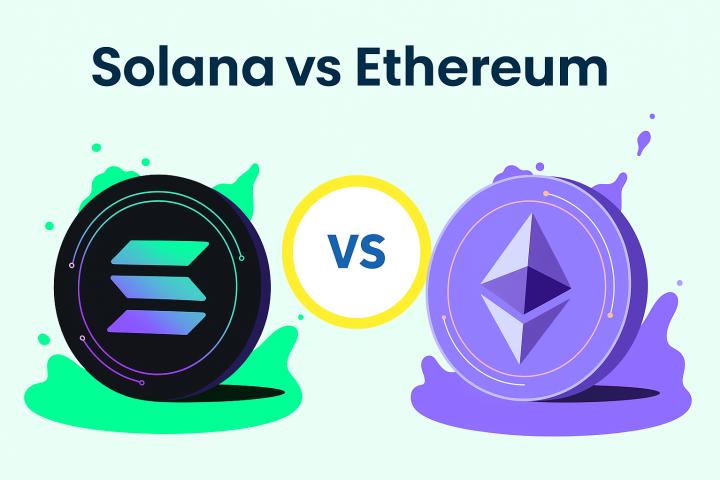
Ethereum
Ethereum remains the leading blockchain for decentralized applications.
Advantages
- Highly secure
- Massive developer community
- Strong ecosystem
- Wide wallet support
- Trusted by investors
Ideal for
- DeFi projects
- DAO platforms
- NFT ecosystems
- Enterprise blockchain applications
Ethereum tokens typically follow the ERC-20 standard.
BNB Chain
BNB Chain offers lower transaction costs and faster confirmations than Ethereum.
Advantages
- Low gas fees
- Fast transactions
- Excellent compatibility with Ethereum tools
- Large DeFi ecosystem
Ideal for
- Startup projects
- Utility tokens
- Gaming
- Community tokens
Most tokens follow the BEP-20 standard.
Solana
Solana has become one of the fastest blockchain networks available.
Advantages
- Extremely high transaction speed
- Very low transaction fees
- Excellent scalability
- Growing developer ecosystem
Ideal for
- High-volume applications
- Gaming platforms
- AI-powered blockchain projects
- Real-time financial applications
Most Solana tokens use the SPL Token standard.
Step 3: Design Your Tokenomics
Tokenomics determine how your cryptocurrency functions over time.
Important considerations include:
- Total token supply
- Initial circulating supply
- Inflation or deflation model
- Token distribution
- Vesting schedules
- Team allocation
- Community rewards
- Liquidity allocation
- Staking rewards
Well-designed tokenomics improve investor confidence and help maintain a healthy ecosystem.
Step 4: Develop the Smart Contract
The smart contract controls how your token operates.
It defines:
- Token creation
- Minting
- Burning
- Transfers
- Ownership
- Supply limits
- Permission management
Developers generally use:
- Solidity for Ethereum
- Solidity for BNB Chain
- Rust for Solana
Every smart contract should be carefully tested before deployment.
Step 5: Perform Security Audits
Security remains one of the most critical aspects of token development.
Without proper testing, vulnerabilities may expose your project to hackers.
A professional audit checks for:
- Coding errors
- Overflow issues
- Permission flaws
- Reentrancy attacks
- Security loopholes
- Gas optimization
A security audit significantly increases user confidence before launch.
Step 6: Deploy the Token
Once testing is complete, deploy the smart contract to your chosen blockchain.
Deployment involves:
- Paying deployment fees
- Verifying smart contracts
- Configuring token parameters
- Publishing contract details
- Testing live functionality
After deployment, your token officially exists on the blockchain.
Step 7: List Your Token
Visibility is important after launch.
Many projects list their tokens on:
- Decentralized exchanges (DEXs)
- Centralized exchanges (CEXs)
- Coin tracking platforms
- Blockchain explorers
- Wallet applications
Creating liquidity pools also helps users trade your token immediately.
Step 8: Build a Strong Community
Technology alone cannot guarantee success.
Most successful crypto projects invest heavily in community building.
Popular channels include:
- X (Twitter)
- Telegram
- Discord
- Medium
Regular updates, transparency, and active engagement help build long-term trust.
Ethereum vs BNB Chain vs Solana
| Feature | Ethereum | BNB Chain | Solana |
| Token Standard | ERC-20 | BEP-20 | SPL |
| Transaction Cost | High | Low | Very Low |
| Speed | Moderate | Fast | Very Fast |
| Security | Excellent | High | High |
| Scalability | Good | Very Good | Excellent |
| Best For | Enterprise & DeFi | Startups | High-Speed Applications |
Each blockchain offers unique advantages. The right choice depends on your business goals, target audience, and budget.
Why Work with a Token Development Company?
Although token creation tools are widely available, launching a successful crypto project requires much more than deploying a smart contract.
An experienced token development company provides:
- Blockchain consulting
- Smart contract development
- Tokenomics planning
- Security audits
- Wallet integration
- Exchange listing assistance
- Whitepaper support
- Ongoing maintenance
- Regulatory guidance
Professional developers help reduce technical risks while ensuring your token is scalable and secure.
Common Mistakes to Avoid
Many new blockchain projects fail because of avoidable mistakes.
Some of the most common include:
- Choosing the wrong blockchain
- Poor tokenomics
- Skipping security audits
- Weak community engagement
- Unrealistic roadmap
- No legal planning
- Poor liquidity management
Planning significantly improves the chances of a successful token launch.
Final Thoughts
Creating a crypto token in 2026 involves much more than writing code. From selecting the right blockchain to designing tokenomics, securing smart contracts, and building a loyal community, every step plays a vital role in your project's success.
Whether you choose Ethereum for its mature ecosystem, BNB Chain for affordability, or Solana for speed and scalability, careful planning is essential. Partnering with a trusted token development company can simplify the development process and help you launch a secure, scalable, and market-ready token.
If you're looking for end-to-end token development services, Wisewaytec can help transform your blockchain idea into reality. From strategy and smart contract development to deployment, auditing, and post-launch support, Wisewaytec delivers customised blockchain solutions that align with your business objectives and help you confidently enter the Web3 ecosystem.
Frequently Asked Questions
1. How much does it cost to create a crypto token in 2026?
The cost depends on the blockchain, token complexity, smart contract features, security audits, and additional services such as wallet integration and exchange listing. Simple token projects may cost a few thousand dollars, while enterprise-level solutions require larger investments.
2. Which blockchain is best for creating a crypto token?
Ethereum is ideal for security and enterprise applications; BNB Chain offers low fees and fast transactions, while Solana is best for high-performance and scalable blockchain applications.
3. Do I need coding knowledge to launch a crypto token?
Basic tokens can be created using no-code platforms, but professional projects typically require experienced blockchain developers to build secure smart contracts, perform audits, and ensure long-term scalability.
4. How long does it take to develop a crypto token?
A standard token can be developed within a few weeks, while projects with custom smart contracts, advanced tokenomics, audits, and platform integrations may take several months.
5. Why choose Wisewaytec as your token development company?
Wisewaytec offers end-to-end blockchain development services, including token creation, smart contract development, security audits, wallet integration, exchange support, and ongoing technical maintenance. The team focuses on delivering secure and scalable blockchain solutions tailored to business needs.