Introduction
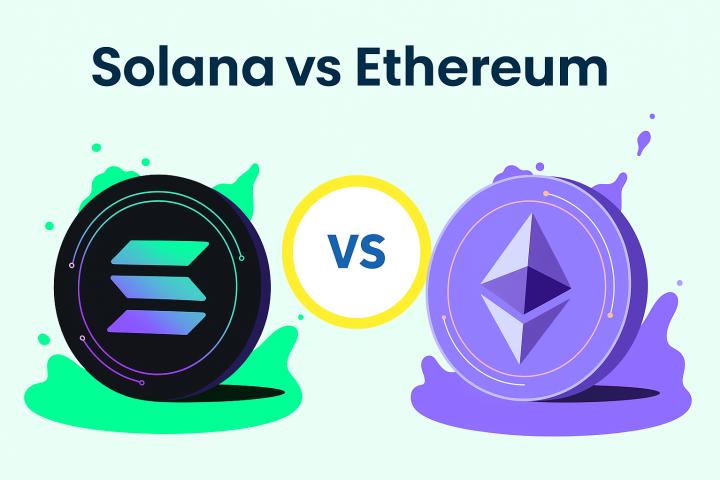
The Web3 ecosystem is evolving rapidly, with blockchain networks such as Ethereum, Bitcoin, BNB Chain, Solana, Polygon, Avalanche, and Arbitrum powering a wide range of decentralized applications, DeFi platforms and NFT marketplaces. The rise of multiple blockchain platforms has increased the demand for wallets that offer seamless cross-network asset management.
This growing demand has made multi-chain crypto wallet development an essential component of modern blockchain solutions. It enables users to manage digital assets, interact with decentralized applications, and perform transactions across multiple blockchain networks from a single interface. For modern Web3 businesses, investing in a multi-chain wallet is a strategic move that enhances user experience, expands market reach, and supports long-term growth.
Benefits of Multi-Chain Crypto Wallet Development
Multi-chain crypto wallet development is the process of creating a cryptocurrency wallet that supports multiple blockchain networks within a single application. Instead of requiring separate wallets for different cryptocurrencies, users can securely store, send, receive, and manage digital assets across various blockchains from one platform.
Enhanced User Convenience: Managing assets across multiple blockchain networks with separate wallets can be complex, time-consuming, and less convenient for users. A multi-chain wallet simplifies this process by allowing users to access all their digital assets from a single application.
Benefits include:
One wallet for multiple cryptocurrencies
Easy asset management
Faster transactions
Simplified portfolio tracking
This improved user experience increases customer satisfaction and platform engagement.
Access to Multiple Blockchain Ecosystems: Each blockchain offers unique advantages, including lower transaction fees, faster processing speeds, or specialized decentralized applications.
A multi-chain wallet enables users to participate in:
DeFi protocols
NFT marketplaces
Blockchain gaming platforms
Cross-chain token swaps
Decentralized exchanges (DEXs)
Supporting multiple ecosystems gives businesses greater flexibility to serve a wider audience.
Wider market reach: Different regions and user communities often prefer specific blockchain networks. For example, some users primarily use Ethereum, while others favor Solana or BNB Chain.
By supporting multiple blockchains, businesses can:
Reach a global user base
Attract more customers
Increase wallet adoption
Improve customer retention
This broader accessibility creates more opportunities for growth.
Improved Business Scalability: The blockchain industry continues to evolve with new networks emerging regularly. A multi-chain wallet provides the flexibility to integrate additional blockchain networks as market demand changes.
This scalability helps businesses:
Expand service offerings
Support emerging cryptocurrencies
Adapt to industry trends
Stay competitive in the Web3 ecosystem
Seamless Web3 Integration: Modern Web3 businesses require wallets that connect effortlessly with decentralized applications.
Multi-chain wallets support:
WalletConnect integration
Smart contract interactions
DAO participation
NFT trading
DeFi lending and borrowing
Cross-chain decentralized applications
This compatibility strengthens the wallet's role within the wider Web3 ecosystem.
Higher Security Standards: Security remains one of the biggest priorities in crypto wallet development.
Modern multi-chain wallets implement advanced security features such as:
End-to-end encryption
Private key management
Multi-factor authentication (MFA)
Biometric authentication
Secure backup and recovery
Transaction verification
Implementing these security measures helps minimize risks and ensures the safe management of digital assets across multiple blockchains.
Increased Revenue Opportunities: For Web3 businesses, a multi-chain wallet can generate revenue through various channels, including:
Transaction fees
Token swap commissions
Premium wallet subscriptions
NFT marketplace integrations
Staking services
DeFi platform partnerships
API licensing
Supporting multiple blockchain ecosystems allows businesses to diversify revenue streams.
Conclusion
As the Web3 ecosystem continues to expand, users expect seamless access to multiple blockchain networks through a single, secure platform. By building a secure, feature-rich, and future-ready multi-chain wallet, businesses can deliver exceptional user experiences and establish a strong position in the evolving blockchain and Web3 landscape.
Reliable crypto wallet development services enable businesses to create secure multi-chain wallets that enhance usability, support multiple blockchain networks, and drive growth in the evolving Web3 landscape.