Every business that runs on electricity faces the same question sooner or later. Should it keep paying the grid, or should it generate its own power? For farms, agribusinesses, and rural enterprises, this question has a special angle, because the land itself can become a power source. This article looks at both options in plain language and helps you understand which one actually saves more money over time.
What Is an Agri Solar Panel Setup
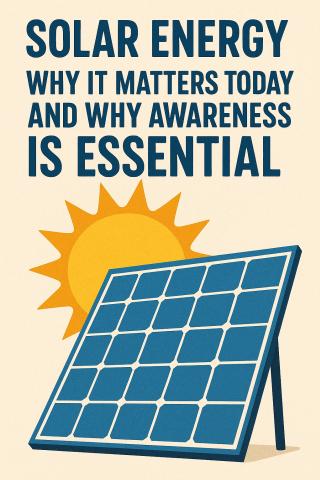
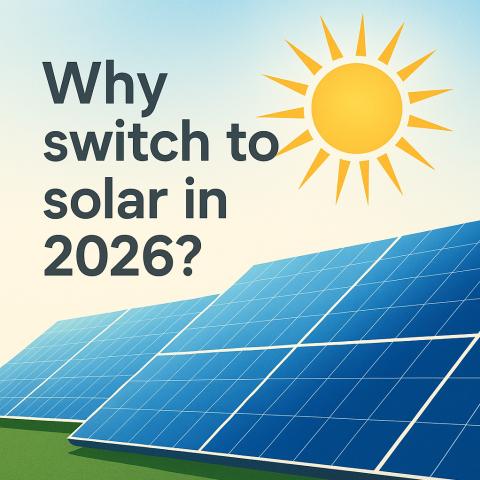
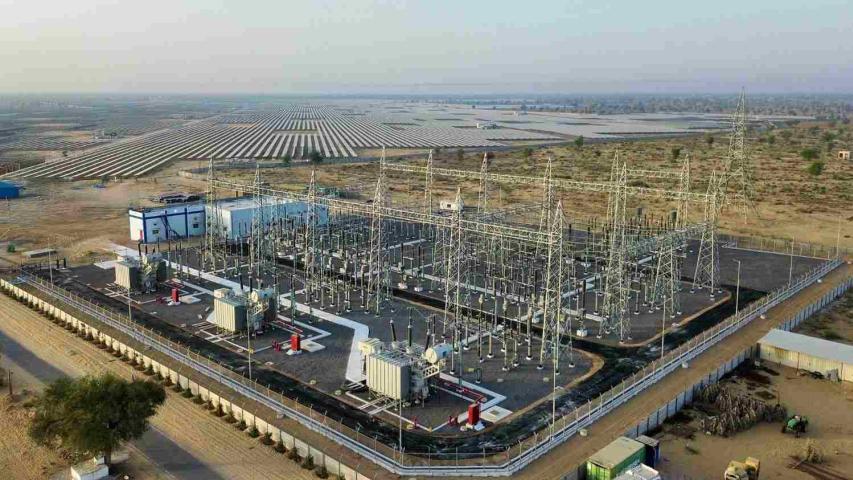
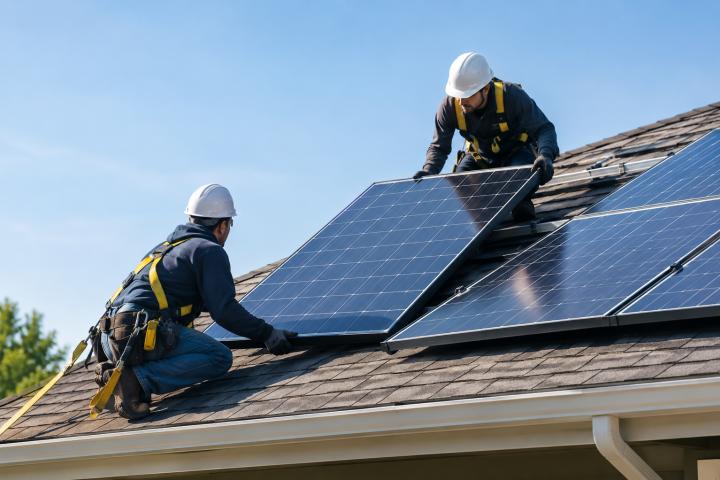
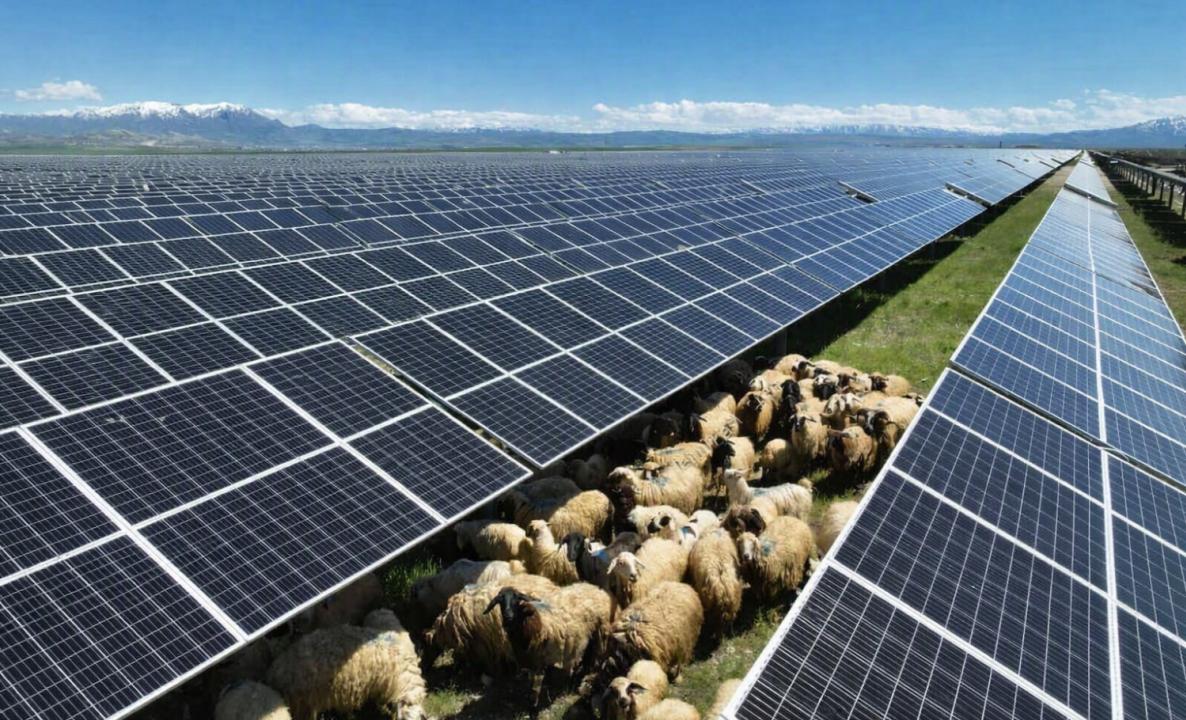
An agri solar panel system is simply a set of solar panels installed on farmland, often placed above crops, along field borders, or on unused patches of land. Unlike a typical rooftop solar system, these setups work alongside farming activity rather than replace it. The panels generate electricity while the land underneath can still be used for crops, storage sheds, or livestock shade. For agribusinesses that already own large stretches of land, this dual use makes solar a practical investment rather than an extra expense.
Understanding Grid Power Costs for Businesses
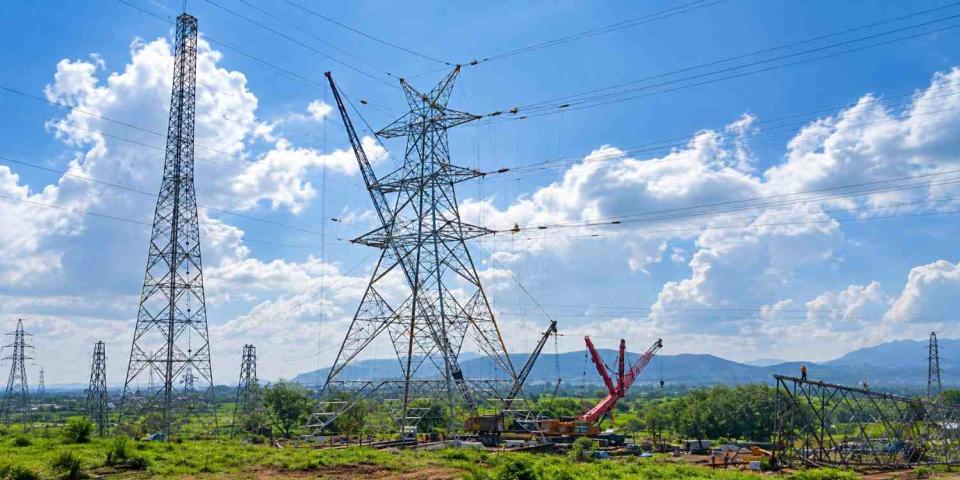
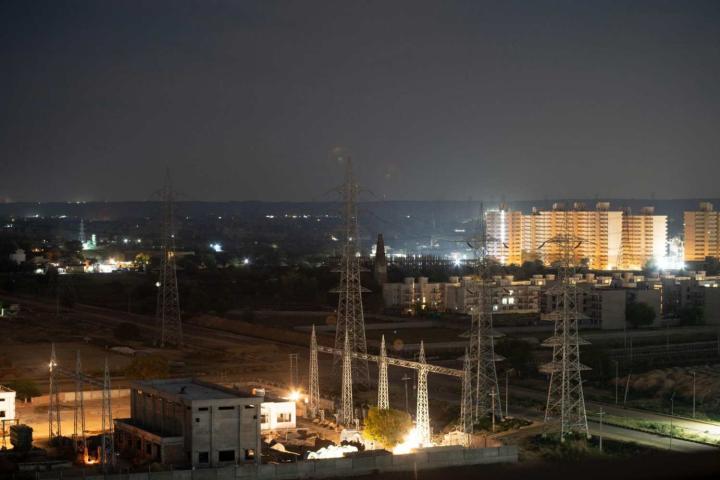
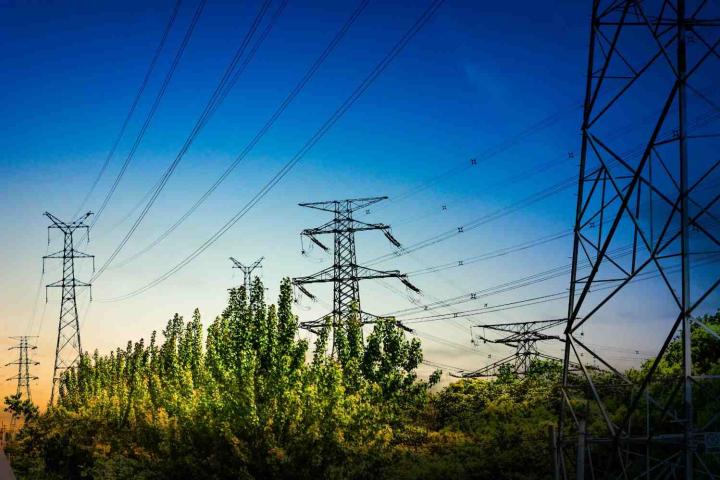
Grid power is the electricity supplied by the local utility company through transmission lines. It is convenient since there is no upfront installation, but the cost adds up steadily every month. Businesses pay based on consumption, and rates usually rise during peak seasons. Rural and agricultural businesses often face an added problem, unstable supply. Voltage fluctuations and seasonal load shedding can disrupt irrigation pumps, cold storage, or processing units, leading to indirect losses that never show up on the electricity bill itself.
Comparing the Two Options
When you place solar and grid power side by side, three factors matter most, cost, reliability, and long term value.
Upfront investment
Grid power needs little to no initial cost apart from a connection fee. Solar panels require a larger upfront investment, though many regions offer subsidies, tax credits, or low interest loans for agricultural solar projects that bring this cost down.
Running cost
Once installed, a solar system has low maintenance costs and no monthly bill for the power it generates. Grid power is a continuous expense that never stops, and tariffs tend to rise almost every year.
Reliability
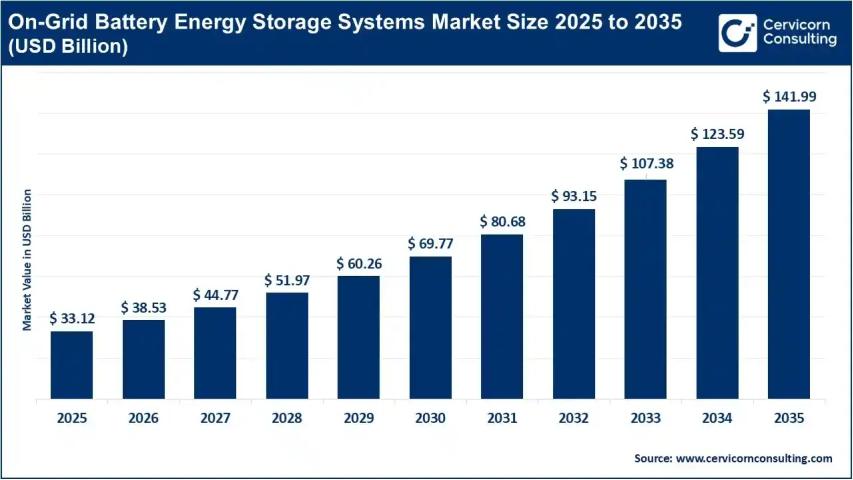
Grid power depends on external infrastructure, which can fail during storms or high demand periods. A solar setup, especially with battery storage, gives a business more control over its own supply, which matters for time sensitive tasks like irrigation scheduling or cold storage.
Break even period
Most agricultural solar installations pay for themselves within four to seven years, depending on system size, sunlight hours, and local rates. After that, the electricity generated costs very little beyond basic upkeep.
Where Agrisolar Fits Into the Picture
The idea of agrisolar, which combines farming and solar energy generation on the same land, is gaining attention because it solves two problems at once. It gives farmers a second income stream from the same plot without taking that land out of agricultural use. Some crops, particularly leafy greens and shade tolerant plants, have shown better resilience under partial shading, since panels can reduce heat stress and water loss. For businesses, this means the land does more than one job at a time.
Case Study 1: Alaska agrivoltaics research project
In Alaska's Matanuska-Susitna Valley, researchers from the University of Alaska Fairbanks partnered with solar developer Renewable IPP to study an 8.5 megawatt solar array built in 2023. The project tracks both energy output and the health of crops and native berry plants growing between the panel rows, aiming to build a practical model for rural businesses that need reliable power despite unpredictable grid supply.
Case Study 2: Virginia's first crop based agrivoltaics project
In late 2025, the Piedmont Environmental Council completed Virginia's first crop-based agrivoltaics installation, combining active crop production with solar generation on the same farmland. The project was designed to help local agricultural businesses cut dependence on utility power while keeping the land in active use, proving the model works well beyond the desert climates usually linked to solar projects.
Which Option Actually Saves More
For a small business with low, steady power needs, grid power might stay simpler in the short term. But for agricultural businesses with large energy demands or land that is only partially used, an agri solar panel system tends to save more money over its lifetime. Reduced bills, government incentives, and added land productivity usually outweigh the higher starting cost. The savings are not always visible in year one, but they compound as grid rates rise and the solar system keeps generating power at little extra cost.
Conclusion
Choosing between grid power and an agri solar panel setup is not just a financial decision, it is a decision about how a business wants to operate over the next decade. Grid power offers simplicity, while solar offers long term savings and independence. Many agricultural businesses now use hybrid models, keeping the grid as backup while relying mainly on solar generation. If you want to see where this industry is heading, attending a local solar energy conference is a practical way to learn directly from developers and business owners who have already made the switch.
Frequently Asked Questions
Q1. Is an agri solar panel system suitable for small farms as well as large businesses?
Yes. System size can be scaled to match the land available and the energy needs of the business.
Q2. Does installing solar panels reduce the amount of land available for farming?
Not necessarily. Many designs raise the panels high enough or space them wide enough for crops and livestock to keep using the land underneath.
Q3. How long does it take to recover the cost of a solar installation?
Most agricultural solar systems break even within four to seven years, depending on system size, local rates, and available subsidies.
Q4. Can a business use both grid power and solar power together?
Yes. A hybrid setup is common, where solar covers daily operations and the grid acts as backup during low sunlight periods.
Q5. Do solar panels affect crop yield under the panels?
Results vary by crop and design, but certain shade tolerant crops have shown improved yields due to reduced heat and water stress.