A few months ago I tried to find a photo from my cousin's wedding in 2016. I knew it existed. I remembered taking it. But it was buried somewhere between an old phone I'd upgraded from three times, a cloud account I'd half-forgotten the password to, and a hard drive that may or may not still spin up. I never found it.
That's not a rare story anymore. It's basically everyone's story.
We take more photos than ever, and see almost none of them again
The average person now has thousands of photos sitting on their phone, most of which are never printed, rarely revisited, and quietly at risk of vanishing the moment a phone breaks, a subscription lapses, or a cloud account gets deactivated. We've traded scarcity for volume — instead of thirty carefully chosen photos from a birthday, we have four hundred, and somehow we remember fewer of them than our parents remembered from their thirty.
Photos on a phone aren't really "kept." They're stored, technically, until they're not. A cracked screen, a forgotten backup, a platform shutting down or changing its policy — any of these can mean years of photos disappear in an afternoon, and most people don't realize how exposed they are until it happens to them.
Why printed albums are having a real moment again
This isn't nostalgia marketing. It's a practical reaction to a real problem, and a few things are driving it:
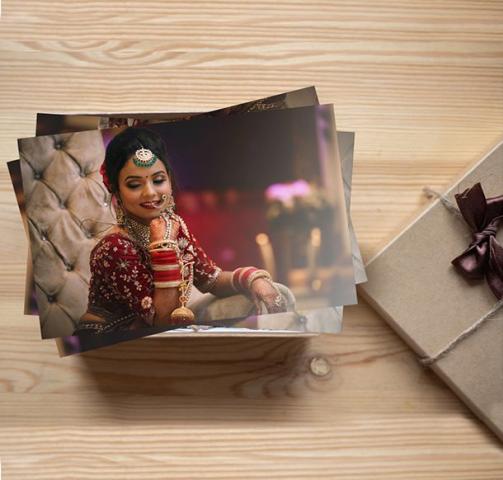
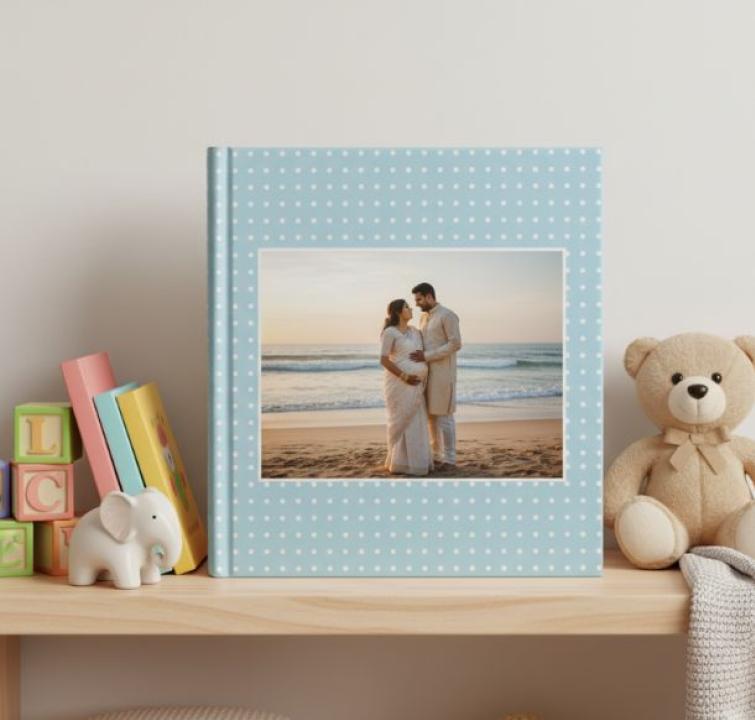
People are tired of "digital clutter." Scrolling through a camera roll to find one photo, past six hundred near-duplicates and screenshots, isn't a pleasant experience. A printed photo books has no clutter. Every photo in it was chosen on purpose.
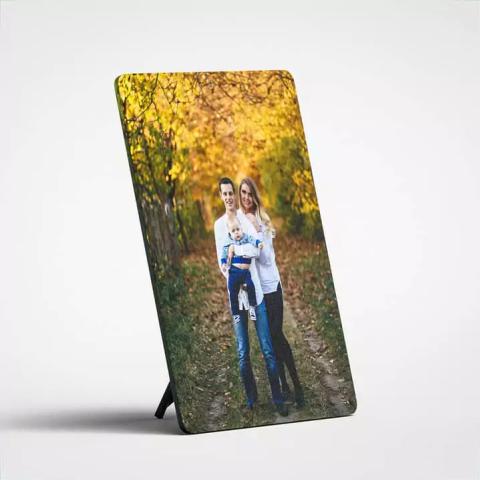
Photos on a shelf get looked at. Photos on a phone don't. This is the simplest reason, and probably the truest one. A photo saved on a device competes with notifications, apps, and everything else demanding your attention. A photo album sitting on a coffee table doesn't compete with anything — it just gets picked up.
They're not dependent on a company staying in business. Cloud storage is a subscription, not a possession. If you stop paying, or the service shuts down, or your account gets locked for some unrelated reason, the photos can go with it. A printed album doesn't need a login.
They've become a way to actually finish the memory. Taking the photo is step one. Curating it, printing it, and putting it somewhere you'll see it again is what actually turns a photo into a memory you keep. Most digital photos never get that second step.
They're genuinely better gifts. A photo album for a parent, a grandparent, or a partner lands differently than almost anything else you could buy, because it's specific to them in a way nothing off a shelf can be.
It's not about rejecting digital, it's about backing it up properly
Nobody's suggesting you stop taking photos on your phone — that's not realistic and it's not the point. The shift is more about treating digital photos as a temporary holding place rather than the final destination. Take the photos digitally, then once or twice a year, pull out the best of them and actually do something permanent with them.
That's really the whole idea behind a physical photo album in 2026: not undoing digital photography, but finishing what it started.
If you've got a phone full of photos you keep meaning to "do something with," turning your favorites into a proper photo album is a good place to start. It doesn't take long, and unlike the version sitting on your phone, it won't be gone the next time your phone dies or you forget a password.
Some memories deserve more than a folder. They deserve a shelf.