The New Normal of Technological Advancement
The world has entered a phase of rapid and relentless technological advancement. What was considered cutting-edge five years ago is now outdated, and what seems like science fiction today is quickly becoming reality. This constant state of flux can be both exciting and daunting. On one hand, innovation brings solutions to age-old problems, improves quality of life, and opens doors to new possibilities. On the other hand, keeping pace with change requires effort, adaptability, and a willingness to unlearn and relearn. For those who feel overwhelmed, the key is not to try to know everything but to know where to find reliable information. That is where resources like Technegraph become invaluable—they serve as a compass in the vast and often confusing world of technology.
The Convergence of Physical and Digital Worlds
One of the most fascinating developments of our time is the convergence of the physical and digital realms. Augmented reality (AR) and virtual reality (VR) are blurring the lines between what is real and what is simulated. These technologies are no longer confined to gaming and entertainment; they are being used in education, healthcare, real estate, and retail. For example, medical students can now practice complex surgical procedures in a risk-free virtual environment. Homebuyers can take immersive tours of properties without leaving their living rooms. Retailers are using AR to allow customers to visualize how furniture would look in their homes before making a purchase. This blending of worlds is creating new experiences and redefining how we interact with information and each other.
The Rise of Intelligent Systems
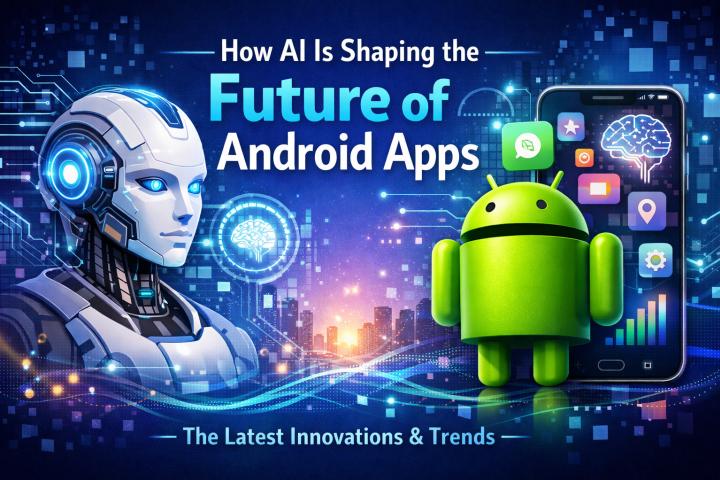
Artificial intelligence has moved from the realm of theory to practical application. Intelligent systems are now embedded in our everyday lives, often without us even realizing it. From the recommendations we receive on streaming platforms to the predictive text on our smartphones, AI is working behind the scenes to make our lives more convenient. In the business world, AI is being used to automate routine tasks, analyze massive datasets, and generate insights that were previously impossible to uncover. However, the rise of AI also raises important questions about the future of work. While some jobs will inevitably be automated, new roles will emerge that require human judgment, creativity, and emotional intelligence. The key is to embrace AI as a tool that augments human capabilities rather than a threat that replaces them.
Cybersecurity in an Interconnected Age
As our world becomes more connected, the importance of cybersecurity cannot be overstated. Cyber threats are evolving in sophistication and scale, targeting individuals, businesses, and even governments. Data breaches, ransomware attacks, and identity theft are constant risks in the digital landscape. Protecting sensitive information requires a multi-layered approach that includes robust technology, employee training, and a culture of security awareness. For individuals, simple practices like using strong passwords, enabling two-factor authentication, and being cautious about phishing attempts can go a long way. For organizations, investing in cybersecurity is not just about compliance but about safeguarding reputation and maintaining customer trust.
The Human Element in Technology
Amid all the talk of algorithms, data, and automation, it is important not to lose sight of the human element. Technology is created by humans for humans, and its ultimate purpose should be to enhance human well-being. This means designing products and services that are inclusive, accessible, and ethical. It means considering the social and environmental impact of technological innovations. And it means ensuring that the benefits of technology are distributed equitably across society. The most successful innovations are those that solve real problems and improve lives in meaningful ways. By keeping people at the center of technological development, we can build a future that is not only smarter but also more compassionate.
Conclusion
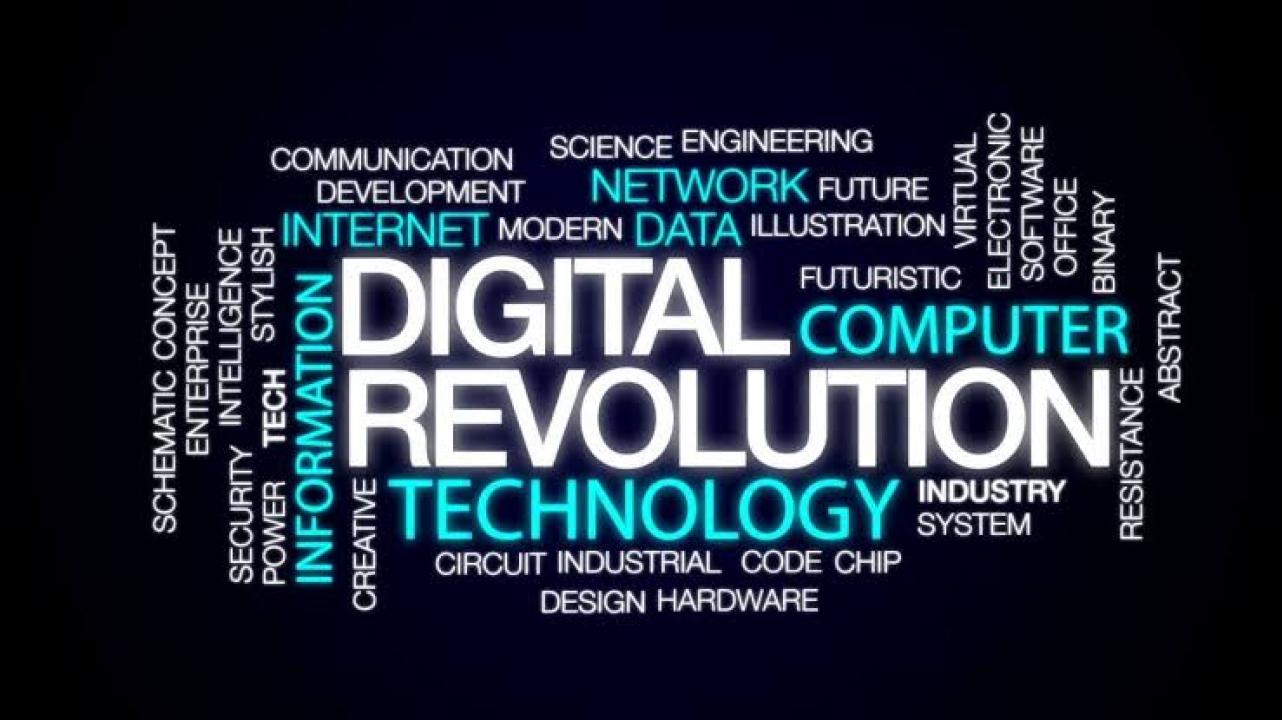
The digital revolution is transforming every facet of our existence, presenting challenges and opportunities in equal measure. While the pace of change can be intimidating, it is also a testament to human ingenuity and our endless capacity for innovation. The key to thriving in this new era lies in staying curious, remaining adaptable, and seeking out trustworthy sources of information. By following the latest Tech trends, you can equip yourself with the knowledge needed to make informed decisions and seize emerging opportunities. Remember, technology is a tool—and like any tool, its value depends on how we choose to use it. With the right mindset and resources, you can navigate the digital frontier with confidence and purpose