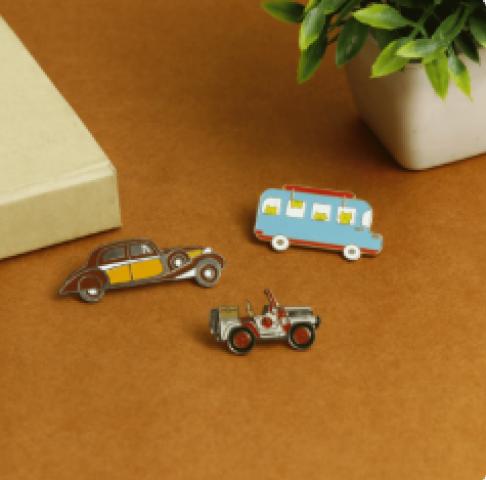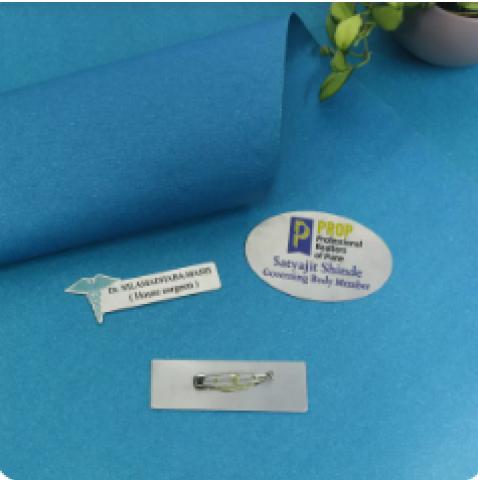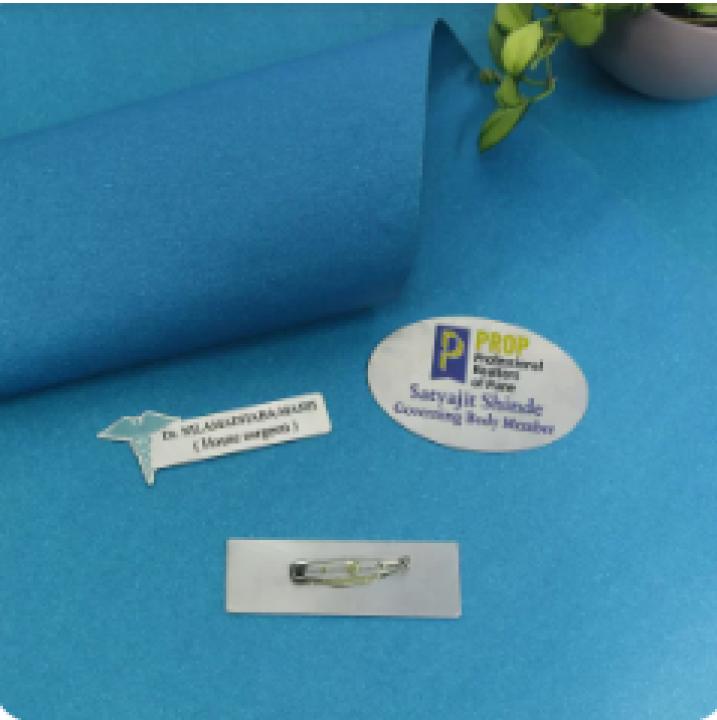
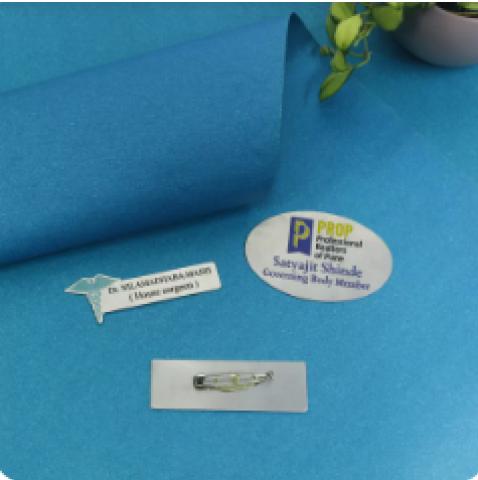
Custom lapel pins are compact accessories created to represent a business, organisation, event, achievement, or personal idea. They can display a logo, symbol, name, date, designation, or specially designed artwork. Their small size makes them easy to wear, distribute, store, and present.
Companies, schools, colleges, clubs, associations, and event organisers use custom lapel pins for branding, membership, awards, promotion, and identification. A carefully designed pin can improve professional presentation while giving the wearer a stronger sense of connection and pride.
Custom Lapel Pins for Business Branding
Businesses often look for practical ways to improve their brand visibility. Custom lapel pins can help employees display the company logo during meetings, conferences, exhibitions, seminars, and official visits.
When employees wear the same branded pin, the team looks more organised and professional. Visitors can also identify company representatives more easily at busy events.
Companies can create different pin designs for managers, sales teams, support staff, dealers, distributors, and event volunteers. Separate colours, shapes, or finishes can distinguish different roles without changing the entire uniform.
Custom pins can also be included in employee welcome kits, corporate gift boxes, dealer packages, and promotional hampers. Since people may keep and wear these pins for years, the company logo continues to receive visibility long after the original event.
Recognition Pins for Employees and Students
Custom lapel pins are widely used to recognise hard work and achievement. Organisations can create pins for years of service, employee performance, leadership, safety, attendance, innovation, or successful project completion.
A physical recognition item often feels more meaningful than a simple message. Employees can wear the pin with pride or preserve it as a reminder of an important achievement.
Schools and colleges use custom pins for prefects, monitors, student council members, house captains, sports teams, and club leaders. They can also reward students for academic excellence, discipline, regular attendance, and extracurricular performance.
Different designs may represent different achievement levels. Gold, silver, and bronze finishes can help create a clear recognition system.
Main Types of Custom Lapel Pins
Soft enamel pins are popular for colourful designs. The enamel colour stays slightly below the raised metal borders, creating a textured finish. This >
Hard enamel pins have a smooth and polished surface. The colour is filled and polished until it becomes level with the metal lines. These pins offer a premium appearance and are often used for formal uniforms, corporate awards, and official membership programmes.
Die-struck pins mainly depend on raised and recessed metal details. They may not include enamel colours. Gold, silver, copper, bronze, and antique finishes can create an elegant and traditional look.
Printed pins are suitable for photographs, gradients, complex designs, and small details. The artwork is printed directly on the pin surface and may be protected with a clear epoxy layer.
Three-dimensional pins are used when the design requires depth, curves, and realistic shapes. They are suitable for mascots, products, monuments, buildings, machinery, and sculpted symbols.
Materials and Finishing Choices
Manufacturers commonly use brass, iron, copper, stainless steel, aluminium, and zinc alloy for custom lapel pins.
Brass is suitable for detailed and premium designs. Iron is commonly selected for cost-effective bulk orders. Zinc alloy supports complex outlines, cut-outs, and three-dimensional shapes.
Metal plating affects the final appearance. Gold plating creates a premium and formal look. Silver and nickel offer a clean and modern finish. Antique copper and bronze are suitable for traditional, commemorative, and heritage designs.
Black nickel provides a bold appearance, while rose-gold plating adds an elegant decorative touch. The finish should complement the logo colours and intended purpose.
Choosing the Right Attachment
The attachment affects comfort, safety, and ease of use. Butterfly clutches are widely used for standard lapel pins. Rubber clutches provide a softer and more comfortable fit.
Magnetic attachments are suitable for delicate clothing because they do not create holes in the fabric. Screw-back fittings offer additional security for frequently worn or valuable pins.
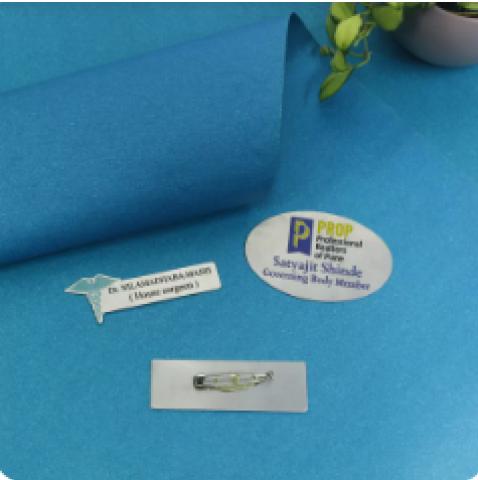
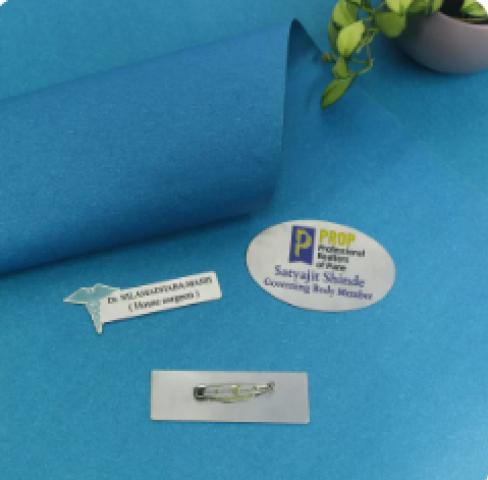
Safety-pin attachments are useful for larger badges and event identification. The right attachment should be selected according to the pin size, clothing material, and duration of use.
Tips for an Effective Pin Design
A good lapel pin design should remain clear at a small size. Long text, thin lines, and too many details may reduce visibility.
Use a simple central logo, symbol, number, or short message. Strong outlines and contrasting colours improve the final appearance.
The size should match the design complexity. A simple icon may work in a smaller format, while detailed artwork may require more space.
Before production starts, carefully review the digital proof. Check the spelling, colours, dimensions, plating, attachment, shape, quantity, and packaging.
Frequently Asked Questions
Can custom lapel pins be produced in any shape?
Yes. They can be created in round, square, shield, star, logo, letter, product, or fully customised shapes.
Which >
Hard enamel pins provide a smooth, polished, and premium surface.
Can employee names be added to the pins?
Names can be added through printing, engraving, or personalised packaging, depending on the design and order quantity.
Are custom lapel pins suitable for events?
Yes. They can be created for delegates, speakers, volunteers, sponsors, guests, organisers, and participants.
Can pins be packed individually?
Yes. Individual packaging can include polybags, printed backing cards, velvet boxes, pouches, or presentation cases.
Conclusion
Custom lapel pins offer a professional and meaningful way to represent branding, membership, achievement, and event identity. Their flexible design options make them useful for businesses, schools, clubs, associations, and special occasions.
By selecting the right material, >