Introduction
Python is one of the world's most popular programming languages, known for its simplicity, readability, and versatility. Since its creation by Guido van Rossum in 1991, Python has evolved into a powerful language used across industries, from web development and automation to artificial intelligence and scientific research.
Whether you're a beginner writing your first program or an experienced developer building complex machine learning models, Python offers the tools and flexibility needed to bring ideas to life.
What Is Python?
Python is a high-level, interpreted, object-oriented programming language designed to emphasize code readability. Its clean syntax allows developers to write fewer lines of code while accomplishing complex tasks efficiently.
Unlike many programming languages that require extensive setup, Python enables developers to quickly prototype applications and focus on solving problems rather than managing syntax.
Why Is Python So Popular?
Python's popularity continues to grow because it combines ease of learning with enterprise-level capabilities.
Some reasons behind its widespread adoption include:
Simple and readable syntax
Large collection of libraries and frameworks
Cross-platform compatibility
Open-source and free to use
Strong global developer community
Excellent documentation
Fast development cycle
Integration with multiple programming languages
Key Features of Python
Easy to Learn
Python's syntax resembles plain English, making it an excellent choice for beginners.
Interpreted Language
Python code is executed line by line, simplifying debugging and speeding up development.
Object-Oriented
Python supports object-oriented programming concepts such as inheritance, encapsulation, and polymorphism.
Extensive Standard Library
Python includes built-in modules for networking, file handling, mathematics, data processing, and much more.
Portable
Python programs can run on Windows, Linux, macOS, and many other operating systems with minimal changes.
Applications of Python
Python is one of the most versatile programming languages available today.
Web Development
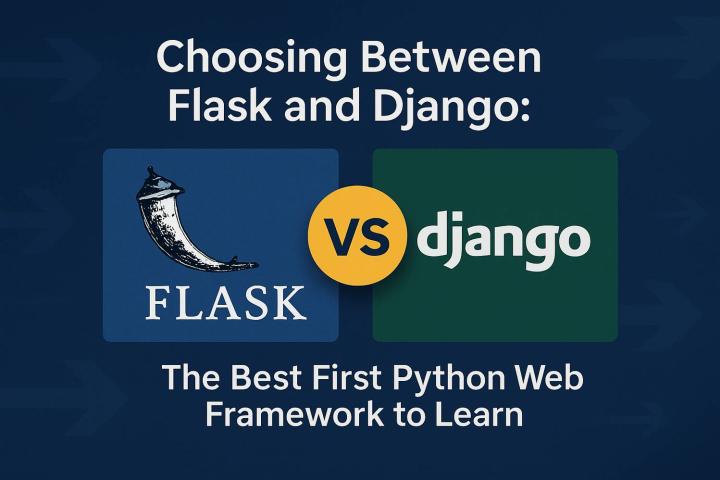
Frameworks like Django and Flask enable developers to build secure, scalable, and feature-rich web applications.
Artificial Intelligence
Python has become the preferred language for AI development because of libraries such as TensorFlow, PyTorch, and Keras.
Machine Learning
Data scientists use Python to build predictive models, recommendation systems, and intelligent applications.
Data Science
Python makes it easy to clean, analyze, visualize, and interpret data using libraries like Pandas, NumPy, and Matplotlib.
Automation
Businesses automate repetitive tasks such as report generation, file management, web scraping, and testing using Python scripts.
Cybersecurity
Security professionals use Python for penetration testing, vulnerability scanning, and security automation.
Cloud Computing
Python is widely used to manage cloud infrastructure and automate deployments across major cloud platforms.
Game Development
Developers use Python to build simple games, prototypes, and educational gaming applications.
Popular Python Frameworks
Several frameworks simplify application development.
Django
A high-level web framework that promotes rapid development and secure design.
Flask
A lightweight framework ideal for APIs, microservices, and smaller web applications.
FastAPI
A modern framework for building fast, high-performance APIs with automatic documentation.
Streamlit
A framework that allows developers to create interactive web applications for data science and machine learning with minimal code.
Python Libraries That Every Developer Should Know
Python's ecosystem includes thousands of libraries.
Some of the most widely used are:
NumPy
Pandas
Matplotlib
Seaborn
Scikit-learn
TensorFlow
PyTorch
OpenCV
Requests
Beautiful Soup
Selenium
SQLAlchemy
These libraries significantly reduce development time by providing ready-to-use functionality.
Advantages of Python
Python offers numerous benefits for developers and organizations.
Easy to read and maintain
Faster development process
Large ecosystem of libraries
Strong community support
Ideal for beginners
Excellent for rapid prototyping
Supports multiple programming paradigms
Scalable for enterprise applications
Limitations of Python
Like every programming language, Python has some limitations.
Slower execution compared to compiled languages like C++
Higher memory consumption
Not commonly used for mobile app development
Less suitable for performance-critical systems
However, these limitations are often outweighed by its productivity and flexibility.
Python in Emerging Technologies
Python continues to play a major role in modern technological innovation.
It is widely used in:
Artificial Intelligence
Machine Learning
Deep Learning
Robotics
Internet of Things (IoT)
Blockchain development
Data Analytics
Natural Language Processing
Computer Vision
Cloud Automation
As these fields continue to grow, Python remains one of the most valuable programming languages to learn and use.
Python Community
One of Python's greatest strengths is its active global community. Developers contribute to open-source projects, create new libraries, write tutorials, and participate in conferences and online forums. This collaborative ecosystem ensures that Python continues to evolve and remain relevant.
The Future of Python
Python's future looks exceptionally promising. With increasing adoption in AI, cloud computing, data engineering, and automation, demand for Python developers continues to grow. Its simplicity and adaptability make it a language that is likely to remain influential for years to come.
Conclusion
Python has transformed the way software is developed by making programming more accessible, efficient, and powerful. From startups to global enterprises, organizations rely on Python to build innovative solutions across virtually every industry.
Its readable syntax, rich ecosystem of libraries, and ability to support everything from simple scripts to sophisticated AI systems make Python one of the most versatile programming languages available today. Whether you're building websites, analyzing data, automating tasks, or developing intelligent applications, Python provides the tools to turn ideas into reality.