In today's online business environment, having a website is not enough to attract customers. Businesses need to make sure their websites are visible when people search for products, services, and useful information. Search engine optimization (SEO) helps improve website visibility, attract relevant visitors, and support long-term business growth. A reliable Digital Marketing Company in Chennai can help businesses develop SEO strategies that work alongside content marketing, social media, and online advertising. When these activities are planned together, businesses can reach the right audience, build trust, and improve their overall digital marketing performance.
What Is SEO and Why Does It Matter?
Search engine optimization is the process of improving a website so that search engines can understand its content and present relevant pages to users. It involves several activities, including keyword research, content optimization, technical improvements, and link building.
Think about how people search for a product before buying it. They may compare different options, read reviews, and visit several websites before making a decision. If your website appears when they search for information related to your business, you have a better opportunity to connect with them.
SEO helps businesses become more discoverable without relying entirely on paid advertising. Although results take time, a well-maintained website can continue attracting relevant visitors over the long term.
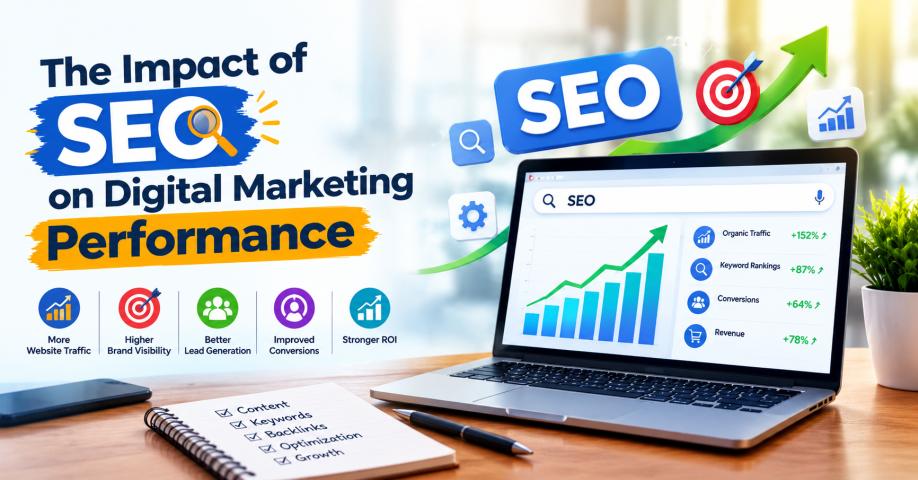
How SEO Improves Digital Marketing Performance
1. Increases Organic Website Traffic
One of the main benefits of SEO is its ability to attract visitors through unpaid search results. When a website appears for relevant search queries, people can discover its products or services while looking for solutions.
For example, a company offering accounting services can create useful pages that answer common questions about tax filing, financial planning, and bookkeeping. These pages may attract people who are already interested in the company's services.
However, traffic alone does not determine success. The goal is to attract visitors who are likely to engage with the website, explore its offerings, or become customers.
2. Helps Reach the Right Audience
Effective digital marketing begins with understanding customer needs. Keyword research helps businesses discover the words and phrases people use when searching online.
These searches can reveal what customers want to know, what problems they face, and how close they are to making a purchase. For example, someone searching for general marketing tips may be looking for information, while someone searching for a specific service may be ready to contact a provider.
By creating content that matches these different needs, businesses can reach people at various stages of the buying journey. This makes marketing efforts more relevant and useful.
3. Improves Website User Experience
SEO is not limited to keywords and search rankings. Website performance and usability also influence how visitors interact with a business online.
A website should load quickly, work well on mobile devices, use clear navigation, and provide information that is easy to understand. Visitors should be able to find important details without unnecessary effort.
For example, if someone visits a service page but struggles to find pricing information or contact details, they may leave the website. A clear page structure and helpful content can make the experience smoother.
When visitors can easily find what they need, they are more likely to explore additional pages and take meaningful actions.
4. Builds Trust and Credibility
People often view websites that appear prominently in search results as useful starting points for their research. While rankings alone do not guarantee trust, strong search visibility can help businesses gain attention.
Trust also depends on the quality of the information a website provides. Accurate articles, detailed service descriptions, genuine customer reviews, and clear business information can help visitors feel more confident.
Regularly updating content and correcting outdated information also shows that a business cares about providing a helpful online experience.
Over time, these efforts can strengthen a company's reputation and encourage potential customers to consider its products or services.
5. Supports Content Marketing
Content marketing and SEO work well together. Content marketing provides useful information, while SEO helps search engines understand that information and connect it with relevant searches.
Businesses can publish blog articles, guides, frequently asked questions, case studies, and service pages based on their audiences' interests. Each piece of content should have a clear purpose rather than simply repeating keywords.
For example, a software company could publish a guide explaining how businesses can choose the right project management tool. The article may attract readers who later explore the company's software solutions.
A consistent content strategy can help a website cover important topics, answer customer questions, and build visibility across a wider range of searches.
6. Helps Generate Quality Leads
SEO can contribute to lead generation by connecting businesses with people who are actively looking for relevant solutions. These visitors may be more interested in a service than people who discover a business through unrelated content.
To turn website visits into leads, businesses should include clear calls to action, easy-to-use contact forms, useful service details, and simple ways to request information.
For example, a professional service website could invite visitors to schedule a consultation or request a quote. The page should explain the service clearly and help visitors understand what to do next.
Tracking enquiries, form submissions, and phone calls can help businesses evaluate whether their SEO activities are generating meaningful results.
7. Delivers Long-Term Marketing Value
Paid advertising can bring visibility while a campaign is active, but traffic from those advertisements often decreases when spending stops. SEO works differently because optimized pages can continue attracting visitors after publication.
This does not mean SEO is free or requires no maintenance. Businesses still need to invest in content creation, technical improvements, performance monitoring, and regular updates.
However, useful content and a technically sound website can become valuable long-term marketing assets. As a website gains relevant visibility, it may reduce dependence on paid channels for some types of traffic.
The strongest results often come from combining SEO with other marketing activities rather than treating it as a separate task.
How to Measure SEO Performance
Businesses should track meaningful metrics to understand whether their SEO strategy is working. Some important indicators include:
- Organic traffic: The number of visitors arriving through unpaid search results.
- Keyword visibility: How a website performs for relevant search terms.
- Click-through rate: The percentage of search impressions that result in clicks.
- Engagement: How visitors interact with website content.
- Conversions: Actions such as enquiries, purchases, bookings, and form submissions.
- Lead quality: Whether the enquiries generated are relevant to the business.
Tools such as Google Analytics and Google Search Console can help businesses monitor these results. Reviewing the data regularly makes it easier to identify successful pages, discover areas for improvement, and adjust marketing priorities.
Combining SEO With Other Digital Marketing Activities
SEO delivers stronger results when it supports a wider marketing strategy. Social media can help distribute useful content, email marketing can maintain customer relationships, and paid campaigns can provide additional visibility for important offers.
Consistent messaging across these channels also helps customers recognize a business more easily. Working with experienced Branding Companies In Chennai can support the development of a clear brand identity that complements SEO and other digital marketing activities.
When every channel works toward the same business goals, companies can create a more consistent customer experience and make better use of their marketing resources.
Conclusion
SEO plays an important role in digital marketing performance by improving search visibility, attracting relevant visitors, building credibility, and supporting lead generation. It also helps businesses understand customer interests and create content that answers real questions. However, achieving meaningful results requires patience, regular monitoring, and a focus on user needs. By combining SEO with content marketing, social media, branding, and performance tracking, businesses can build a stronger online presence and create sustainable opportunities for growth.