Quick Summary: For a long time, effective acoustic treatment and good looking ceilings existed on opposite ends of a tradeoff. This piece looks at what changes once genuine acoustic performance actually starts looking like a finished, intentional design choice, using an acoustic spray ceiling as the clearest example of that shift actually happening in real projects.
Introduction
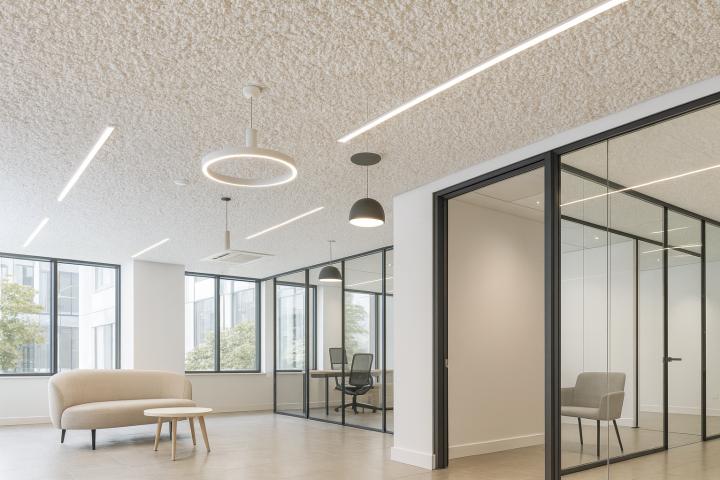
There's a particular moment worth paying attention to when a category of product stops being purely functional and starts genuinely earning a place in design conversations for how it looks, not just what it does. Acoustic treatment has been approaching this moment for a while now, and an acoustic spray ceiling represents one of the clearest, most visible examples of that shift actually happening in finished, real world projects rather than staying purely theoretical.
Understanding what actually changes once acoustic performance starts looking genuinely intentional, rather than merely tolerated as a necessary compromise, helps explain why this particular product category has moved so decisively from a specialist niche into mainstream design consideration.
The Old Divide between Performance and Appearance
For decades, effective acoustic treatment meant accepting a visible cost. Foam panels, exposed mineral fibre, industrial looking products chosen purely because they worked, with appearance treated as an afterthought at best, sometimes not considered at all beyond basic colour options that rarely matched a project's actual design intent.
Designers wanting genuine acoustic performance had to accept this visible compromise, or alternatively, sacrifice performance in favour of appearance and simply hope a space wouldn't sound too bad once actually occupied.
This divide shaped how acoustic treatment got specified for a long time, treated as a functional necessity applied reluctantly rather than a genuine design opportunity embraced deliberately from the start of a project.
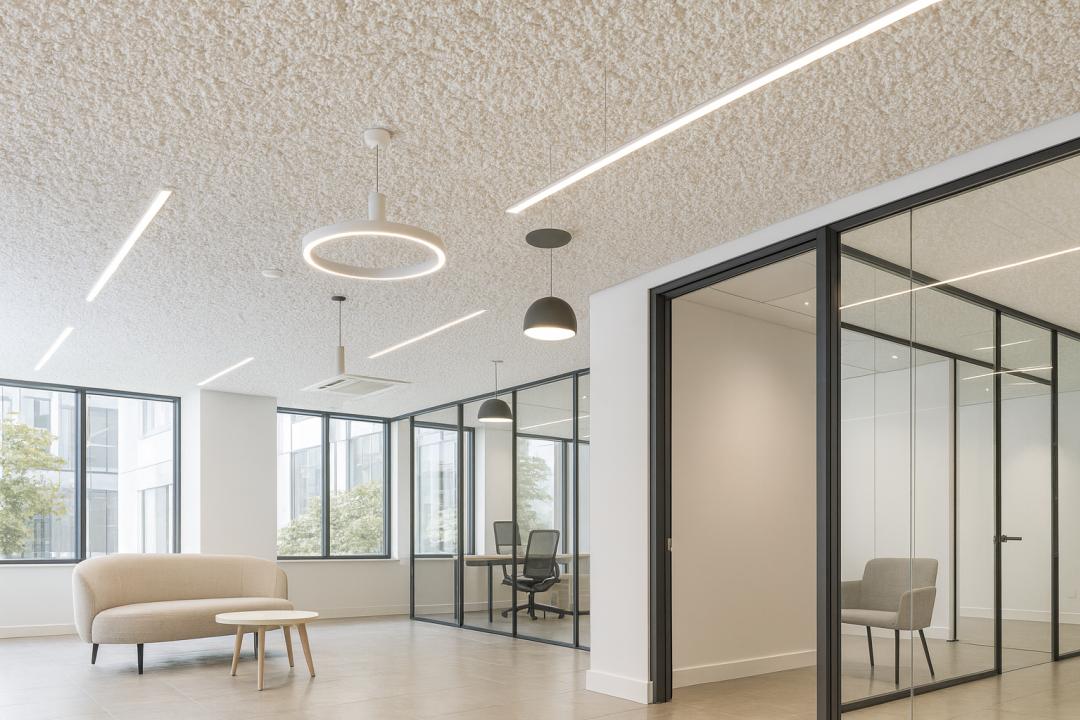
Acoustic spray represents a genuine break from this old pattern, delivering measurable, testable performance while looking like an intentional, finished surface treatment rather than an obvious compromise bolted onto an otherwise considered design.
What actually Changes when Performance Looks Intentional
Once acoustic materials genuinely look like they belong in a finished space, rather than announcing themselves as an obvious functional patch, the entire specification conversation shifts considerably.
Designers stop asking whether they can afford to sacrifice appearance for performance, and start asking how this material can actively contribute to the space's overall design language, colour, texture, visual rhythm, the same considerations given to any other genuine finish material.
This shift matters enormously for adoption rates too. Products that require an obvious visual compromise face natural resistance from clients and designers alike, who reasonably hesitate to accept a finished space that looks visibly compromised for functional reasons.
Products that deliver genuine performance while looking intentional face far less of this resistance, since choosing them doesn't require accepting any visible tradeoff at all.
How Acoustic Spray Paint Achieves this Dual Result
Understanding how acoustic spray paint actually achieves this combination helps explain why it's succeeded where some earlier acoustic products struggled to gain broader acceptance.
The material's texture, while genuinely functional, reads visually as an intentional finish choice rather than an obvious acoustic intervention, especially once colour and application technique are considered as deliberate design elements rather than purely functional afterthoughts.
This matters because the underlying acoustic mechanism, absorbing sound through a porous, textured structure, inherently requires some visible departure from a perfectly smooth, flat surface.
What's changed isn't the underlying physics, which remains the same regardless of how the product gets marketed or applied. What's changed is how that necessary texture gets designed and presented, moving from an accepted compromise toward a genuine aesthetic choice that happens to also deliver real acoustic function.
Why this Matters Most for Ceilings Specifically
Ceilings represent the clearest showcase for this shift, since they're typically the largest continuous, most visually prominent surface in most rooms.
An acoustic spray ceiling that looks genuinely finished and intentional transforms what used to be the most neglected surface in a room into something that actively contributes to the space's character, rather than simply covering structural and mechanical infrastructure while incidentally reducing echo somewhere in the background. This transformation has real practical consequences for how projects get planned.
Rather than treating ceiling acoustics as a late stage addition, addressed only after complaints arise once a space is already occupied, designers increasingly plan for this treatment from the earliest stages of a project, understanding that genuine acoustic performance and genuine visual quality no longer represent competing priorities requiring a difficult tradeoff between the two.
Read to know more about acoustic spray here: Unlocking the Benefits of Acoustic Spray for Stylish Noise Control
The Broader Shift across Acoustic Materials
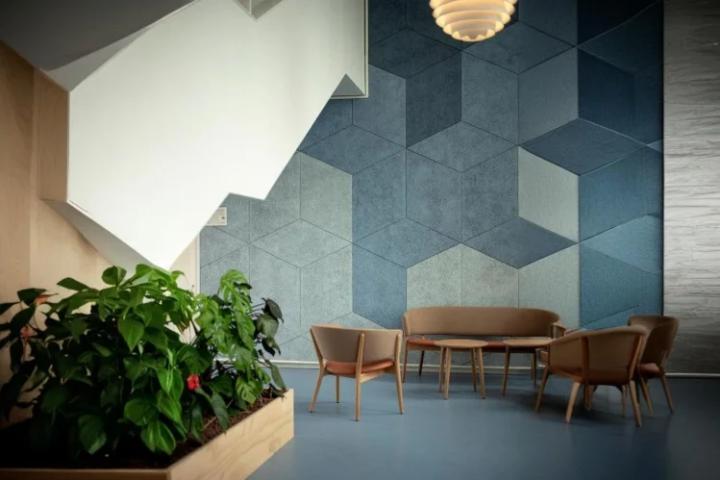
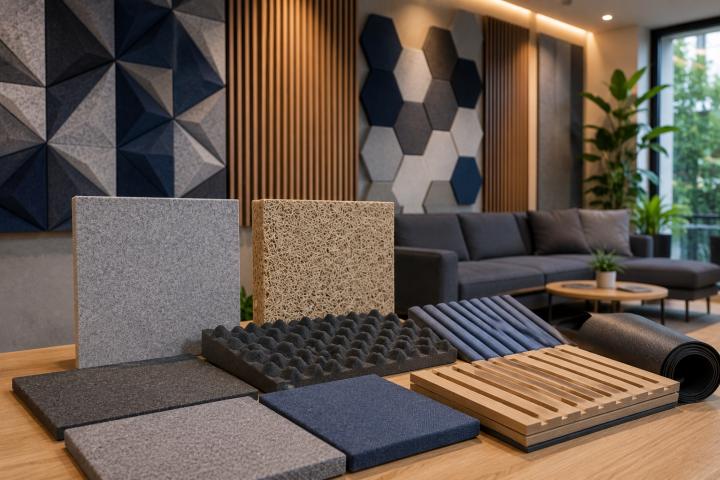
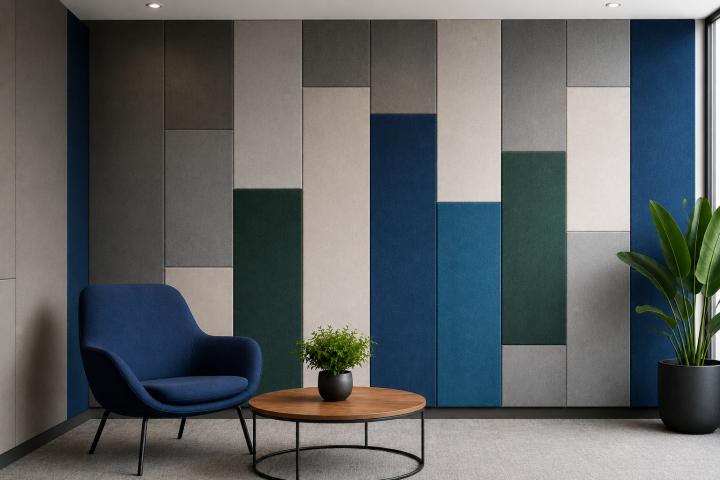
This pattern extends well beyond spray applications specifically. Across the broader category of acoustic materials, felt panels, wood based products, fabric wrapped options, the same fundamental shift has been happening, moving from purely functional products toward genuine design materials that happen to also solve acoustic problems effectively.
This broader trend context helps explain why spray applications specifically have found such receptive ground, arriving into a market already primed to expect and demand this combination of genuine performance and genuine design quality simultaneously.
Manufacturers across this entire category have responded to this shift by investing considerably in expanded colour ranges, refined application techniques, and improved performance documentation, recognising that credibility in this market increasingly requires satisfying both functional and aesthetic expectations simultaneously, rather than treating either consideration as more important than the other.
What this Means for how Projects Get Planned now
Understanding this shift changes practical project planning in genuinely meaningful ways. Acoustic consultation can happen earlier in a design process, since choosing genuine performance no longer means accepting a predetermined, limited set of unattractive visual options.
Budget conversations shift too, since clients increasingly understand that quality acoustic materials represent a genuine design investment rather than a purely functional cost accepted reluctantly and grudgingly. This shift also changes how success gets measured on a finished project.
A space that performs well acoustically and looks genuinely intentional throughout represents a considerably higher bar than simply achieving adequate noise control regardless of visual outcome, and this higher bar has become achievable specifically because products like acoustic spray have closed the gap between these two previously competing priorities so effectively.
Why this Represents Genuine Progress, not Just Marketing
It's worth being clear that this shift reflects genuine underlying improvement in how these products get engineered and manufactured, not simply more sophisticated marketing language applied to fundamentally unchanged products.
Real advances in formulation, application technique, and colour technology have genuinely expanded what's achievable, moving acoustic performance from something designers tolerated reluctantly toward something they can genuinely embrace as a legitimate design opportunity worth pursuing deliberately.
Bring this Combination into Your Next Project
If you're planning a space where acoustic performance matters, understanding that genuine function and genuine design quality no longer require a difficult tradeoff changes how that project should be approached.
Tranquil Global works with architects and designers to specify acoustic spray ceiling solutions and related acoustic materials that deliver real performance without compromising on visual intent. Reach out to Tranquil Global and let's talk about your next project.
FAQs
1. Has acoustic spray paint genuinely improved, or has marketing just gotten better at describing it?
Genuine improvement. Real advances in formulation, colour range, and application technique have meaningfully expanded what's actually achievable visually and functionally.
2. Why does an acoustic spray ceiling matter more for design than other acoustic surfaces?
Ceilings represent the largest, most visually prominent surface in most rooms, making treatment here have an outsized impact on a space's overall character.
3. Does acoustic spray still require some visible texture compared to a perfectly smooth finish?
Yes, some texture is inherent to how the material absorbs sound, but modern products present this as an intentional design choice rather than an obvious compromise.
4. Has this shift happened across all acoustic materials, or just spray applications specifically?
It's a broader trend across the category, including felt, wood based, and fabric wrapped products, all moving toward genuine design integration.
5. Does choosing genuine acoustic performance now cost significantly more than basic options?
It often costs somewhat more, but increasingly represents a genuine design investment rather than a purely functional expense accepted reluctantly.
6. Can Tranquil Global help integrate acoustic spray into a project's design from the earliest stages?
Yes. Tranquil Global works with designers early in the planning process to specify solutions that satisfy both acoustic and aesthetic goals together.