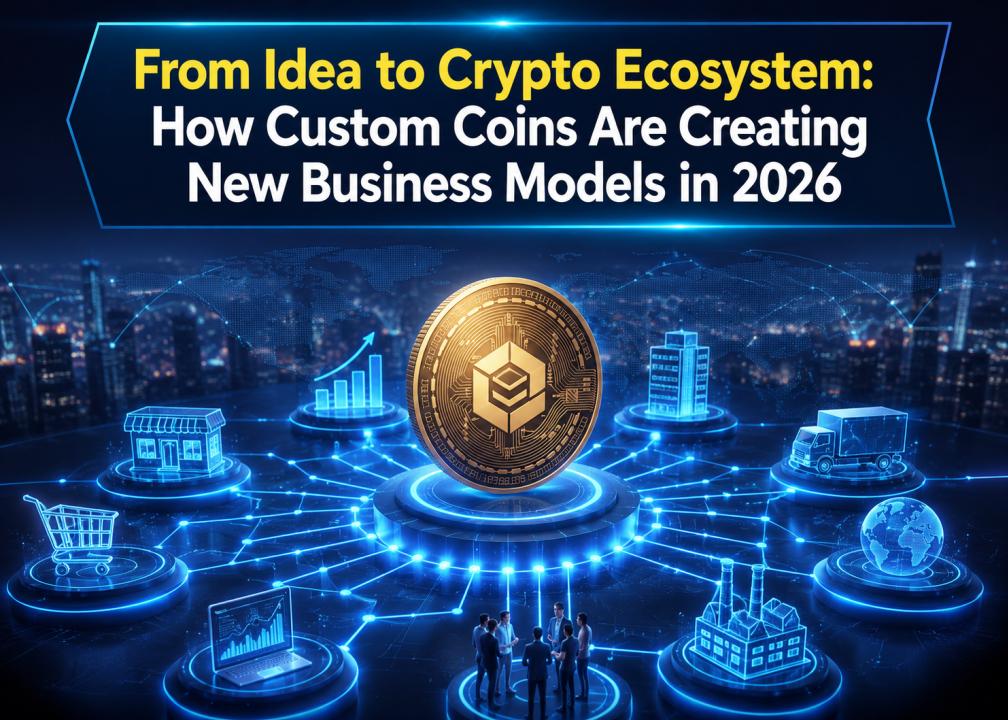
The idea of creating a cryptocurrency has changed significantly. A few years ago, many projects viewed a coin primarily as a fundraising instrument or a way to build market visibility. Today, businesses are looking at custom coins from a different perspective: as an economic layer that can be built directly into a digital product.
This change is opening new possibilities for marketplaces, gaming platforms, financial applications, creator communities, and decentralized services. Instead of simply issuing an asset and hoping users will adopt it, companies can design a coin around specific activities within their ecosystem.
The important part is not the coin itself. It is the business logic that gives the coin a reason to exist.
1. Starting With a Real Business Use Case
A custom coin should solve a specific problem rather than being added to a product because blockchain is popular. Businesses need to identify where programmable value can improve an existing process or create an interaction that traditional systems cannot handle efficiently.
For example, a decentralized marketplace could use a native coin for payments, seller incentives, loyalty benefits, and governance. A gaming company could use it to connect players, digital assets, tournaments, and marketplace transactions.
This approach creates a direct connection between the token and product usage.
Token utility can also evolve as the ecosystem grows. An asset that initially supports payments could later become useful for staking, premium access, governance, or partner services. However, these functions should be introduced according to actual demand instead of adding features simply to make the token appear more valuable.
2. Creating the Infrastructure Users Actually Need
The coin needs reliable infrastructure behind it. Users should be able to acquire, store, transfer, and use the asset without dealing with unnecessary technical complexity.
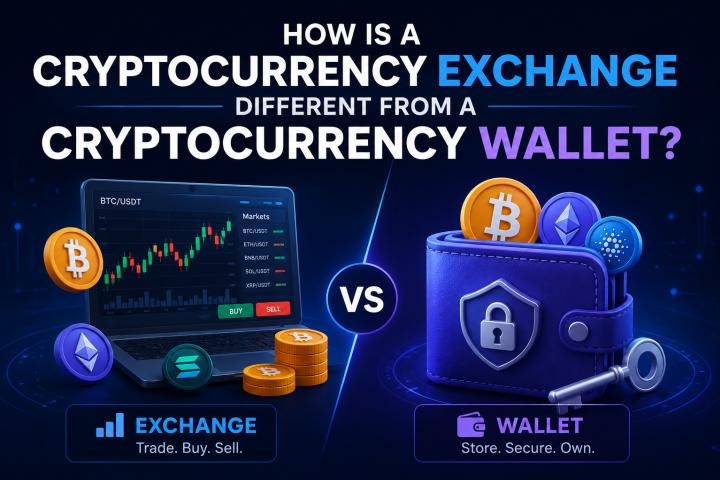
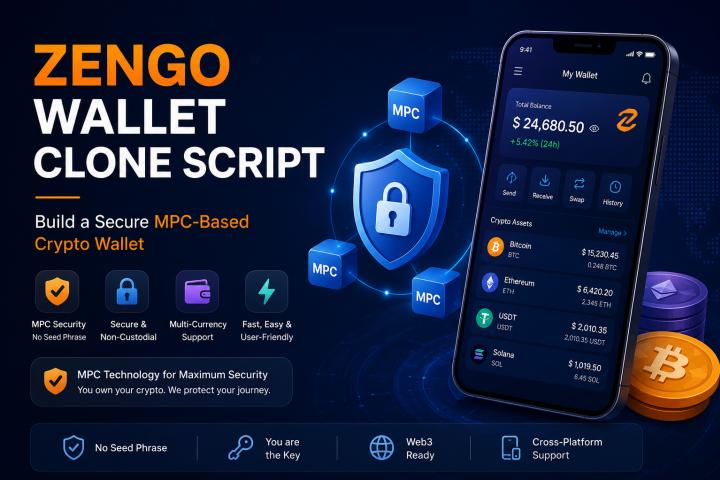
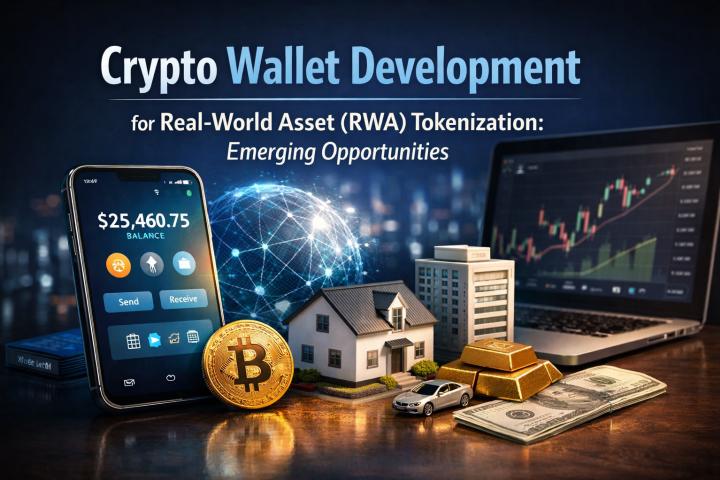
Crypto Wallet Development Solutions can become an important part of this infrastructure because wallets provide the interface through which users manage assets and approve blockchain transactions. Depending on the product, the wallet may also connect users with staking, decentralized applications, governance systems, and payment services.
The underlying architecture may include smart contracts, blockchain nodes, APIs, indexing services, transaction monitoring, and security controls. Each component has to work together because a weakness in one layer can affect the entire user experience.
Blockchain selection is another important decision. Transaction costs, confirmation speed, network security, scalability, liquidity, and interoperability should all be evaluated before development begins.
3. Tokenomics Has to Support the Product
A coin can have excellent technology and still fail because its economic model is poorly designed. Tokenomics determines how supply enters circulation, who receives the asset, what creates demand, and how incentives affect user behavior.
Some of the important areas include:
- Token allocation for founders, investors, users, and ecosystem development.
- Vesting schedules that prevent sudden supply shocks.
- Reward mechanisms linked to genuine platform activity.
- Treasury policies for managing ecosystem funds.
- Liquidity planning for users and market participants.
- Governance mechanisms for changing important economic parameters.
The goal should be to create an economy that supports the product over time. Excessive rewards may generate rapid adoption but can also attract users who disappear when incentives decrease.
A sustainable model connects token demand with something people actually want to do.
4. New Business Models Are Emerging Around Participation
Custom coins can change how businesses distribute value among participants. Instead of keeping every economic decision inside a centralized company, platforms can create mechanisms through which users, developers, creators, liquidity providers, and infrastructure operators participate in the ecosystem.
A decentralized computing platform, for instance, could reward providers for contributing unused computing resources. A creator network could use tokens for memberships, access, or community rewards. A gaming ecosystem could connect players and marketplace participants through a shared economic system.
These models can create network effects when participation increases the usefulness of the platform. More users create more activity, more activity attracts additional participants, and the token gains practical relevance through ecosystem usage.
However, token activity should not be confused with genuine business growth. Transaction volume alone does not prove product-market fit. Retention, recurring usage, customer value, and sustainable revenue remain important indicators.
5. Building for the Ecosystem, Not Just the Launch
Launching the coin is only the beginning. Once users depend on the ecosystem, businesses need to manage security, liquidity, governance, upgrades, compliance, and infrastructure performance.
Smart contracts should undergo rigorous testing and security review before handling meaningful value. Administrative permissions should be tightly controlled, and sensitive operations may require multisignature authorization. Monitoring systems can also help identify unusual transaction activity.
Regulatory considerations should be addressed early as well. The nature of the token, its utility, distribution model, custody arrangements, and target markets can influence the obligations surrounding the project.
Ultimately, the strongest custom-coin projects will not be those that simply generate attention at launch. They will be the ones that build a useful economic environment around the asset.
In 2026, custom coins are becoming less about creating another cryptocurrency and more about redesigning how digital businesses exchange value. When token utility, technology, incentives, and user needs are aligned, a coin can become an integral part of the business rather than a separate speculative product.