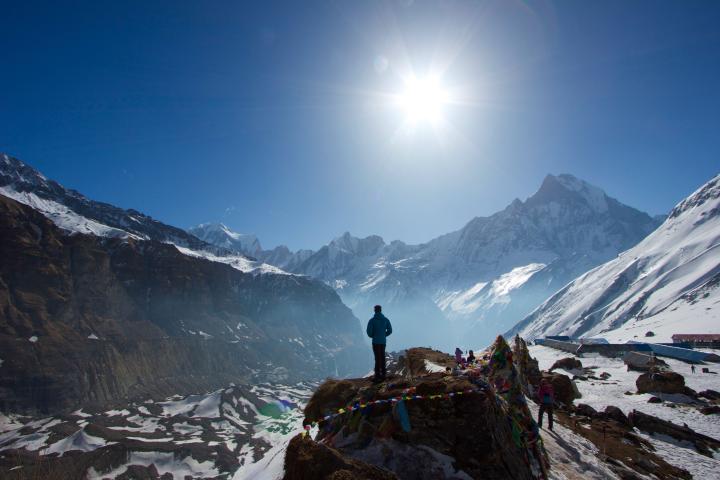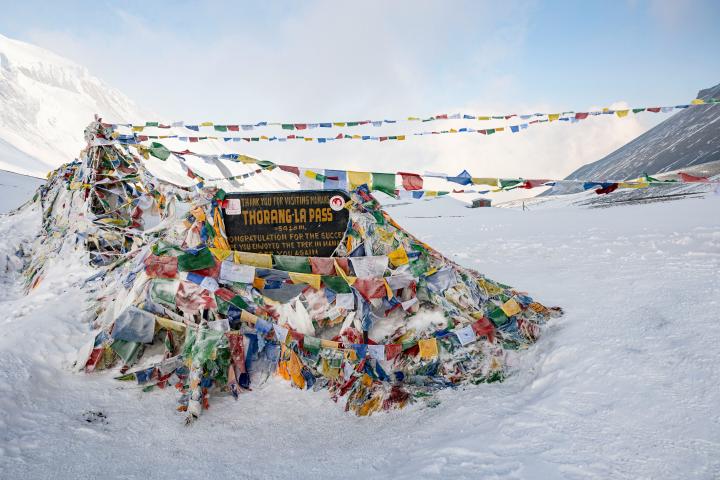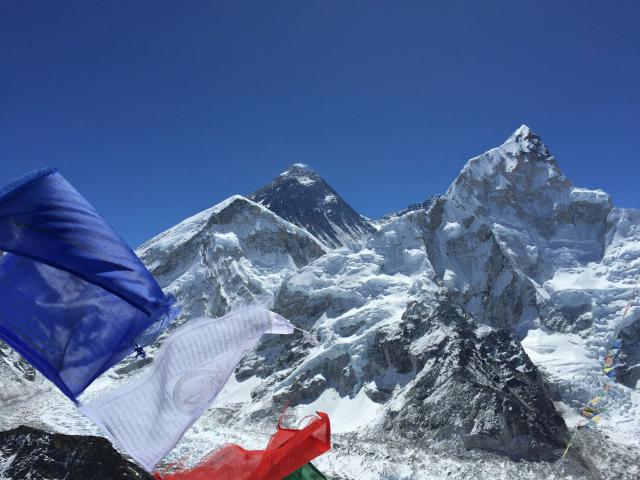
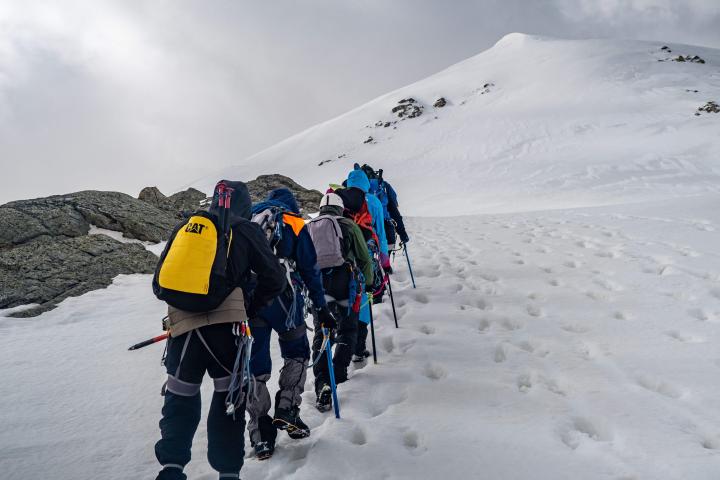
The mountains of Nepal invite you to step higher, dream bigger, and test your limits. Peak climbing in Nepal is a thrilling way to explore the Himalayas while enjoying stunning views, remote trails, and exciting climbing challenges. From easier trekking peaks to demanding high-altitude climbs, Nepal offers many choices for adventure seekers.
Why Choose Peak Climbing in Nepal?
Nepal is home to some of the world’s most famous mountains. Its beautiful landscapes make it a perfect place for climbers who want more than a regular trek. Peak climbing combines trekking and mountaineering in one exciting journey.
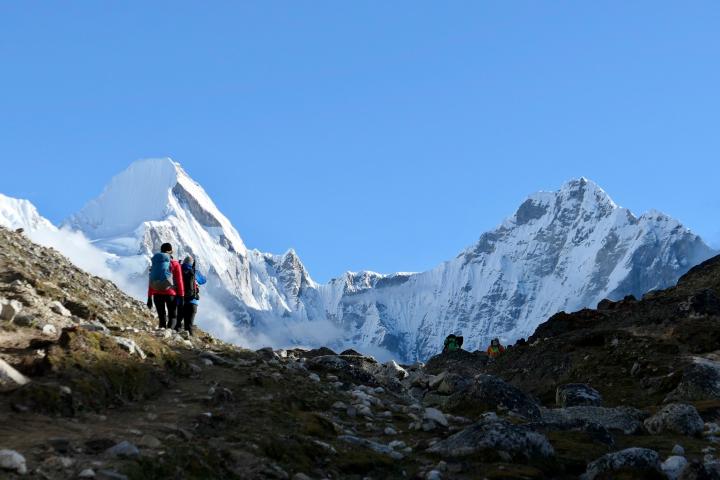
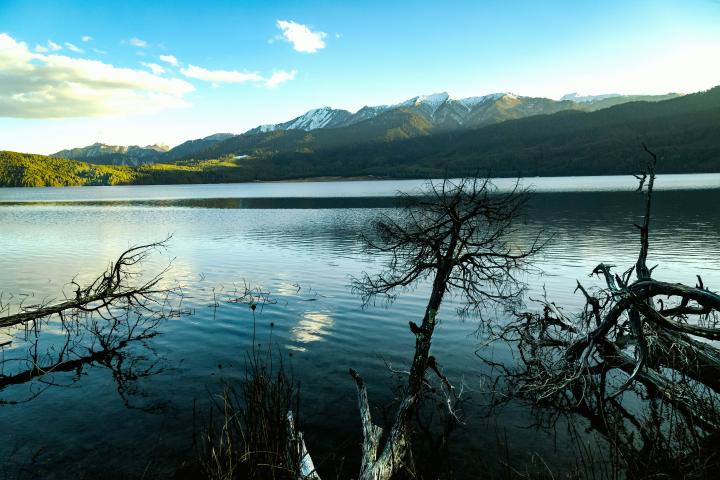
You can walk through green forests, quiet villages, rocky trails, and snowy valleys before reaching the climbing area. Along the way, you can enjoy views of massive Himalayan peaks and learn about the local culture.
Popular Peaks for Climbing
Nepal has many peaks that offer different levels of challenge. Island Peak, also known as Imja Tse, is a popular choice for climbers looking for their first Himalayan climbing experience. It reaches about 6,189 meters (20,305 feet).
Mera Peak is another popular option. At 6,476 meters (21,247 feet), it is one of Nepal’s highest trekking peaks. It offers wide views of Everest, Makalu, Lhotse, and other giant mountains.
For climbers looking for a greater challenge, peaks such as Lobuche East, Pisang Peak, Chulu West, and Yala Peak offer exciting routes and beautiful mountain scenery.
A Journey That Tests Your Strength
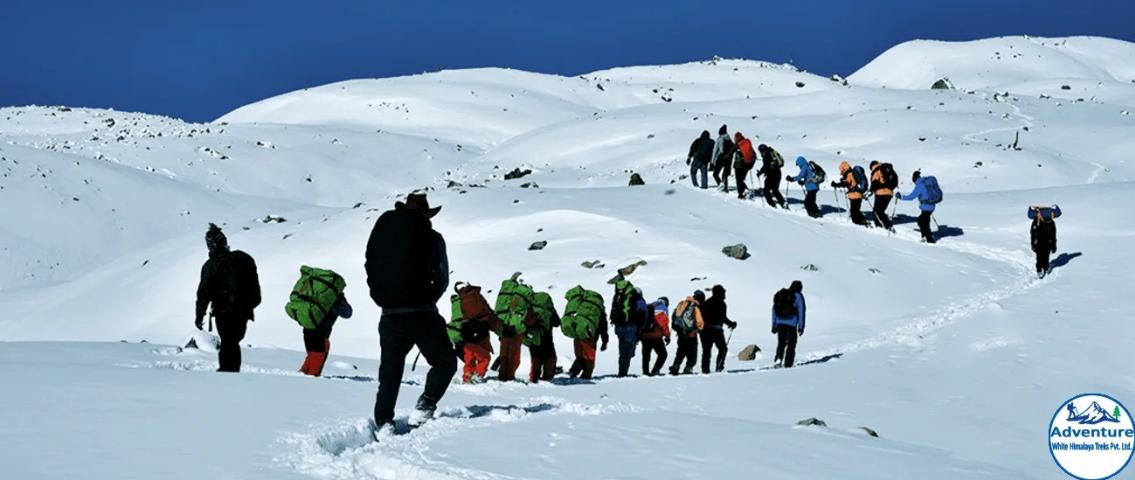
Peak climbing is not always easy. Long walking days, steep trails, cold weather, and high altitude can test your body. You may need to walk for several hours each day before reaching the climbing section.
As you climb higher, the air becomes thinner. Your body needs time to adjust. Proper acclimatization, enough rest, good food, and plenty of water are important parts of the journey.
The climb also requires mental strength. There may be moments when you feel tired or nervous. Staying calm and moving one step at a time can help you reach your goal.
Skills and Equipment Matter
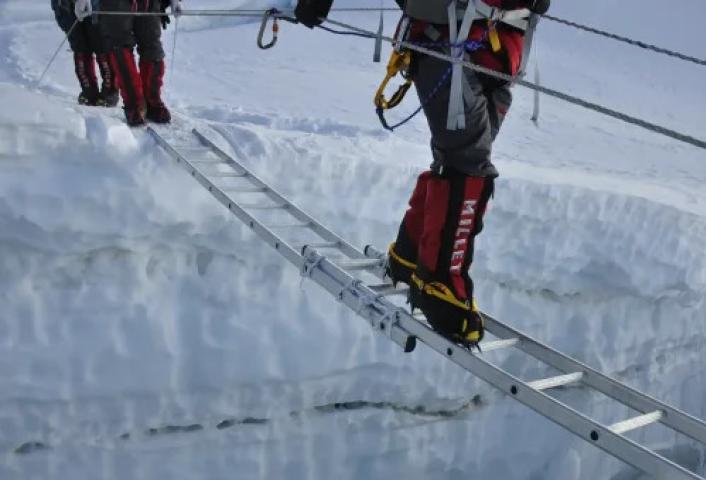
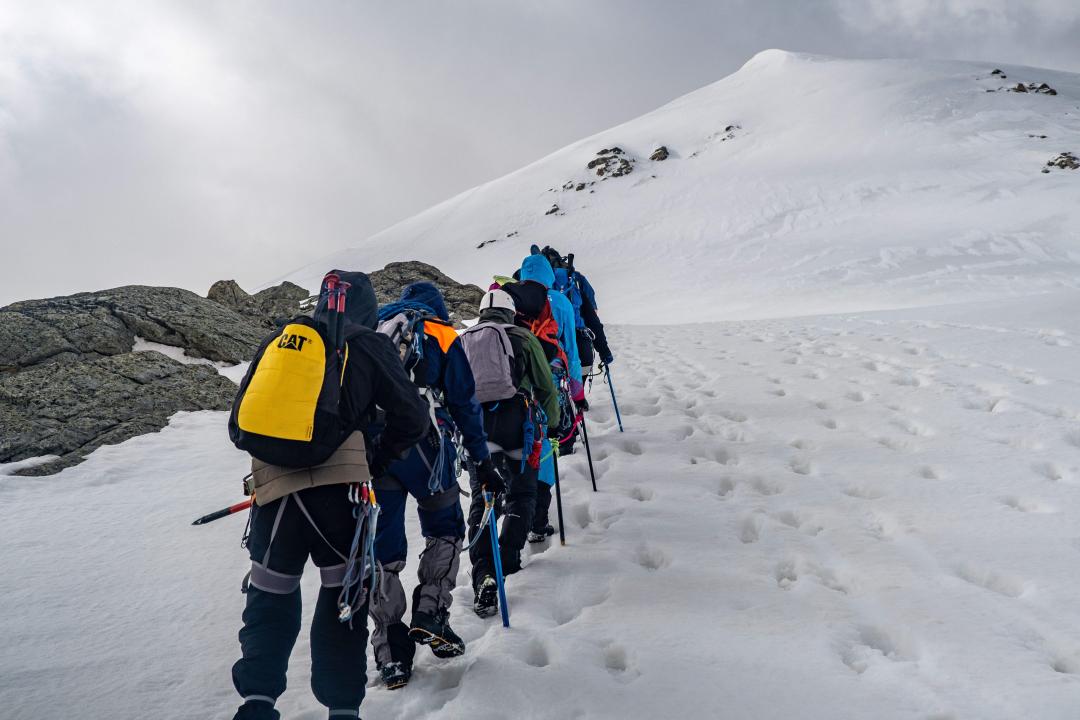
You do not always need advanced climbing experience for trekking peaks, but basic training is very helpful. Climbers should know how to use equipment such as crampons, ropes, harnesses, and ice axes when the route requires them.
Good equipment also helps protect you from cold and changing weather. Warm clothing, sturdy boots, gloves, a helmet, and suitable climbing gear are important for a safe trip.
Before the climb, it is wise to build your strength and stamina. Regular walking, hiking, and simple cardio exercises can prepare your body for the adventure.
The Beauty Beyond the Summit
One of the best parts of peak climbing is the journey itself. The trail may pass through beautiful valleys, forests, glaciers, and traditional mountain villages. You can meet local people and experience the unique cultures of the Himalayan communities.
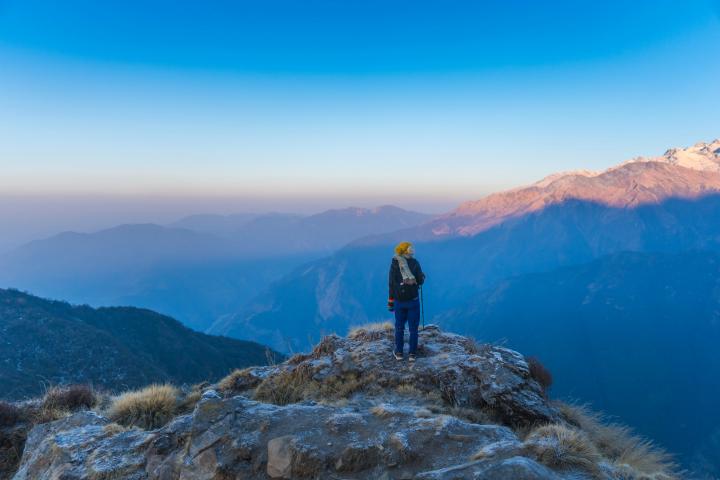
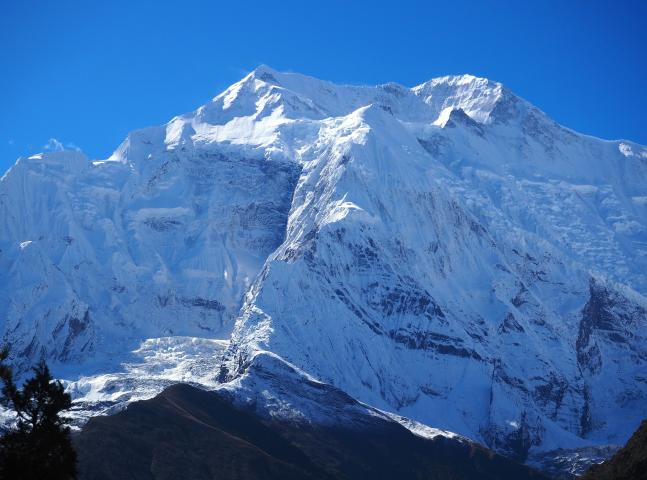
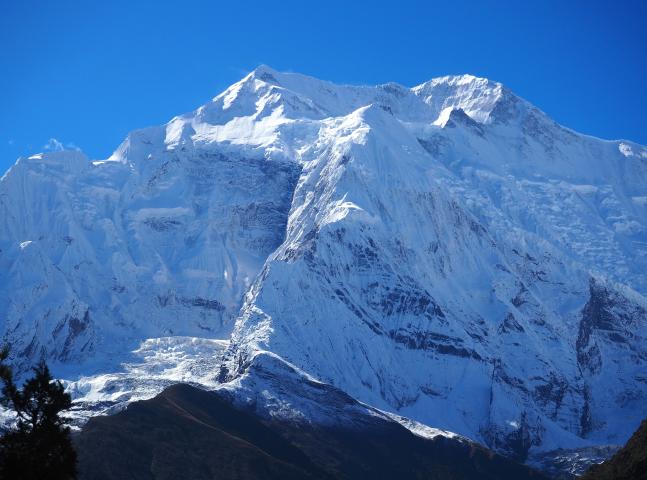
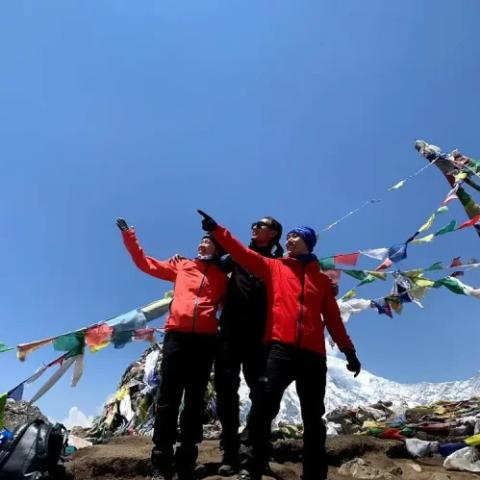
Then comes the summit day. Standing on a snowy peak and looking across the vast Himalayas can be an unforgettable moment. The hard work, tired legs, and early morning starts suddenly feel worth it.
Support from Nepal Social Treks and Expedition
Nepal Social Treks and Expedition helps travelers plan and complete their climbing adventures in Nepal. Its services include trip planning, experienced climbing guides, permits, transportation, accommodation, meals, porters, camping support, and climbing logistics.
The team can also help with route planning, acclimatization schedules, equipment needs, and other important arrangements. Local experience can make a big difference when traveling through remote mountain areas.
Take the Challenge
Peak climbing in Nepal is more than reaching a summit. It is about exploring beautiful places, facing challenges, learning new skills, and discovering your own strength.
With proper preparation, good guidance, and a positive attitude, you can turn your Himalayan dream into a real adventure. The mountains may challenge you, but they can also give you memories that last a lifetime.