Managing a modern workplace involves coordinating employees, projects, resources, and safety requirements. As businesses expand, traditional methods can make these responsibilities harder to handle efficiently.
The right digital approach can help organizations simplify everyday processes while giving managers better visibility and control.
Organizing Teams Around Clear Goals
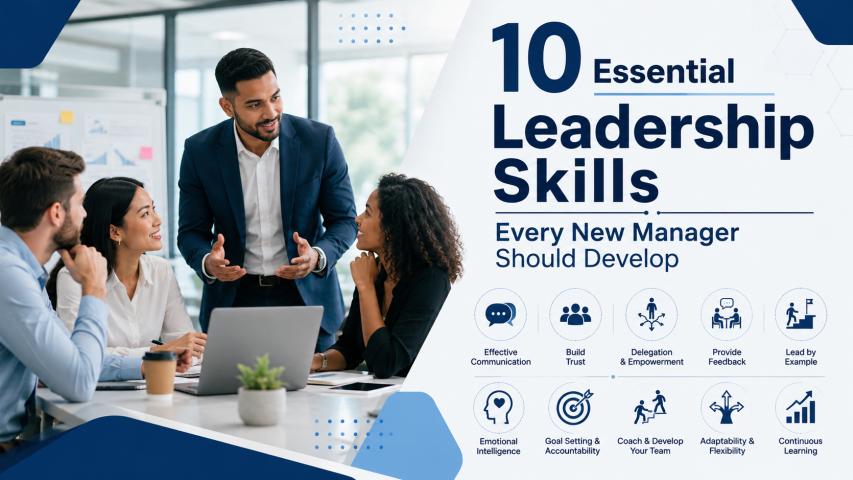
Projects often involve multiple people working on different tasks. When priorities are unclear, teams can lose time and struggle to meet deadlines.
Using a scrum system allows businesses to organize complex initiatives into smaller work cycles. Teams can set priorities, assign tasks, review progress, and make adjustments based on feedback.
This creates a more flexible way to manage projects and encourages continuous improvement.
Taking Control of Workforce Operations
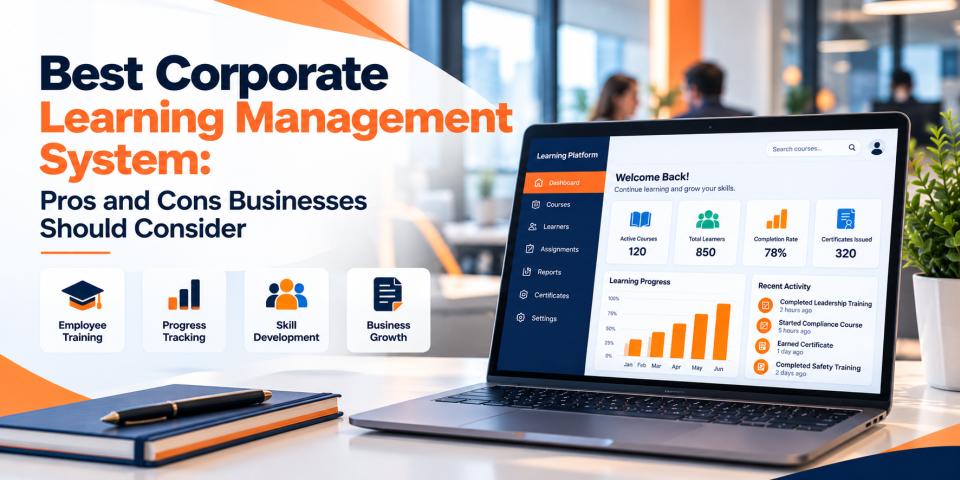
Effective workforce coordination is essential for keeping daily operations running smoothly. Businesses may need to manage attendance, schedules, staffing requirements, and employee information across different teams.
A labour management system can centralize these activities and make workforce information easier to manage. It can reduce repetitive administrative work while helping managers make better staffing and operational decisions.
Putting Workplace Safety First
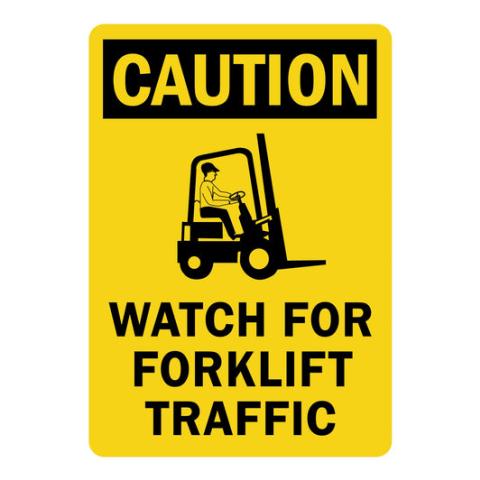
Employee safety requires more than written policies. Workers need practical and accessible training to understand workplace risks, procedures, and emergency practices.
An stk safety training kiosk can give employees convenient access to safety education within the workplace. This can make training easier to deliver consistently, particularly in busy operational environments.
Why Digital Transformation Matters
A well-planned digital workplace strategy can help organizations:
- Improve workforce coordination
- Reduce paperwork and repetitive tasks
- Increase project visibility
- Support employee development
- Strengthen safety awareness
- Improve overall operational efficiency
Rather than managing each process separately, businesses can build a more connected approach where technology supports employees and management.
Conclusion
Efficient workplace management depends on clear processes, effective teamwork, and employee safety. By adopting digital solutions for workforce operations, project coordination, and training, businesses can reduce administrative challenges and improve everyday performance.
Investing in smarter workplace processes today can help organizations create a more productive, organized, and future-ready business environment.