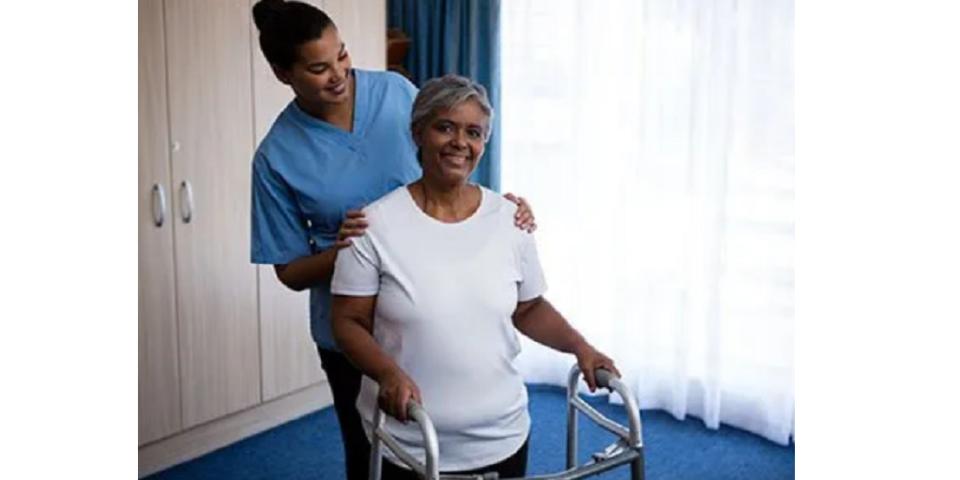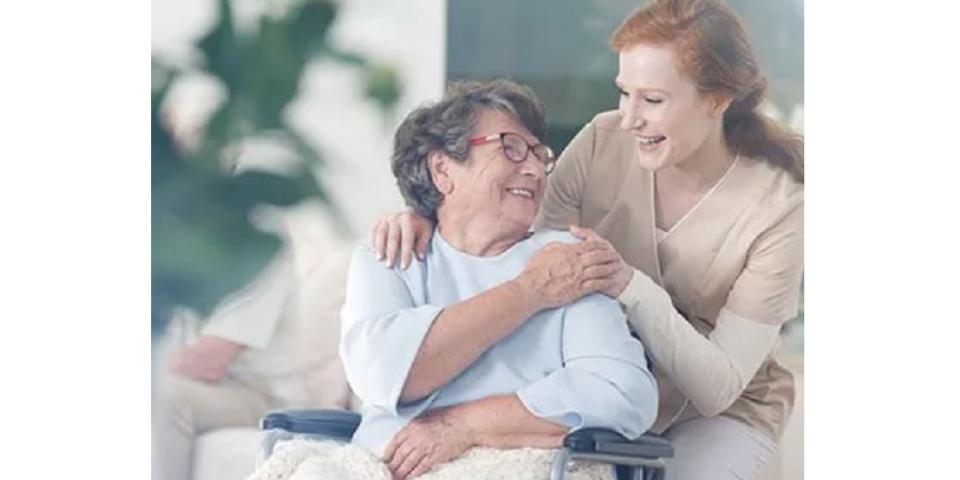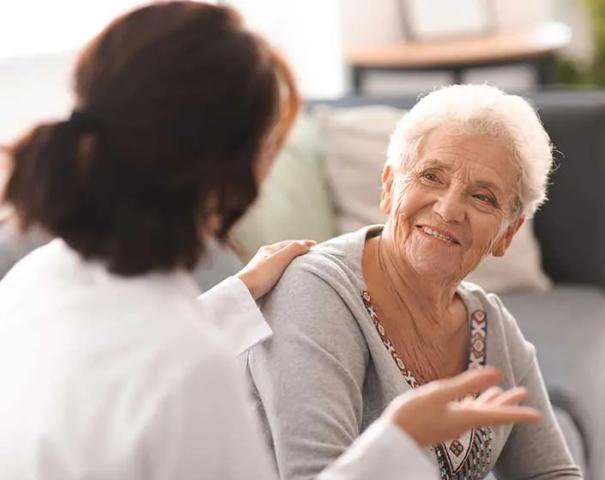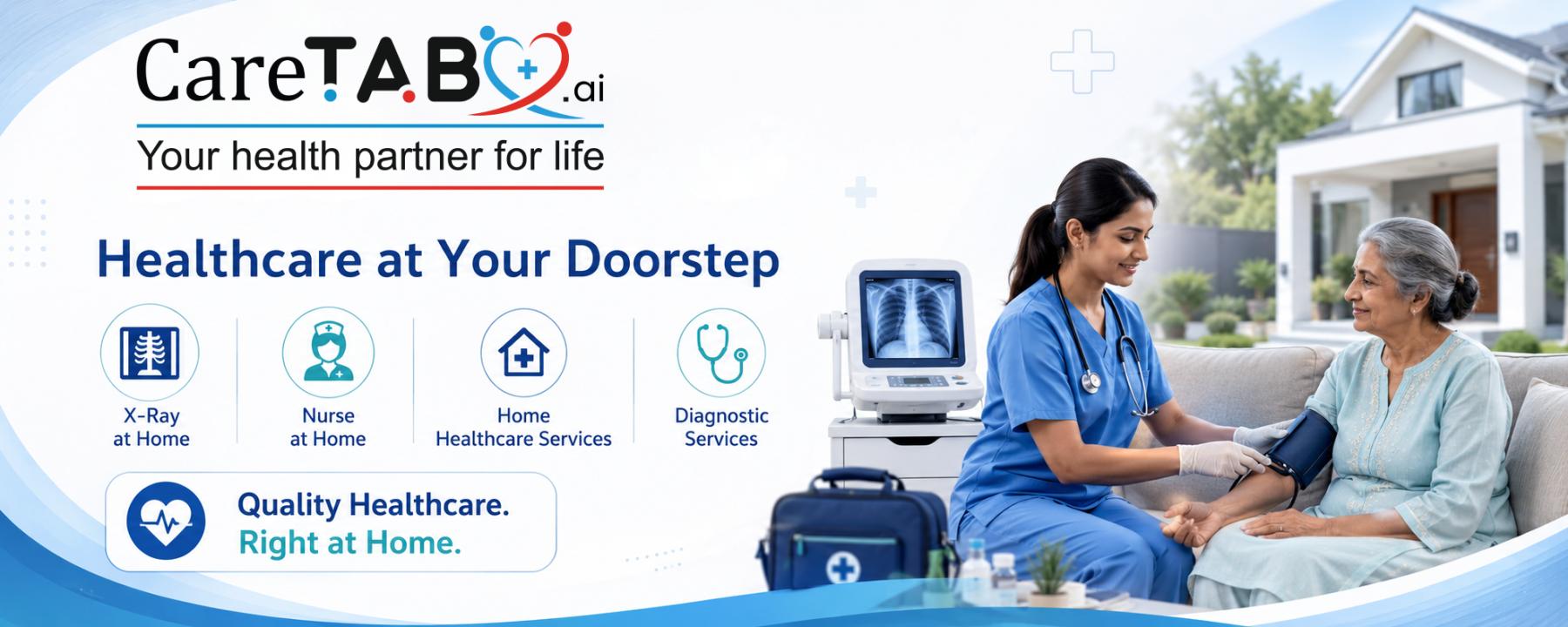
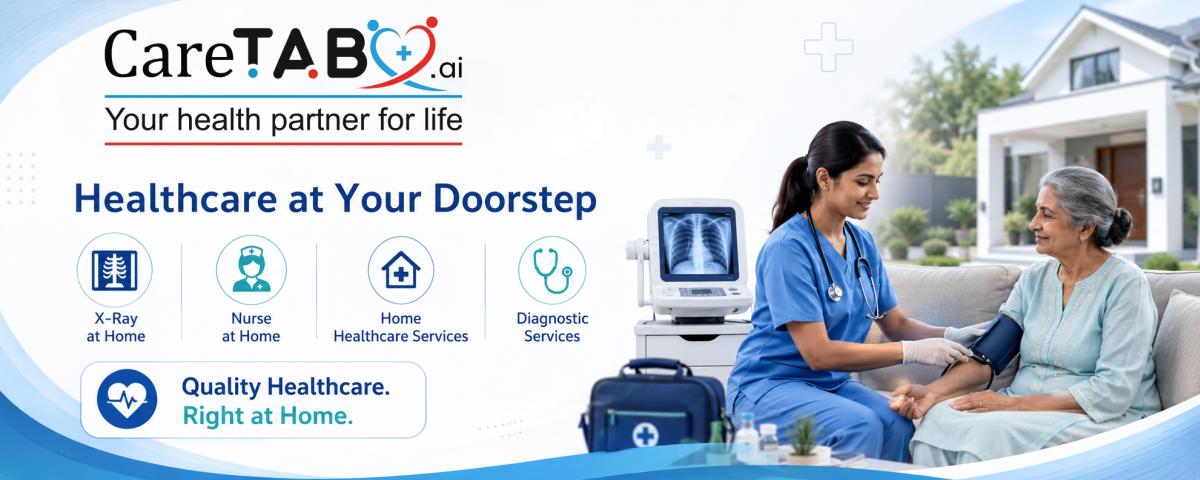
Healthcare is no longer limited to hospitals and clinics. As medical care continues to evolve, many patients are able to receive appropriate nursing support in the comfort of their own homes. Nursing care at home has become an important part of the broader healthcare system, particularly for people recovering after surgery, managing chronic conditions, supporting elderly family members, or requiring ongoing medical assistance.
Home-based nursing does not mean replacing hospitals or emergency medical services. Instead, it can provide continuity of care when a patient is medically stable and their healthcare needs can be appropriately managed outside a hospital environment.
What Is Nursing Care at Home?
Nursing care at home refers to professional nursing support provided in a patient's residence according to their individual healthcare needs and care plan. Depending on the situation, this may involve short visits for specific procedures or longer-duration nursing support.
The exact services required depend on the patient's condition and recommendations from their treating healthcare professionals.
Home nursing may include support such as:
- Monitoring routine vital signs
- Wound dressing and post-operative care
- Medication-related assistance as prescribed
- Injections and IV-related procedures when clinically appropriate
- Blood sugar monitoring
- Catheter and related care
- Support for elderly patients
- Assistance during recovery after hospital discharge
- Long-term support for certain chronic conditions
- Palliative and supportive care
Professional home nursing is therefore best viewed as an extension of appropriate healthcare services rather than simply a convenience.
Why Is Home Nursing Becoming Important?
Hospital care remains essential for emergencies, major procedures, intensive monitoring, and conditions requiring advanced medical facilities. However, not every stage of a patient's healthcare journey requires continuous hospitalization.
After a patient is discharged, there may still be a need for professional monitoring, assistance with prescribed care, or support with daily healthcare routines. This is where home-based nursing can become useful.
A familiar home environment can also make it easier for family members to participate in the patient's care. For elderly individuals or people with mobility limitations, avoiding unnecessary travel to healthcare facilities may also be practically helpful.
However, whether home nursing is suitable should always depend on the patient's medical condition and the advice of qualified healthcare professionals.
Short-Term vs. Long-Term Nursing Care
One of the advantages of home nursing services is that care can be structured around different needs.
Short-Term Nursing Care
Short-term care may be appropriate when a patient requires professional assistance for a specific procedure or temporary period.
Examples can include:
- Wound dressing
- Suture-related care
- Routine vital monitoring
- Blood glucose checks
- Certain injections
- Other prescribed nursing procedures
The duration of a visit can vary according to the service and the patient's requirements.
Long-Term Nursing Care
Some patients need ongoing assistance over an extended period. Long-term home nursing may be considered for individuals recovering from major illness or surgery, managing chronic health conditions, requiring elderly care, or receiving palliative support.
In such situations, care may involve regular monitoring and coordination with the patient's treating medical team.
Post-Hospitalization Care at Home
The transition from hospital to home can be an important stage in recovery. Patients may feel better after discharge but still require assistance with prescribed care.
Depending on the medical plan, post-hospitalization nursing may support activities such as wound management, monitoring, medication-related routines, mobility assistance, and observation of changes that should be communicated to the treating team.
Care coordination is particularly important during this period. A home nurse can become part of the wider care team by documenting relevant observations and communicating concerns according to established protocols.
The Role of Professional Nurses in Home Healthcare
Home healthcare requires more than simply having someone present with a patient. Professional nursing involves clinical knowledge, appropriate training, observation skills, communication, and adherence to healthcare protocols.
Qualified nurses can help patients and families understand routine aspects of the care plan while identifying situations that may require medical attention.
For example, monitoring vital signs or observing changes in a wound can provide useful information for the healthcare team. Nurses can also help maintain continuity between hospital instructions and day-to-day care at home.
Organizations providing home nursing services may use different staffing models and care protocols. Patients and families should therefore consider factors such as professional qualifications, training, background verification, supervision, communication with treating doctors, and the ability to customize care.
How Technology Is Changing Home Nursing
Digital healthcare technology is increasingly becoming part of home-based medical care.
Healthcare providers can use digital tools to support communication, documentation, appointment coordination, remote monitoring, and information sharing between healthcare professionals.
Virtual communication can also help connect nurses with medical officers or doctors when a care plan requires professional guidance.
This does not eliminate the need for in-person clinical assessment. Instead, technology can complement face-to-face care and potentially improve coordination between different members of a healthcare team.
Choosing a Home Nursing Service
Selecting a home nursing provider requires more consideration than simply comparing prices. Families should evaluate whether the service matches the patient's actual healthcare requirements.
Important factors may include:
- Nurse qualifications and experience
- Training and skill assessment
- Background verification
- Availability of short-term or long-term care
- Medical supervision and escalation protocols
- Communication with the treating physician
- Customized care planning
- Availability of support when needs change
- Clear information about services and charges
For families exploring professional support, services such as nursing care at home can provide information about available home nursing options, including short-term visits and longer-duration care.
The most appropriate choice should ultimately be based on the patient's medical needs and recommendations from qualified healthcare professionals.
Home Nursing and Elderly Care
Older adults may benefit from additional support when mobility, chronic health conditions, or recovery needs make independent healthcare management difficult.
Home nursing can help provide professional assistance while allowing elderly individuals to remain in familiar surroundings. Depending on the care plan, support may involve health monitoring, medication-related routines, mobility assistance, personal care, or coordination with family members and doctors.
The objective is not necessarily to make the patient completely dependent on professional caregivers. Appropriate home healthcare can instead support safety, dignity, independence, and continuity of care where clinically suitable.
The Future of Home-Based Healthcare
The healthcare industry is gradually moving toward more connected models of care in which hospitals, doctors, nurses, diagnostic services, rehabilitation professionals, and families can work together across different care settings.
As digital health platforms, remote monitoring technologies, electronic health records, and home diagnostic services continue to develop, the role of home healthcare may expand further.
At the same time, quality and patient safety must remain central. Technology can improve coordination, but professional clinical judgment, appropriate supervision, and evidence-based care remain essential.
Conclusion
Nursing care at home represents an important component of modern healthcare, particularly when patients require continued professional support outside a hospital environment. From post-surgical recovery and elderly care to chronic disease management and palliative support, home nursing can address a wide range of healthcare needs when appropriately planned.
The future of home healthcare is likely to involve greater coordination between medical professionals and technology-enabled services. However, the foundation remains the same: qualified healthcare professionals, individualized care plans, clear communication, and patient-centered support.
When these elements come together, home-based nursing can serve as a valuable bridge between hospital treatment and everyday healthcare, helping patients receive appropriate professional support in the environment where they live.