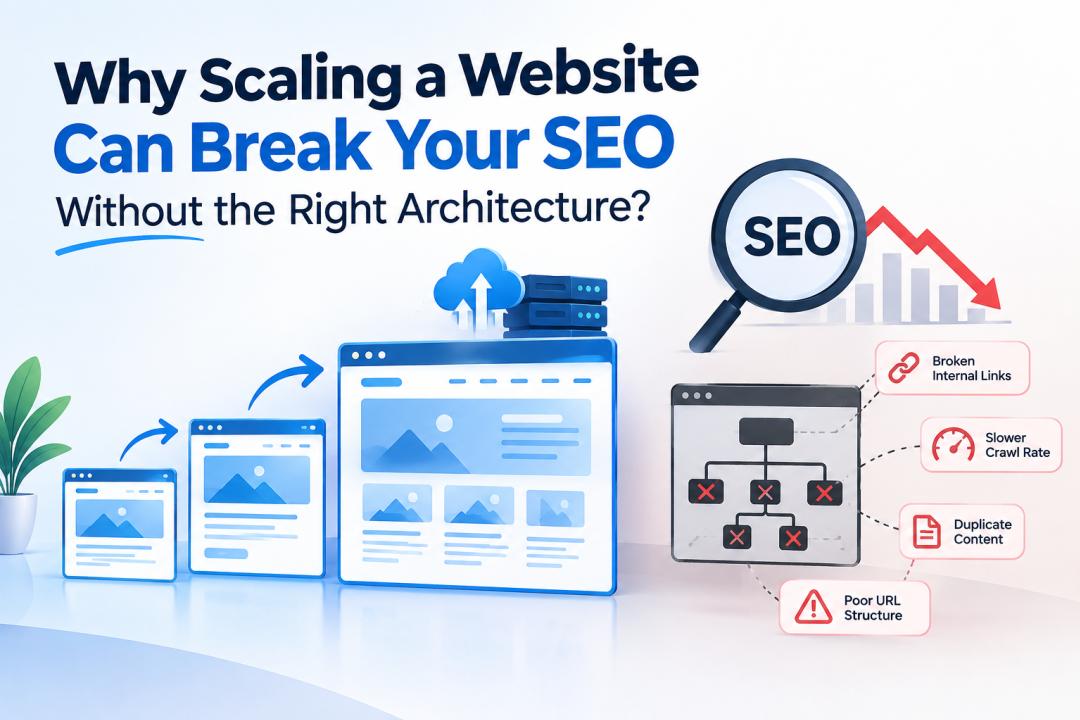
Growing a website is often seen as a sign. Adding pages can bring more services, more products, new locations, extra resources and fresh chances to reach customers using search engines.. Adding pages without a clear structure can cause serious SEO problems. When a website expands from a dozen pages to hundreds or thousands search engines need a logical way to see how those pages relate to each other. Without that foundation businesses may lose visibility produce duplicate content that's unnecessary weaken internal linking and make important pages harder to find.
In my experience website growth should never happen without SEO planning. Businesses must think about website architecture before they add pages. A planned structure lets search engines crawl content easily and lets visitors navigate the website naturally. This method is especially important, for businesses that manage services many locations, many categories or large libraries of content.
Website Growth Changes the SEO Equation
A small website can sometimes work well when the website has a simple layout. A business may own a homepage, a service pages, an, about page and a contact page. When the company grows the website usually grows too. A business might add services, open new locations create learning resources publish blog posts or develop new product categories. Every new addition changes the way the pages connect. The problem starts when a business treats every page as a separate piece. Search engines do not look at single pages. Search engines also examine how pages link together how information is organized and how easy it is to find and understand content. That is why page structure is a part of enterprise SEO services. Large websites require systems that remain organized when the number of pages keeps increasing.
Poor Architecture Can Hide Important Pages
Search engines find pages by following links and using other signals. When a website has a layout key pages can end up several clicks away from the homepage or from important category pages. This makes it hard for both visitors and search engine crawlers to reach those pages easily.
A good example is a service page that sits deep in the site but doesn’t get much internal attention. Since few other pages link to it it doesn't gain internal authority. That means it may not rank well even if the content is strong.
A solid website architecture builds connections between related content. Category pages can lead to subcategories. Service pages can connect to guides or resources. Location pages can point to services. These links help users and search engines navigate the site naturally.
Businesses should think about structure before adding much content. Every page should have a role, in the site. It shouldn’t just be another URL added without purpose. A page needs to fit into the plan to work well.
Internal Linking Becomes More Important as Websites Grow
Internal linking helps visitors navigate a website and helps search engines understand how content is related. When a website has hundreds or thousands of pages internal linking can become hard to manage.
For example picture a company that makes pages for different services and locations. If those pages do not link together in a way search engines may have a hard time deciding which pages are the most important.
A careful internal linking plan can spread authority across a site and also give visitors useful routes. Relevant pages should link together naturally not because we are adding links, for the sake of search engine ranking.
From my research big sites often get benefit when they treat internal linking as part of the overall information plan not as a task that comes after content is published.
Location Expansion Can Create Structural Problems
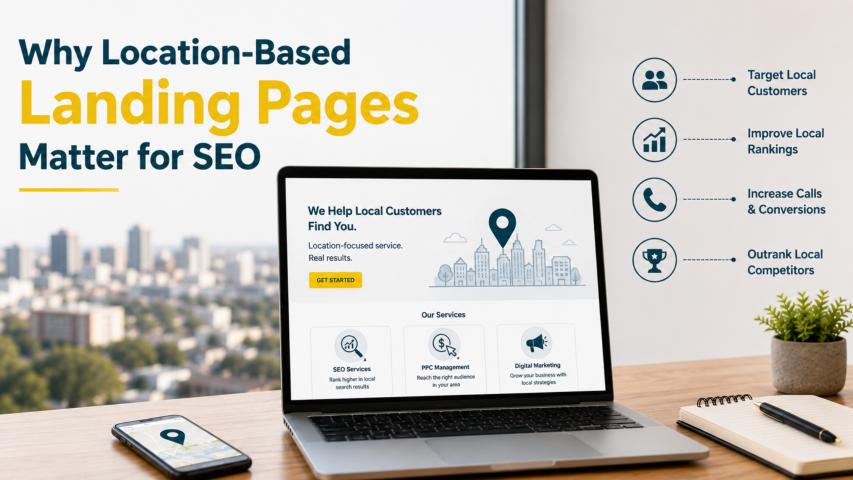
Local businesses often grow into markets. A company may start in one city. Later make pages for nearby towns. This approach can help businesses reach customers in places but careless work can produce hundreds of pages that look almost the same.
For businesses buying website design services Toledo OH adding locations must be part of the first website plan. Every location page should give facts that truly fit that market.
The same rule works for website design Toledo and for Toledo web design strategies. Businesses must not make URLs that give almost the same info only changing the city name.
Good location pages can list the services that matter local customer needs, details, about projects, areas. Other useful facts.
This method gives value instead of just adding more indexed pages.
Gainesville Businesses Face Similar Challenges
Businesses that aim to serve customers in Gainesville must also balance growth and quality. Making a page for every service. Every location can boost search chances but every page must have a clear goal.
A company that offers Web Design Gainesville FL services should arrange its website around service categories and helpful content. Visitors must quickly see which services the company offers and how those services connect.
Companies looking at a Web Design Company Gainesville FL should also ask if the development team knows how to build architecture. A website should grow with the business of needing a full rebuild whenever a new idea is added.
Website Design Gainesville FL can lay a solid foundation that lets new pages fit, in while keeping navigation clear and technical structure strong.
Duplicate Content Can Multiply During Expansion
Website growth often leads to an issue: duplication.
When websites grow businesses might build pages that focus on similar keywords but don’t offer enough unique value. This can happen with location pages, service pages, product variations and category pages. These pages can end up covering the ground by accident.
Search engines try to figure out which page gives the answer for a given search. If several pages on the site aim for the same purpose it becomes harder for the search engine to pick the most relevant one. The result is that the website’s authority gets spread too thin.
A strong scalable structure helps avoid this. It should make differences between types of pages. Service pages must focus on what the service offers. Location pages should give details about each place. Educational content ought to answer questions people have.
This way every page has its job. Of competing each one supports the others. The website becomes more organized and more useful, for both visitors and search engines.
URL Structure Should Support Future Growth
URLs give an architectural signal. A logical URL structure helps users and search engines see where a page fits inside the website.
I see that a business can group related services under categories instead of making random URLs that have no connection to each other.
The exact URL structure depends on the business. Consistency matters a lot. A website that follows URL patterns becomes much easier to manage when it grows.
Professional Toledo website design should think about scalability rather than only, about how the website looks when it launches. I know that a beautiful website can still become hard to manage if its underlying URL structure is not organized.
Design and SEO Should Be Planned Together
Website design and search engine optimization often perform best when teams work on both from the start. Designers concentrate on the experience, for users while people who specialize in SEO think about how search engines crawl, how pages get indexed how content connects and what people are looking for when they search.
When these areas are handled on their own issues can come up later. A design group might make a navigation system that looks neat but hides pages. An SEO group might suggest content without thinking about how that content will work with the way people use the site.
A professional Website Designing Company Gainesville can help bring these goals. Designers and developers can create navigation, templates, category setups and page designs that help both visitors and search engines.
In the way a Website Designing Company Gainesville can build systems that can be used again and again. This lets businesses add pages without having to redesign the whole website every time.
Enterprise SEO Requires a Scalable Mindset
Enterprise websites need an approach than small websites because the scale of problems changes everything. A technical issue, on one page can become a problem when the same template creates thousands of URLs.
Enterprise SEO teams must watch crawlability, indexation, redirects, internal links, canonical signals, page templates, content quality and technical performance.
Market research shows that businesses cannot depend on publishing pages alone to get lasting organic growth. They need a structure that keeps content discoverable and understandable as the site grows.
That is why enterprise SEO services should work with development and design teams. SEO should shape architecture, templates, navigation and content organization from the start.
Scalability Should Be Part of the Original Strategy
One of the mistakes businesses make is designing a website only for the size it has today. Businesses build a structure that works for thirty pages and then find that it becomes hard to manage once the site reaches five hundred pages.
A scalable website anticipates growth. Developers can create templates, logical content categories, consistent navigation, structured internal links and manageable URL patterns.
This does not mean businesses must build complexity from day one. Instead businesses should create a foundation that can adapt as the company expands.
Conclusion
Website growth can bring chances for better search engine rankings but expanding without the right setup can quickly turn those chances into issues. More pages don't always mean more people coming to the site through search engines. Companies need a setup that helps search engines find content see how pages are connected and spot the best resources.
From website design services in Toledo OH to Web Design in Gainesville FL companies should think of structure as a part of their online plan. Good menus, web addresses helpful links inside the site original content and easy-to-use templates can help a website stay neat as it gets bigger.
From what I know the best way is to use website design, development, content planning and big company SEO services from the start. When companies make their site with growth in mind they can keep adding features, new places and new resources without making their website structure hurt their search engine rankings.
A website should grow along, with the business—not grow fast and get messy hard to use or hard to find.