
Cold and flu season arrives on a predictable schedule every year, yet most households wait until someone is already sick to start thinking about remedies. Preparing ahead of time, both with supplies and with daily habits, makes a meaningful difference in how quickly your family bounces back when illness does show up.
This kind of preparation does not require anything elaborate. A little planning in late summer or early fall goes a long way toward feeling ready rather than caught off guard once the colder months arrive.
Stocking Your Natural Remedy Cabinet
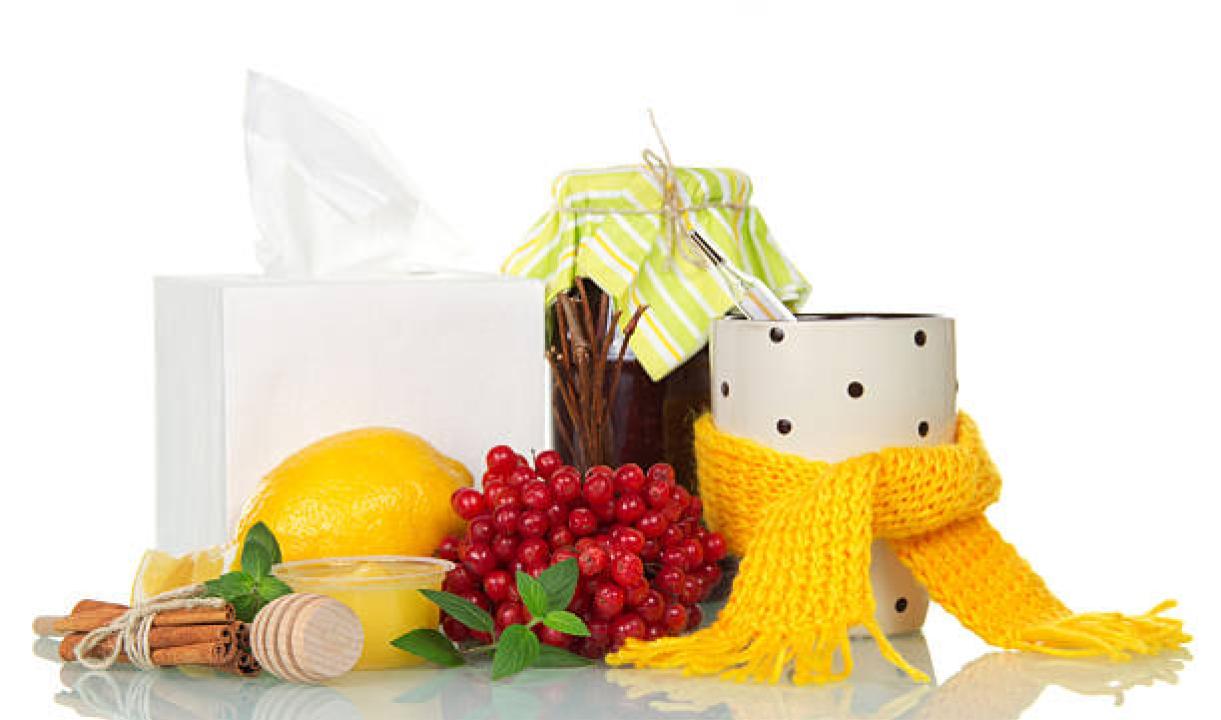
Before the season fully arrives, take stock of what herbs, teas, and simple remedies you already have on hand versus what needs replenishing. Elderberry, echinacea, ginger, and honey form a solid foundation that addresses the majority of common cold symptoms your household is likely to encounter.
Having a few prepared remedies ready to go, rather than scrambling to research and gather ingredients after someone is already feeling unwell, saves both stress and time. A well-stocked cabinet also encourages you to actually use these remedies early, when they tend to be most helpful.
Supporting Immune Function Through Diet
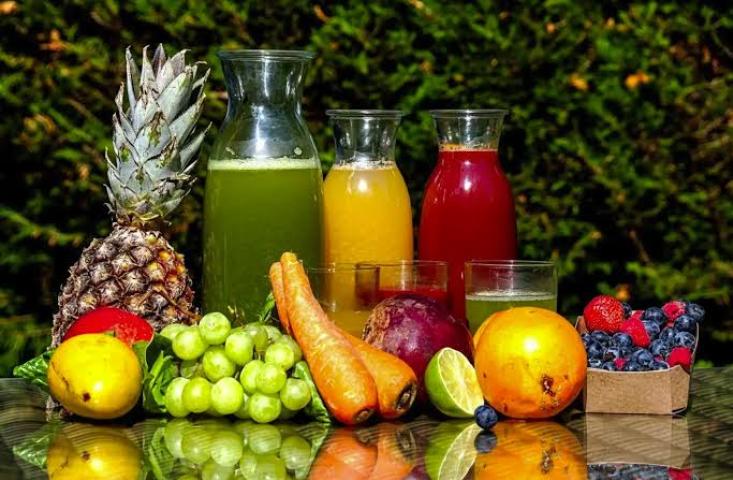
Nutrition plays a foundational role in how well your body handles seasonal illness, and a few simple dietary adjustments can meaningfully support immune function. Increasing intake of vitamin C rich foods, garlic, and colorful vegetables during the fall months gives your body more of the raw materials it needs.
Bone broth, simmered slowly with vegetables and herbs, has long been a traditional food for supporting recovery and general wellness during colder months. Keeping a batch in the freezer means you always have a nourishing, easy-to-digest option ready when appetite drops during illness.
Establishing Sleep and Stress Habits
Chronic sleep deprivation and ongoing stress both measurably weaken immune function, making illness more likely and recovery slower when it does occur. Establishing a consistent sleep schedule as the days grow shorter helps regulate the body's natural rhythms heading into the season when illness is most common.
Simple stress-reduction practices, whether that means a short walk, quiet time with tea, or another calming ritual, support the body's resilience in ways that are easy to overlook amid a busy schedule. These habits matter just as much as any herbal remedy when it comes to actually staying well.
Preparing for Symptom Relief
Even with the best preventive habits, most households will still deal with at least a mild cold at some point during the season. Having a plan for symptom relief already in place means less scrambling when the first sniffle or scratchy throat appears.
A collection of tested natural remedies for sore throat, whether that means a honey and lemon tea, a warm salt gargle, or a soothing herbal syrup, gives you options ready to use as soon as symptoms start rather than researching remedies while already feeling unwell. Keeping these preparations simple enough that a tired, congested person can still make them matters more than finding the most elaborate recipe available.
Strengthening Household Hygiene Practices
Basic hygiene remains one of the most effective tools for reducing illness transmission within a household, especially once one family member falls sick. Regular handwashing, separate towels during active illness, and frequent cleaning of commonly touched surfaces all reduce the spread of viruses between family members.
These practices are simple enough that most households already know them, yet consistency often slips during the busy fall and winter months. A brief seasonal reminder, posted somewhere visible in the kitchen or bathroom, helps keep these habits front of mind.
Creating a Family Wellness Plan
Beyond individual remedies and habits, it helps to have a general plan for how your household handles illness when it strikes. Deciding in advance who manages remedy preparation, how symptoms will be tracked, and when a doctor's visit becomes necessary removes a layer of stress from an already uncomfortable situation.
Writing this plan down, even informally, ensures everyone in the household understands the approach rather than figuring it out from scratch during an actual illness.
Involving the Whole Family in Preparation
Cold and flu season affects every member of a household differently, and involving everyone in the preparation process, even young children in age-appropriate ways, builds shared investment in the household's wellness routine. Children can help wash and prepare herbs, choose which teas they enjoy most, or simply learn why the family keeps a stocked remedy cabinet in the first place.
This kind of involvement also means that when illness does strike, family members already understand the household's approach rather than encountering it for the first time while feeling unwell. A shared sense of preparation tends to reduce anxiety around seasonal illness for the whole family, not just the person managing the remedies.
Adjusting Your Approach Based on Last Year's Experience
Each cold and flu season offers useful information about what worked well for your household and what did not, and reviewing that experience before the next season begins improves your preparation considerably. If a particular remedy sat unused while another ran out quickly, that is valuable information for adjusting what you stock going forward.
Taking a few minutes each fall to reflect on the previous year, perhaps jotting down brief notes about which teas or preparations were most helpful, turns seasonal preparation into an improving process rather than starting from scratch every year.
Budgeting for Natural Wellness Preparation
Building a natural approach to cold and flu season does not need to be expensive, particularly when compared to the ongoing cost of over-the-counter cold remedies purchased repeatedly throughout the season. A modest initial investment in quality dried herbs, honey, and basic preparation supplies typically lasts an entire season or longer with proper storage.
Growing your own herbs where possible reduces this cost even further, turning a small garden corner or a few windowsill pots into an ongoing, renewable source of wellness supplies. Planning this investment in late summer, when herbs and supplies are often more readily available, spreads the cost out naturally ahead of the season when budgets may already feel stretched by other seasonal expenses.
Sharing Preparation Tasks Across Busy Schedules
Fall preparation often competes with a busy back-to-school or harvest-season schedule, making it easy to postpone indefinitely. Breaking the process into small tasks, like restocking one herb category per week rather than doing everything at once, makes seasonal preparation far more achievable for a busy household.
Entering the Season With Confidence
Preparing for cold and flu season naturally does not guarantee anyone will avoid illness entirely, since that is simply not realistic. What it does provide is a sense of readiness and a set of practical tools that make illness, when it does occur, more manageable and often shorter in duration.
A little preparation now, before the season is in full swing, pays dividends in both physical comfort and peace of mind for the months ahead.