An interior design business can have exceptional creative skills and still struggle to maintain a regular flow of projects. The challenge is often not the quality of the service but the ability to consistently reach people who need that service.
Modern customers usually research extensively before hiring a design professional. They look at completed projects, compare different companies, read customer feedback, and search for information about the design process.
A carefully planned online strategy can help an interior design company become visible during this research and create more opportunities for new projects.
Start With the Right Market
Every interior design company has its own strengths. Some may specialize in residential properties, while others may focus on commercial spaces, offices, hospitality projects, or premium homes.
Decide which segment is most important for your business.
Once your target market is clear, your website, advertisements, content, and social media can be tailored toward those customers. This makes your communication more specific and relevant.
Understand the Problems Your Audience Faces
Good marketing begins with understanding customer concerns.
A homeowner may be worried about managing costs or making the best use of limited space. A commercial client may be more concerned about deadlines, functionality, and coordinating different requirements.
Create content that addresses these challenges instead of simply listing your services.
When your business provides useful answers before the sale, potential clients are more likely to view you as a knowledgeable professional.
Create a Strong First Impression
Your website is often one of the first places a prospect evaluates your business.
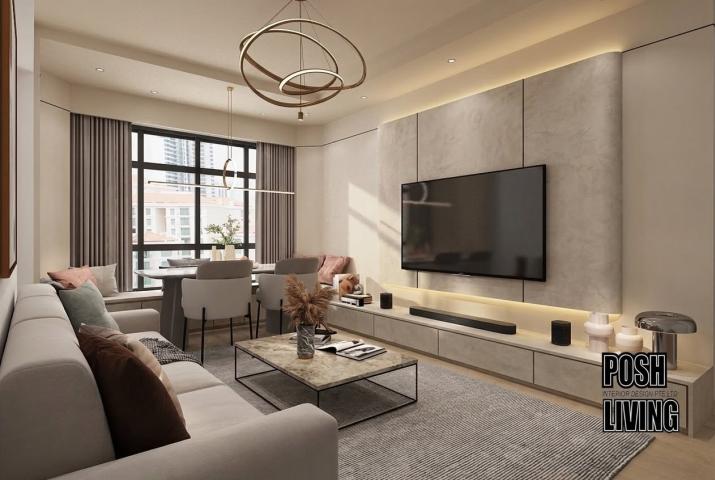
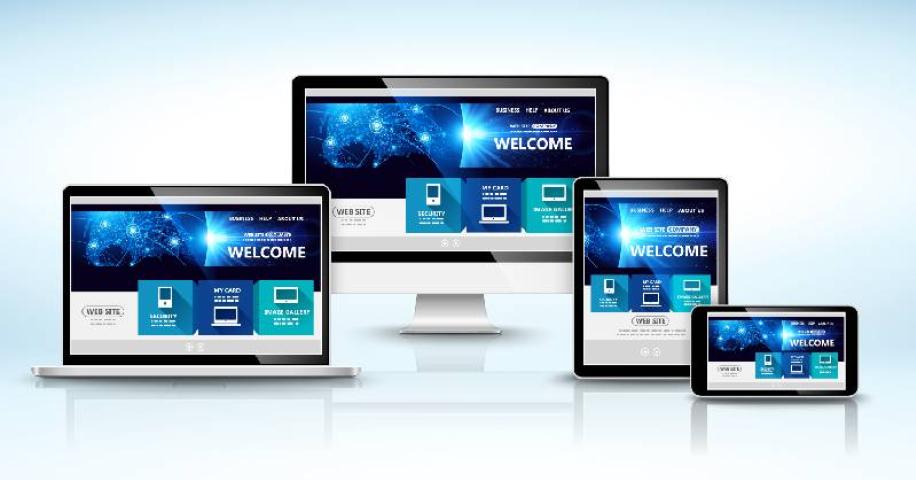
Use high-quality project images, clear service descriptions, client reviews, and well-organized information. Avoid clutter and make sure visitors can quickly understand what your company does.
Your website should communicate professionalism from the first interaction.
Highlight Your Design Process
Clients are not only interested in the final result. They also want to know what working with you will be like.
Explain your process in simple stages, such as:
- Initial consultation
- Understanding requirements
- Concept development
- Design presentation
- Material selection
- Execution and coordination
- Final handover
Showing the process can reduce uncertainty and help prospects understand the value of professional design services.
Use Content to Reach Early-Stage Buyers
A person may discover your company long before they are ready to hire you.
Blog articles, guides, videos, and informative pages can help you stay visible during this early research stage.
Consider creating content around questions such as:
- What should be planned before starting an interior project?
- How can homeowners avoid common design mistakes?
- What should be considered when designing a small apartment?
- How can office interiors improve productivity?
- What factors influence project costs?
- How should clients prepare for a renovation?
This type of content can attract people who are actively learning about their upcoming project.
Show Different Types of Work
A diverse portfolio can demonstrate your range, but relevance is even more important.
Organize your work into useful categories so visitors can quickly find projects similar to theirs.
For example, separate residential projects from office, retail, restaurant, and hospitality work.
When prospects see examples that closely match their requirements, they can more easily visualize what your company could create for them.
Strengthen Your Local Reach
Interior design projects are generally connected to a particular location. Customers want to know whether a designer works in their city or region.
Clearly mention the areas you serve and create location-focused content where appropriate.
Local project examples, testimonials, and service pages can make your business more relevant to nearby prospects.
Use Paid Campaigns With a Clear Purpose
Advertising can help increase visibility, but every campaign should have a specific objective.
You might run campaigns to promote a particular service, generate consultation requests, or reach people searching for interior design solutions in selected locations.
Avoid sending every advertisement to the same generic homepage. A dedicated landing page can provide information directly related to the campaign and make it easier for visitors to take action.
Make Enquiries Easy
Once someone decides they are interested, contacting your business should be simple.
Use prominent enquiry buttons, short forms, phone options, and clear calls to action.
Ask for useful information without making the form unnecessarily long. Basic project details can help your team understand the enquiry and prepare for the first conversation.
Focus on Lead Quality
Generating enquiries is only useful when those enquiries have genuine potential.
A targeted interior design lead generation service can help businesses focus on prospects based on factors such as location, property type, project scope, and customer intent.
This allows design companies to spend more time on opportunities that are relevant to their services.
Create a Follow-Up Routine
Not every prospect will make a decision immediately.
Some may still be comparing designers, waiting for construction to finish, or arranging their budget.
A structured follow-up process can keep these prospects connected with your business. Share useful information, answer questions, and provide relevant project examples when appropriate.
The goal is to remain helpful without becoming intrusive.
Measure the Entire Customer Journey
Marketing performance should be evaluated beyond clicks and website visitors.
Track how prospects move through different stages:
Discovery → Website Visit → Enquiry → Qualification → Consultation → Proposal → Project
This helps you identify where improvements are needed.
For example, if your website receives plenty of visitors but very few enquiries, your conversion experience may need attention. If you receive many enquiries but few consultations, the targeting may need improvement.
Use Professional Marketing Expertise
Managing SEO, advertising, content, social media, website optimization, and analytics can be demanding for a design company that is already handling multiple projects.
An experienced Digital Marketing Agency can help create and manage a coordinated strategy focused on attracting suitable prospects and improving conversions.
Professional support can also provide access to campaign analysis and optimization that may be difficult to manage internally.
Build a System Instead of Chasing Leads
Long-term growth comes from creating a repeatable process.
Your website should attract visitors, your content should educate them, your portfolio should demonstrate your capabilities, and your enquiry system should make contacting you easy.
After that, qualification and follow-up should help turn suitable prospects into actual project opportunities.
Conclusion
A consistent flow of clients does not happen by chance. Interior design companies need to combine strong presentation, useful information, targeted visibility, simple enquiry processes, and effective follow-up.
When each part of the customer journey is carefully planned, online marketing can become a dependable source of new project opportunities.
The objective is not simply to attract more people. It is to attract the right people and give them enough confidence to take the next step.