Interior design businesses depend on creativity, expertise, and strong client relationships, but maintaining a regular flow of new enquiries is equally important. A beautiful portfolio may attract attention, yet potential customers still need clear reasons to contact a design professional. This is where a well-organized digital marketing approach can help interior businesses connect with relevant audiences and create a predictable path from online discovery to consultation.
Start With a Defined Customer Profile
Every interior design company serves a particular type of audience. Some businesses specialize in luxury residences, while others focus on apartments, offices, restaurants, retail stores, or commercial properties. Understanding the ideal customer makes marketing campaigns more focused.
Businesses can define audiences according to location, property type, budget range, project size, and expected completion timeline. This information can then be used to develop advertisements and content that are more relevant to potential customers.
Make the Portfolio Work Harder
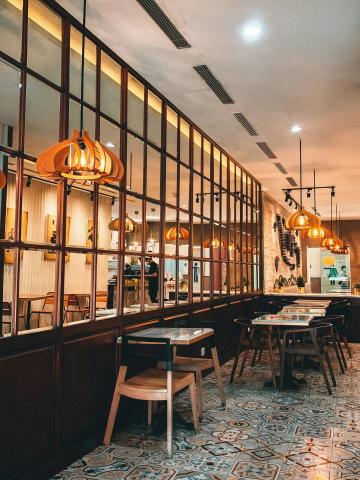
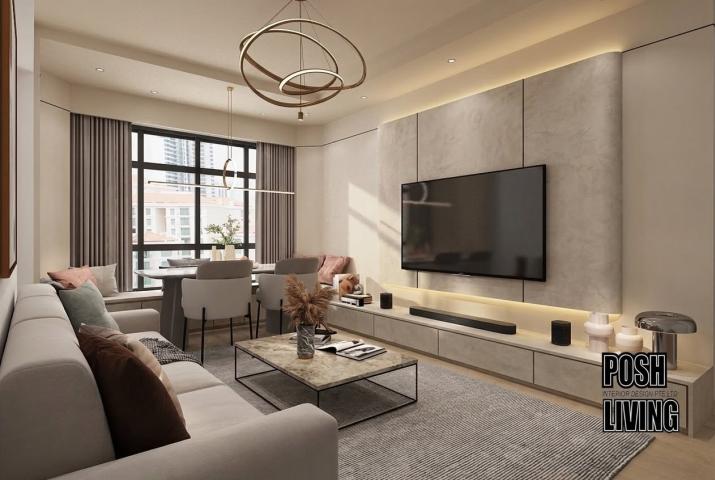
A portfolio should do more than display attractive photographs. It should explain the challenges involved in each project and show how the design team addressed them. Case studies can highlight space planning, material selection, functionality, and the final transformation.
For businesses investing in interior design lead generation, portfolio content can become an important part of the conversion process. Visitors who understand the company's approach are more likely to make an informed enquiry.
Create Dedicated Campaigns
Generic advertising can bring visibility, but specialized campaigns can help businesses reach people with specific requirements. For example, separate campaigns can target homeowners searching for residential design services and businesses looking for commercial interior solutions.
An interior lead generation company can help organize these campaigns by developing audience segments, advertising messages, landing pages, and tracking systems. Campaigns can then be adjusted according to the quality of enquiries they generate.
Improve the Enquiry Experience
A potential client should not have to search through several pages to find out how to contact a designer. Landing pages should clearly communicate services, project expertise, locations served, and the next step.
Short enquiry forms can request useful information such as property type, approximate budget, preferred location, and project timeline. This allows the business to understand the prospect before the first conversation.
Measure More Than Lead Quantity
A campaign producing hundreds of enquiries may not necessarily deliver valuable business opportunities. Marketing teams should examine whether prospects match the company's services and whether they eventually move toward consultations or proposals.
Working with an interior lead provider can help businesses establish tracking around lead sources, enquiry quality, response rates, and conversion activity. These insights can reveal which marketing channels deserve greater attention.
Strengthen Follow-Up Processes
Once an enquiry arrives, timely communication becomes important. Potential clients may contact several designers while comparing portfolios, pricing, and services. A delayed response can result in a missed opportunity.
Businesses can create simple follow-up systems that categorize enquiries according to project type and urgency. Personalized communication can then be used to understand the client's expectations and determine whether the project is suitable.
Connect Marketing With Business Goals
Marketing should support the actual capacity and objectives of the design company. If a firm wants larger commercial projects, campaigns should focus on relevant decision-makers rather than generating general enquiries.
For example, interior project leads can be evaluated according to location, project value, scope, and timeline before being passed to the sales or design team. This creates a clearer connection between marketing activity and business development.
Maintain a Consistent Growth Cycle
A successful acquisition strategy requires continuous improvement. Campaign data, website performance, customer feedback, and sales outcomes can all provide useful information for future decisions.
The lead interior designer and business development team can use these insights to understand which types of prospects are most relevant and which services attract stronger demand. Over time, this creates a more structured process for attracting, qualifying, and converting potential clients.
A thoughtful digital acquisition system allows interior design businesses to move beyond occasional enquiries and build a more consistent sales pipeline. By combining targeted campaigns, strong portfolio content, useful landing pages, measurable performance, and organized follow-up, businesses can create better opportunities while keeping their focus on delivering creative and functional design solutions.