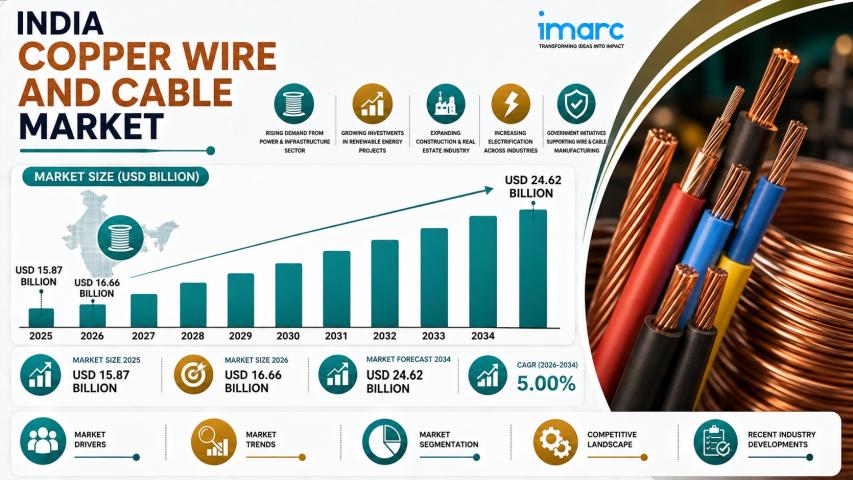
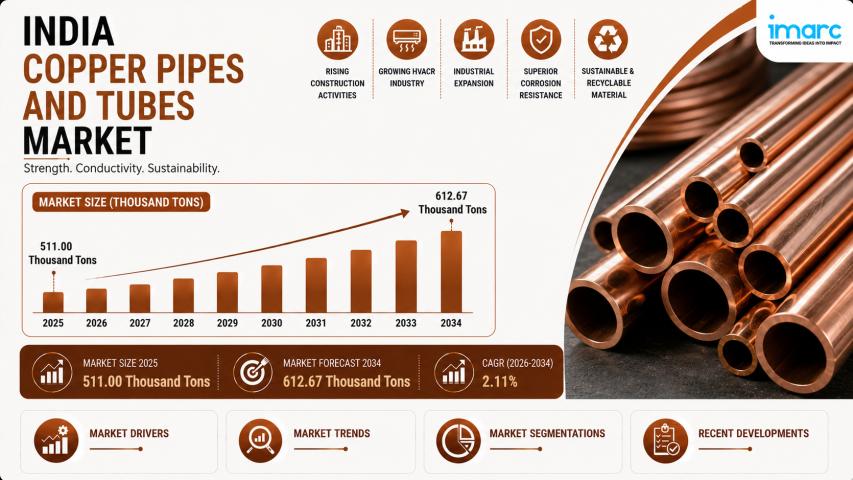
The copper stocks in India play an important role in manufacturing, infrastructure, construction, power, and emerging clean-energy industries. Copper is valued for its superior quality of electrical and thermal conductivity, durability, moisture resistance, and recyclability. As India grows rapidly with its networks, electrical components, and renewable energy, the demand for copper is expected to remain important. Understanding the copper industry value chain, major end uses and industry structure provides useful insight into how this strategic metal moves from mining and refining to finished products.
Copper Value Chain in India
The copper value chain in India commences with the extraction of copper ore. Mining involves the extraction of copper materials which are then processed to increase their copper concentration. The concentrated material goes through smelting and converting to produce copper blister or anode copper. Refining is the next stage, where impurities are removed through processes such as electrorefining to produce high-purity refined copper.
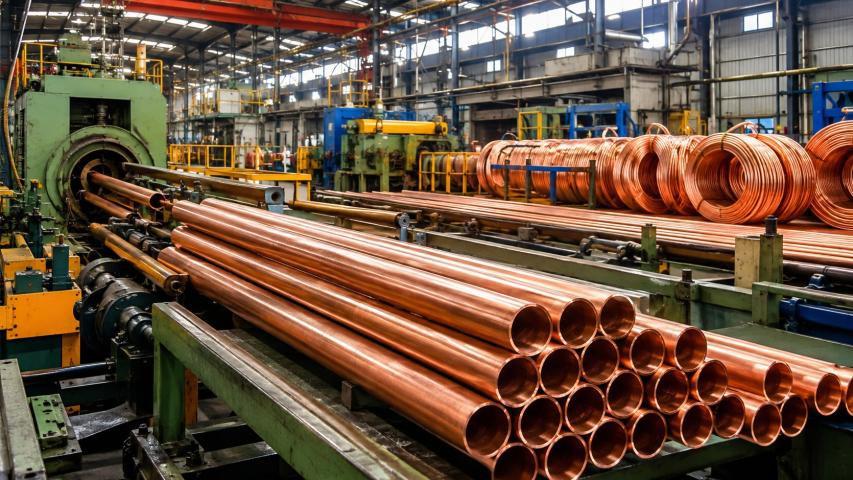
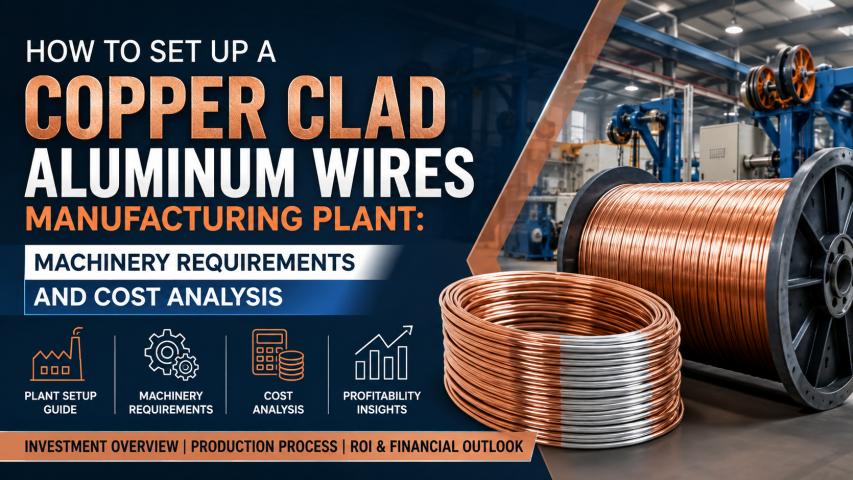
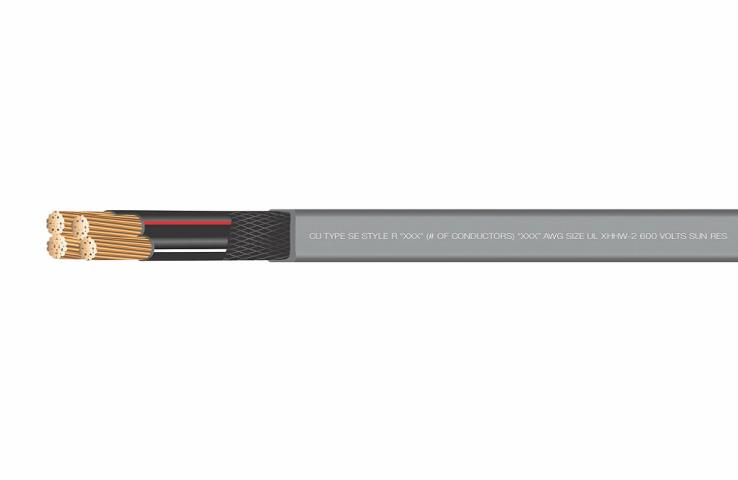
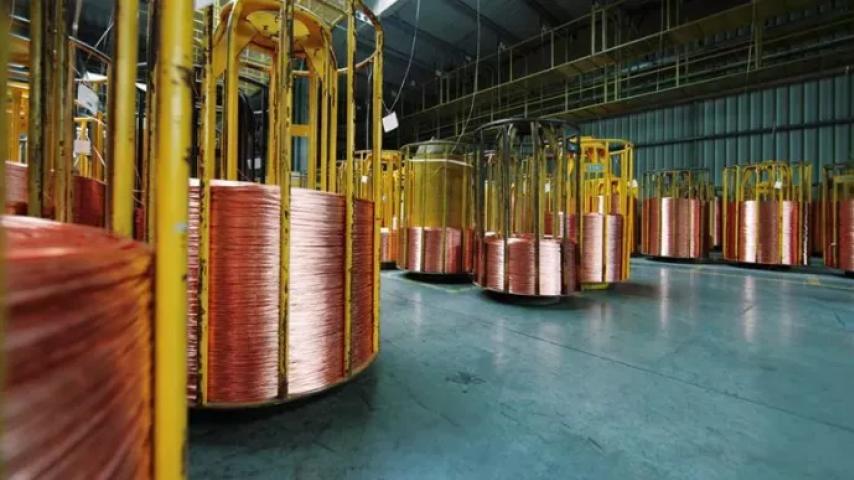
Refined copper is then converted into products such as copper cathodes, rods, wires, sheets, strips, tubes, busbars and other components. Copper rods are particularly important because they are further processed into electrical wires and cables. Recycling is another important part of the value chain. Scrap copper can be collected, processed, and returned to manufacturing, reducing the need for fresh raw materials while supporting resource efficiency.
Major End Uses of Copper
Copper has a wide range of applications across the Indian economy. Electrical and electronics manufacturing is one of its largest end-use segments because copper efficiently carries electricity. It is extensively used in power cables, transformers, motors, generators, switchgear, and electrical equipment.
The construction industry also uses copper in electrical wiring, plumbing systems, roofing and HVAC applications. Copper is increasingly relevant to renewable energy projects, where it is used in solar installations, wind turbines, power transmission and energy-storage infrastructure. The growth of electric vehicles is another potential demand driver because EVs generally require substantial amounts of copper in motors, wiring, batteries and charging infrastructure.
Industrial Inside
The copper stocks in India comprise mining companies, smelters and refiners, copper rod manufacturers, fabricators, cable producers, and recycling businesses. The industry has both integrated and downstream players. Integrated producers can participate across several stages, from mining and smelting to refining and manufacturing, while downstream companies generally purchase refined copper or copper rods and convert them into specialised products.
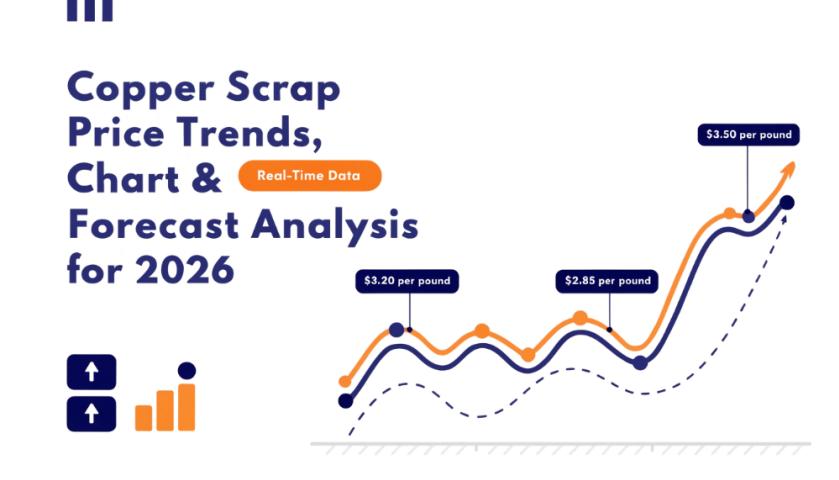
India's copper supply also depends on domestic production, imports and recycled material. Changes in global copper prices, energy costs, mining output, infrastructure investment and international trade can influence the industry's economics.
Future Outlook for the Copper Sector
The outlook for the copper stocks in India is closely linked to infrastructure development, electrification and industrial growth. Expansion of renewable energy, electric mobility, data centres, transmission networks and manufacturing could create additional demand. At the same time, challenges such as raw-material availability, import dependence, energy consumption and commodity-price volatility remain important considerations.
Conclusion
The copper stocks in India are a wide and diverse ecosystem connecting mining, processing, refining, manufacturing, fabrication and recycling. Its importance extends beyond traditional electrical applications to renewable energy, electric vehicles and modern infrastructure. As India's economy becomes increasingly electrified, understanding the copper value chain and industry structure is essential for evaluating the metal's growing strategic and industrial significance.