Global HDPE Price Trends & Updates – Q2 2026
HDPE Prices 2026 showed a broad regional spread during Q2, with benchmarks ranging from USD 991/MT in Germany to USD 1,327/MT in the United Kingdom. The supplied dataset does not contain Q1 2026 benchmark values, so a verified quarter-on-quarter percentage change cannot be calculated without introducing unsupported data. The HDPE Price Index provides a useful framework for monitoring regional price movements. The High Density Polyethylene (HDPE) price trend during Q2 reflected differences in feedstock economics, downstream polymer demand, plant operating rates, freight, and regional supply availability.
According to IMARC Group's Q2 2026 price-tracking database and methodology, regional polyethylene pricing needs to be assessed alongside local production costs and trade flows rather than through a single global benchmark. The Q2 spread therefore provides an important reference for procurement planning and supplier negotiations.
High Density Polyethylene (HDPE) Price Chart: Q2 2026 Regional Price Snapshot
- USA: USD 1,194/MT
- China: USD 1,023/MT
- Germany: USD 991/MT
- United Kingdom: USD 1,327/MT
- Brazil: USD 1,042/MT
The Q2 spread shows meaningful regional cost differences, with the United Kingdom recording the highest benchmark and Germany the lowest among the supplied locations. The USA remained above China and Brazil, while China and Brazil stayed relatively close. These differences can reflect feedstock costs, production economics, operating rates, import exposure, freight, and downstream demand. For buyers, delivered cost should be evaluated alongside grade, origin, contract terms, and logistics.
Q2 2026 Price Analysis: How Did Regional HDPE Benchmarks Perform?
North America: USA HDPE Price
The USA benchmark stood at USD 1,194/MT in Q2 2026. Demand from packaging, pipes, containers, consumer products, and industrial applications continued to influence purchasing requirements. Regional supply availability, ethylene economics, plant operating rates, and domestic logistics remained important variables for buyers.
Asia-Pacific: China HDPE Price
China recorded USD 1,023/MT in Q2 2026. The benchmark remained below the USA level, reflecting differences in production economics and regional supply conditions. Packaging, construction-related applications, consumer goods, and industrial processing remain important demand segments, while domestic production and import flows influence market availability.
The supplied dataset does not include verified Q2 2026 prices for Japan or India, so no country-level benchmark or trend is assigned to those locations.
South America: Brazil HDPE Price
Brazil recorded USD 1,042/MT in Q2 2026. The relatively close positioning to China indicates a narrower benchmark gap than that observed with the USA and UK. Local demand, import requirements, currency conditions, freight, and domestic availability can influence procurement economics.
The supplied data also include Germany at USD 991/MT and the United Kingdom at USD 1,327/MT. These figures are retained in the regional snapshot but are not assigned to an additional Europe section because the requested structure specifically excludes one.
Supply and Demand Overview – Q2 2026
Q2 purchasing conditions were influenced by the balance between polymer availability and demand from major consuming industries. HDPE is widely used in packaging films and containers, pipes, bottles, household products, industrial components, and other applications, making demand conditions across several downstream sectors relevant to resin procurement.
Supply economics remain closely connected to ethylene costs, refinery and cracker operating rates, polymer plant utilization, maintenance schedules, inventory levels, and import availability. Freight costs can further widen differences between domestic and imported material.
For procurement managers, supplier lead times and delivered costs are important alongside the headline resin price. Product grade, melt-flow requirements, density specifications, contract structure, and origin can also affect the final purchasing decision.
High Density Polyethylene (HDPE) Price Trend & Historical Analysis: Q2 Index Movement
The Q2 2026 benchmarks show a regional price hierarchy rather than a uniform global price. Germany recorded USD 991/MT, followed by China at USD 1,023/MT, Brazil at USD 1,042/MT, the USA at USD 1,194/MT, and the United Kingdom at USD 1,327/MT.
A precise Q1-to-Q2 index movement cannot be calculated from the supplied information because Q1 2026 benchmark values were not provided. Consequently, the Q2 figures should be used as a verified reference point rather than presented as a calculated quarterly increase or decline.
For historical comparisons, buyers should maintain consistent product grade, pricing basis, geography, and delivery terms. This prevents changes in specifications or logistics from being incorrectly interpreted as underlying resin-price movement.
High Density Polyethylene (HDPE) Price Forecast 2026: Next 12 Months
Over the next 12 months, HDPE pricing is likely to remain sensitive to ethylene feedstock economics, polymer production rates, downstream packaging and pipe demand, inventory levels, freight, and international trade flows.
Energy and feedstock costs will remain important determinants of producer margins. Any significant change in cracker utilization or polymer plant availability can alter regional supply balances. At the same time, weaker downstream purchasing or elevated inventories could limit upward pricing pressure in individual markets.
Procurement teams should monitor regional quotations rather than relying exclusively on a global benchmark. Contract timing, supplier location, freight exposure, and product grade can materially affect the effective purchase cost.
Key Factors Affecting HDPE Prices: Quarterly Perspective
Several factors can influence quarterly HDPE pricing:
- Ethylene and feedstock costs: HDPE production economics are strongly linked to ethylene availability and pricing.
- Energy costs: Electricity, natural gas, and other operating expenses affect polymer production costs.
- Plant operating rates: Maintenance, outages, and utilization changes can alter regional supply.
- Downstream demand: Packaging, pipes, construction, consumer goods, and industrial applications influence resin consumption.
- Freight: Ocean, container, and inland transportation costs affect delivered import prices.
- Trade flows: Import and export movements can change local supply availability.
- Inventory levels: Higher inventories can reduce immediate buying requirements, while tight stocks can increase procurement urgency.
- Product specifications: Different HDPE grades and applications can carry different commercial values.
What Is High Density Polyethylene (HDPE)?
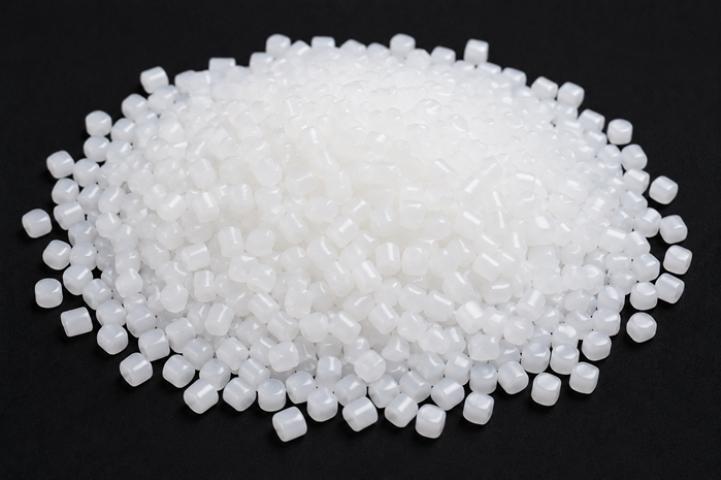
High Density Polyethylene (HDPE) is a thermoplastic polymer produced primarily through the polymerization of ethylene. Its combination of strength, chemical resistance, low moisture absorption, durability, and relatively low density makes it widely used across industrial and consumer applications.
Common applications include bottles, containers, packaging, water and gas pipes, drums, crates, household products, and industrial components. Buyers typically evaluate density, melt flow rate, mechanical performance, processing requirements, certifications, and application suitability when selecting an HDPE grade.
Recent HDPE Developments: Q2 2026 Highlights
The Q2 2026 benchmark spread highlights the importance of regional supply economics in HDPE procurement. Germany recorded the lowest supplied benchmark at USD 991/MT, while the United Kingdom recorded the highest at USD 1,327/MT. China and Brazil remained closely positioned at USD 1,023/MT and USD 1,042/MT, respectively.
For procurement teams, these differences underline the need to track regional production, import requirements, freight conditions, feedstock economics, and supplier availability. IMARC Group's price-tracking methodology can support ongoing comparison of regional benchmarks as new quarterly observations become available.
FAQs About HDPE Prices 2026
What was the High-Density Polyethylene (HDPE) Price Trend in Q2 2026?
The supplied Q2 2026 benchmarks show considerable regional variation, with prices ranging from USD 991/MT in Germany to USD 1,327/MT in the United Kingdom. A verified quarter-on-quarter percentage movement cannot be calculated because Q1 2026 benchmark data were not supplied.
What does the High-Density Polyethylene (HDPE) Price Chart show?
The Q2 2026 data show Germany at USD 991/MT, China at USD 1,023/MT, Brazil at USD 1,042/MT, the USA at USD 1,194/MT, and the United Kingdom at USD 1,327/MT. The spread reflects differences in regional production economics, supply availability, demand, and logistics.
What is the High-Density Polyethylene (HDPE) Price Forecast 2026?
The outlook will depend on ethylene costs, energy expenses, polymer plant utilization, downstream demand, inventories, freight, and international trade flows. Buyers should monitor these variables together with regional supplier quotations when planning future HDPE purchases.
How IMARC Group Helps Track HDPE Prices
IMARC Group provides reliable HDPE pricing intelligence covering regional benchmarks, historical data, and future price trends. The Q2 2026 data shows clear price differences across major countries, helping buyers compare costs and assess supplier offers. By tracking feedstock costs, production capacity, freight rates, and downstream demand, businesses can better identify potential price changes. These insights can support procurement planning, supplier negotiations, and cost management over the next 12 months.
Explore pricing coverage across 500+ commodities: https://www.imarcgroup.com/pricing-market-reports
Contact Us:
IMARC Group
134 N 4th St., Brooklyn, NY 11249, USA
Email: sales[@]imarcgroup.com
Tel No:(D) +91 120 433 0800
United States: +1-201971-6302