
Launching a stablecoin sounds straightforward: create a token, connect it to an asset, and put it on a blockchain. In reality, the difficult part is designing the system that keeps the token useful, secure, and aligned with its intended value.
If you're considering your own stablecoin, I'll walk you through the practical development process, the features you'll need, and the cost factors you should consider before starting.
How Do You Launch Your Own Stablecoin?
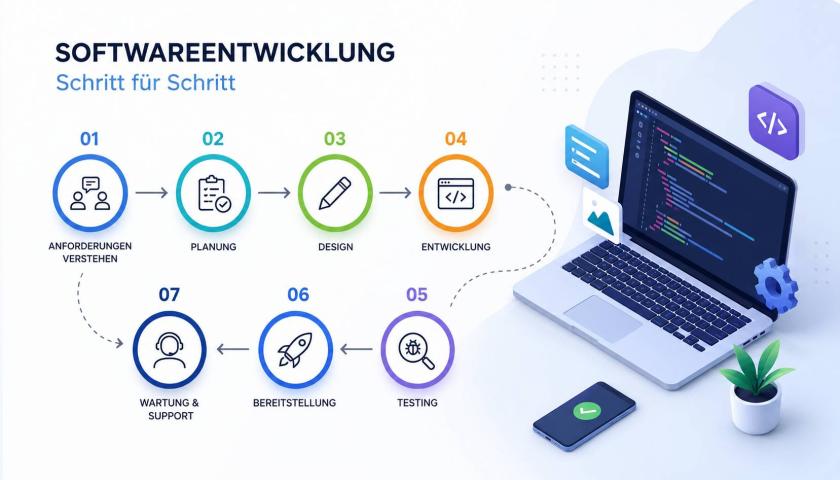
A typical stablecoin project involves:
Defining the asset or mechanism that supports the stablecoin.
Choosing a blockchain network and token standard.
Designing the tokenomics and stabilization mechanism.
Developing and auditing smart contracts.
Building administrative, reserve, and transaction-management systems.
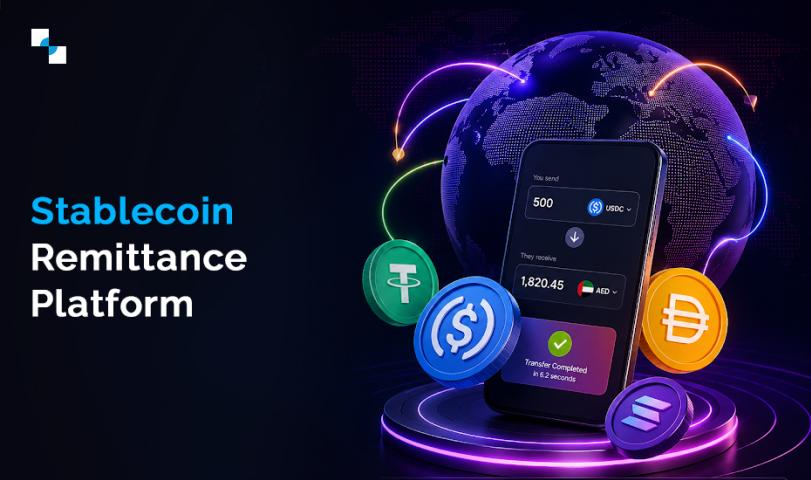
Integrating wallets, exchanges, and payment infrastructure.
Completing required legal and compliance work.
Deploying the stablecoin and monitoring it after launch.
The exact architecture depends heavily on whether you're building a fiat-backed, crypto-backed, or algorithmic model.
Stablecoin Development Process
1. Define the Stablecoin Model
First, determine what maintains the stablecoin's value. This could involve fiat reserves, digital assets, or another stabilization mechanism.
2. Choose the Blockchain
Ethereum, BNB Chain, Polygon, Solana, and other networks can support token-based applications. Your choice affects transaction costs, ecosystem access, scalability, and integrations.
3. Develop Core Features
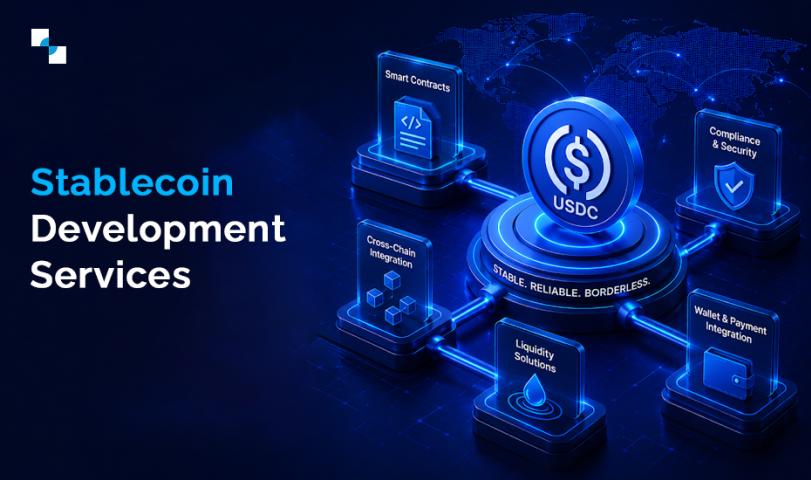
A professional stablecoin development company may build features such as:
Minting and burning
Token transfers
Reserve management
Role-based administration
Redemption mechanisms
Transaction monitoring
Wallet and exchange integration
Smart-contract access controls
What Does Stablecoin Development Cost?
There isn't one fixed price. The total cost depends on blockchain selection, smart-contract complexity, custom features, security audits, backend infrastructure, integrations, compliance requirements, and ongoing maintenance.
A simple token project can therefore be very different from a complete stablecoin ecosystem with reserves, redemption, dashboards, compliance controls, and third-party integrations.
Conclusion
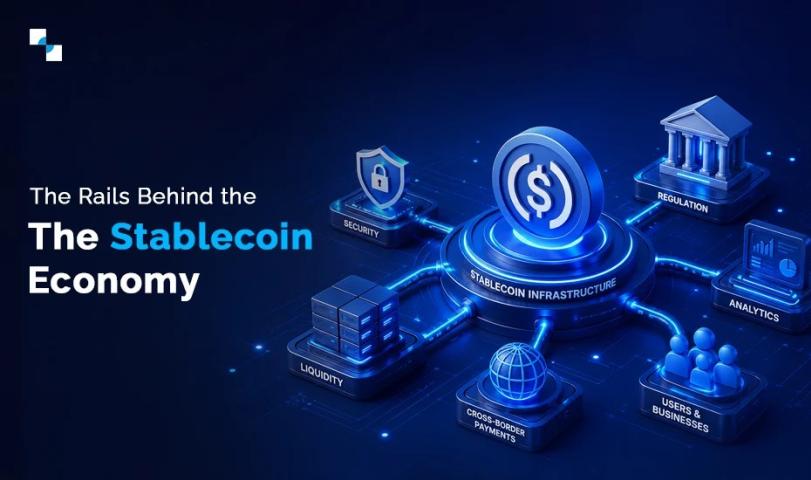
Launching a stablecoin is more than creating a token contract. You need to think about the stabilization model, blockchain infrastructure, security, integrations, operational controls, and applicable compliance requirements from the beginning.
If you're planning a custom project, a Stablecoin Development Company can help turn the concept into a structured technical architecture and deployment plan.