A modern web application can become one of the most important digital tools for a business. It can help customers place orders, employees manage workflows, teams access information, and businesses connect different systems from one place. Unlike a basic website, a web application needs to support real actions while remaining fast, secure, reliable, and easy to use.
Choosing a web application development company is therefore about more than finding developers who can build software. The right team should understand your business requirements, users, integrations, security needs, and plans for future growth. Professional web application development services can cover the complete product lifecycle, from planning and design to development, testing, deployment, and ongoing improvements.
This guide explains what goes into modern web application development, which technologies are commonly used, how to plan for security and scalability, and what businesses should consider before choosing a development partner.
What Is Modern Web Application Development?
A web application is software that users access through a web browser. It can support simple customer interactions or complex business processes involving multiple users, systems, and data sources.
For example, businesses can use web applications to:
- Manage customer accounts and profiles
- Process online orders and payments
- Run marketplaces and booking platforms
- Manage internal workflows
- Track deliveries, vehicles, or field operations
- Provide healthcare or financial services
- Manage subscriptions through SaaS products
- Create dashboards for business reporting
The main difference between a traditional website and a web application is interaction. A website may mainly provide information, while a web application allows users to perform tasks, enter information, update records, and interact with business systems.
Modern web applications also need to work consistently across browsers, screen sizes, and devices. They may connect with payment gateways, CRM platforms, ERP systems, maps, analytics tools, communication platforms, and third-party APIs.
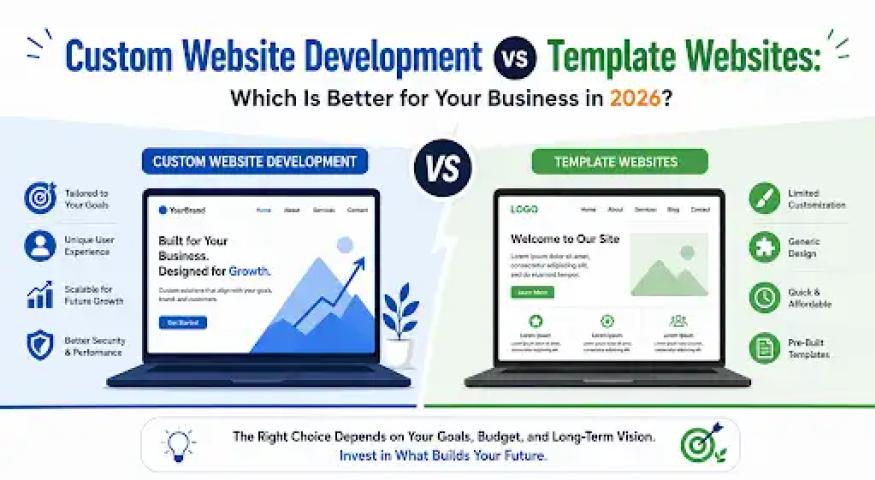
For businesses with unique processes, custom web application development allows the product to be designed around specific workflows and requirements. Instead of forcing employees or customers to adapt to a generic tool, the application can be built around how the business actually operates.
What Goes Into Building a Web App?
Building a web application involves several stages. Starting with a clear process helps teams avoid unnecessary development work and gives stakeholders a better understanding of what they are investing in.
Start With Clear Business Requirements
Before writing code, the team needs to understand the problem the application should solve. This includes identifying target users, important workflows, required features, integrations, data requirements, and technical constraints.
It is also useful to separate essential features from features that can be added later. A focused first release allows businesses to validate the product with users before investing heavily in additional functionality.
Design the User Experience First
Once requirements are understood, designers can map user journeys and create wireframes, prototypes, and interface designs.
Good web design ui ux should make important actions easy to understand. Navigation, forms, dashboards, search functions, and other interactions should be designed around how users actually complete tasks.
The design should also consider accessibility, responsive layouts, different screen sizes, and the expectations of different user groups.
Develop Features in Short Cycles
Development brings the requirements and designs together. Frontend developers build the interface users interact with, while backend developers manage business logic, databases, APIs, authentication, and integrations.
Instead of building everything at once, many teams work in smaller development cycles. This gives stakeholders opportunities to review progress and identify changes while the project is still being developed.
Depending on the project, web application development services may include frontend and backend development, API development, database engineering, cloud integration, testing, deployment, and post-launch support.
Test Before the Application Goes Live
Testing should happen throughout development rather than being treated as the final step.
Teams may test individual components, complete user journeys, APIs, integrations, security controls, performance, and compatibility across browsers and devices. Automated testing can help identify recurring problems, while manual testing can uncover issues that automated checks may miss.
Performance and load testing are particularly important when an application is expected to handle many users, transactions, or data-intensive operations.
Launch, Monitor, and Keep Improving
After testing is complete, the application can be deployed to its production environment. However, launch is not the end of the development lifecycle.
Applications may require performance monitoring, bug fixes, security updates, infrastructure changes, and new features as user requirements evolve.
A good development process therefore continues after launch. Analytics and monitoring can show how users interact with the application and help teams identify areas that need improvement.
Which Technologies Are Used for Modern Web Apps?
The technology stack should be selected according to the application's requirements rather than based only on current technology trends.
For frontend development, teams commonly use technologies such as React.js, Next.js, Angular, Vue.js, and Svelte. These frameworks can support responsive interfaces, reusable components, and complex interactions.
For backend development, options may include Node.js, Java with Spring Boot, Python with Django or FastAPI, .NET, Go, or Ruby on Rails. The backend typically manages business rules, APIs, authentication, integrations, and data processing.
Database selection also depends on the application. PostgreSQL, MySQL, and Microsoft SQL Server can support relational data requirements, while MongoDB and DynamoDB can be useful for different flexible or distributed data models. Redis is often used for caching and other performance-related requirements.
Cloud platforms such as AWS, Microsoft Azure, and Google Cloud can provide infrastructure for hosting and scaling applications. Tools such as Docker, Kubernetes, Terraform, and CI/CD platforms can support deployment and infrastructure management.
Technology decisions should consider performance, security, scalability, development speed, maintenance, and cost. Experienced software engineering services can help businesses evaluate these choices based on the actual needs of the application.
How Do You Make a Web App Secure and Scalable?
A web application may begin with a relatively small number of users but grow significantly over time. Designing the architecture with future requirements in mind can reduce the need for major changes later.
Developers may use caching, optimized database queries, load balancing, content delivery networks, and scalable cloud infrastructure to handle increasing traffic.
Security also needs to be considered throughout development. Depending on the application, this may include:
- Secure authentication and login
- Role-based access controls
- Encryption for sensitive information
- API protection and rate limiting
- Input validation
- Secure session management
- Dependency and vulnerability scanning
- Security testing
- Application monitoring and logging
Security should not be added only before launch. It should be considered during requirements gathering, architecture, development, testing, and deployment.
Compliance may also influence technical decisions. Applications that handle healthcare information, payment data, personal information, or other regulated data may need to address requirements such as HIPAA, PCI-DSS, GDPR, SOC 2, or ISO 27001, depending on the application and market.
Once the application is live, monitoring becomes important. Logs, alerts, analytics, and performance metrics can help development teams identify problems and understand how the system behaves under real-world conditions.
How Do You Choose a Web App Development Partner?
Choosing a development partner requires looking beyond a list of technologies or programming languages. Businesses should consider whether the team understands the product requirements and has a development process that fits the project.
When evaluating a web app development company, consider its experience with similar applications, approach to product discovery, architecture capabilities, testing practices, communication process, and post-launch support.
Useful questions to ask potential partners include:
- Have you built applications with similar requirements?
- How do you approach product discovery and planning?
- Who will be responsible for architecture decisions?
- How do you manage changing requirements?
- What testing will be completed before launch?
- How will security requirements be handled?
- How will third-party integrations be managed?
- What support is available after deployment?
- Who owns the source code and documentation?
Communication is another important consideration. Stakeholders should have a clear understanding of what is being built, what has been completed, what requires attention, and whether any risks could affect delivery.
The engagement model should also match the project. Some businesses may need a dedicated development team, while others may require project-based development or specialists to complement an existing internal team.
An experienced web application development company should be able to adjust its involvement according to the product stage, technical requirements, and business priorities rather than applying the same approach to every project.
What Should You Plan Before Development Starts?
Good preparation can make the development process more predictable and reduce unnecessary changes later.
Start by defining the problem the application needs to solve. Identify the users, the tasks they need to complete, and the workflows that are most important to the business.
Before development begins, consider:
- Features required for the first release
- Expected users and future growth
- Third-party integrations
- Existing data and migration requirements
- Security and compliance needs
- Browser and device support
- Analytics and reporting
- Hosting and infrastructure costs
- Maintenance requirements
- Future product improvements
These decisions help establish a realistic scope and give the development team a clear technical direction.
For businesses with specialized workflows, custom web application development can provide greater control over features, integrations, and user experiences. It can be particularly useful when existing software cannot support important business requirements.
If you work with a web app development company, involving the team during the planning stage can also help identify technical dependencies before development begins. A web application development company can contribute to early decisions around architecture, integrations, infrastructure, and potential scalability concerns.
The goal is not to define every future feature before development starts. Instead, businesses should have enough clarity to understand the first release, its users, technical requirements, and the direction in which the product may evolve.
Conclusion
Building a modern web application involves much more than creating pages that work in a browser. Businesses need to consider users, workflows, interface design, application architecture, databases, integrations, security, testing, infrastructure, and ongoing improvements.
The right approach depends on the product, business goals, technical requirements, expected users, and future growth plans. A capable web application development company can bring these different areas together while keeping development focused on practical business and user requirements.
Whether you are building a SaaS product, customer portal, marketplace, internal platform, or enterprise application, start with a clear problem and a realistic scope. From there, the right technology, development process, and team can create a reliable web application that supports current needs while leaving room for future growth.