When buying aluminium doors and windows, focus on six key factors: frame quality and wall thickness, glass type and energy performance, track and hardware systems, accurate measurements, surface finish, and professional installation. Getting each of these right will determine how well your doors and windows perform over the years — not just how they look on day one.
Choosing the right aluminium doors and windows is one of the most practical investments a homeowner in Singapore can make. The tropical climate here — persistent humidity, heavy rainfall, and intense heat — puts enormous stress on building materials. Aluminium handles all of that better than wood or uPVC, but only if you select the right configuration from the start. This guide walks you through exactly what to check before you commit.
Frame Quality: Where to Start Your Aluminium Door Buying Guide
The aluminium frame is the backbone of any door or window system. Not all aluminium profiles are equal. The key specification to ask for is the wall thickness of the extrusion — the actual thickness of the aluminium profile walls.
For residential applications in Singapore, look for profiles with a wall thickness of at least 1.4mm to 1.8mm. Commercial-grade systems often go higher. Thicker walls resist warping under heat and provide better structural rigidity, which matters when you're dealing with typhoon-season winds or doors that open and close hundreds of times a year.
Also confirm whether the profile is a thermally broken system. A thermal break is an insulating barrier built into the frame that reduces heat transfer. In Singapore's climate, this translates to a cooler interior and lower air-conditioning costs — a real, measurable benefit.
What to check on the frame
Minimum 1.4mm wall thickness for residential use
Thermal break construction where energy efficiency matters
Manufacturer's certification or test reports for the profile series
Corrosion resistance — look for anodised or powder-coated finishes rated for coastal or high-humidity environments
Glass Selection: More Than Just Transparency
Glass choice directly affects comfort, energy bills, and noise levels inside your home. In Singapore, the Building and Construction Authority (BCA) encourages the use of energy-efficient glazing as part of the Green Mark rating framework for residential buildings. Even if your home is not going through a formal rating, the same logic applies.
Double-glazed units (DGUs) are increasingly common in high-end Singapore homes for good reason. They reduce solar heat gain significantly compared to single-pane glass. For added performance, ask about Low-E (low-emissivity) coatings, which reflect infrared heat while letting in visible light.
Glass Type | Best For | Key Benefit
|
|---|---|---|
Single Pane | Budget builds, low-exposure areas | Lower upfront cost |
Double Glazed (DGU) | Living rooms, bedrooms | Better heat and noise insulation |
Low-E Coated | West-facing or sun-exposed facades | Reduces solar heat gain |
Laminated Safety Glass | Ground-floor doors, sliding panels | Shatter resistance and security |
Track Systems and Hardware: The Part Most People Overlook
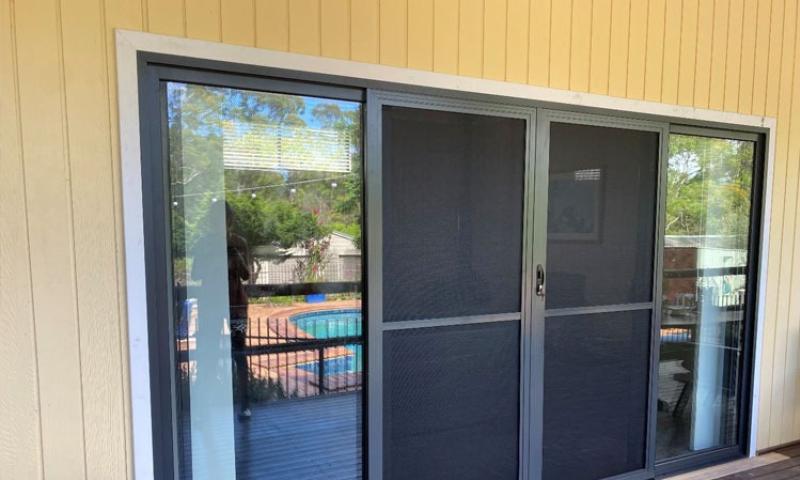
This is where many buyers focus entirely on looks and forget function. The track system on a sliding door, in particular, determines how smoothly it operates and how long it lasts.
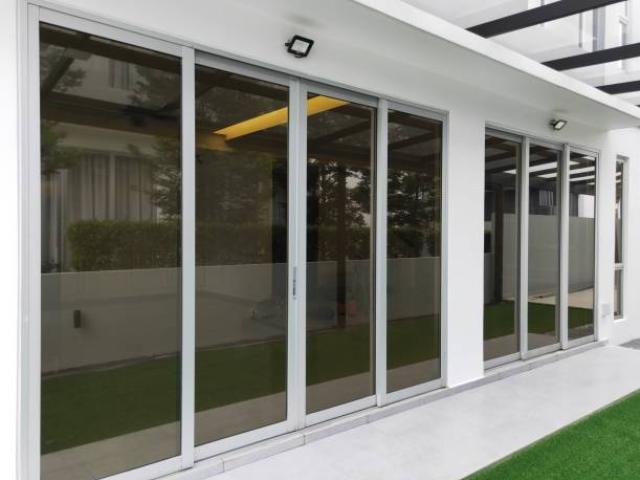
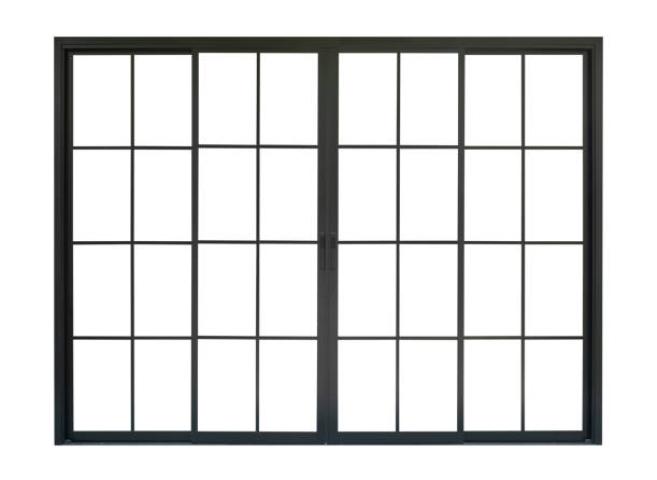
For sliding doors, a quality bottom-rolling track with stainless steel or nylon rollers will outlast a cheap pressed-steel system by years. Look for tracks with adjustable rollers — these let you re-align the door later if settling occurs. Top-hung systems, where the door hangs from an overhead track, eliminate floor-level dirt accumulation and are worth considering for high-traffic openings.
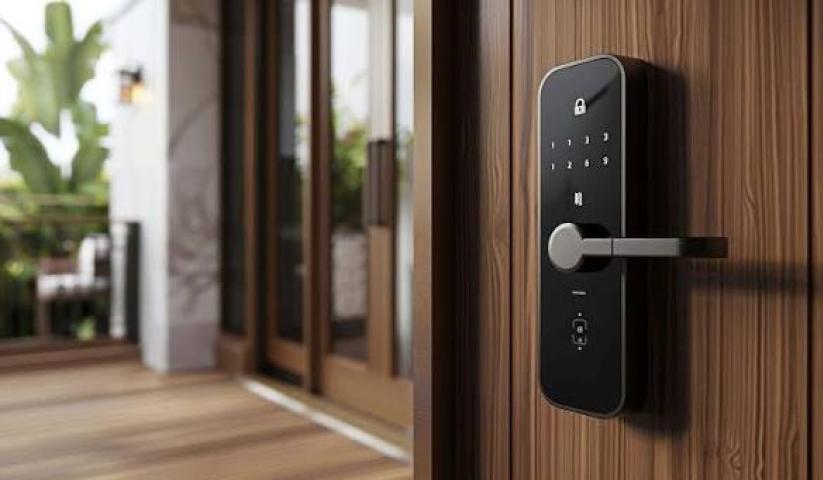
Hardware — handles, locks, hinges — should carry a corrosion resistance rating suitable for Singapore's coastal and humid conditions. Stainless steel grade 316 is the standard benchmark for hardware near the sea. For internal installations, grade 304 is generally sufficient.
Getting Measurements Right Before Door Installation
Inaccurate measurements are the single most common cause of delays and additional costs in door installation projects. Before you request a quote, measure the rough opening — the actual hole in the wall, not the existing frame dimensions.
Width and height should both be measured at three points (top, middle, bottom for width; left, centre, right for height) because openings are rarely perfectly square. Always use the smallest measurement and communicate this clearly to your supplier.
Measurement checklist before ordering
Measure the rough opening width at three heights
Measure the rough opening height at three widths
Note the wall thickness — this affects the reveal depth
Check if existing sills, lintels, or frames need to be removed first
Confirm if the opening is load-bearing — structural advice may be needed
Surface Finishes: Function and Aesthetics Together
The two dominant finish types for aluminium frames in Singapore are anodising and powder coating. Both protect against corrosion, but they differ in appearance and maintenance needs.
Anodising creates an electrochemical oxide layer on the aluminium surface. It is extremely durable and maintains a clean, metallic look. Powder coating applies a dry paint layer cured under heat, offering a wider range of colours and a matte or gloss finish. For Singapore's weather, look for powder-coated finishes with a minimum 60-micron thickness and AAMA 2604 or equivalent certification for weather resistance.
Both finishes require minimal maintenance — periodic cleaning with a mild detergent is typically all that is needed. Avoid abrasive cleaners, which can scratch anodised surfaces.
Using Your Aluminium Window Buying Guide at the Installation Stage
Even the best product will underperform if installation is done poorly. Gaps around the frame, inadequate waterproofing at the sill, or poorly set anchors will lead to water ingress and air leaks within months.
Ask your contractor specifically about their waterproofing method at the perimeter joint. In Singapore, where monsoon rain can be relentless and wind-driven, a proper sealant and back-rod system is non-negotiable. All fixings into concrete or masonry should use stainless steel or hot-dip galvanised anchors to prevent rust staining.
Request a written warranty — both for the product and the installation workmanship. Reputable suppliers will provide at least a one-year installation warranty and a separate product warranty covering the frame profile and hardware.
Final Buying Checklist
Frame wall thickness confirmed (minimum 1.4mm for residential)
Thermal break included if energy efficiency is a priority
Glass type selected based on orientation and noise/heat requirements
Track and hardware rated for Singapore's humidity
Rough opening measured correctly at multiple points
Finish type (anodised or powder coated) with certified weather resistance
Installer experience verified with past residential projects
Warranties confirmed in writing for both product and installation
Vindar SG offers aluminium sliding door systems designed for Singapore's residential market, with configurations that cover frame quality, glazing options, and hardware suited to local conditions. If you are planning a renovation or new build, starting with a supplier who understands the local climate requirements will save you significant time and rework down the line.
Frequently Asked Questions
What is the minimum aluminium frame thickness for residential doors in Singapore?
For residential use in Singapore, a minimum wall thickness of 1.4mm to 1.8mm is recommended for aluminium profiles. Thicker walls offer better structural rigidity, resist warping in humid conditions, and perform more reliably with high-frequency daily use over the long term.
Is double glazing worth it for Singapore homes?
Yes. Double glazing significantly reduces solar heat gain and external noise, both of which are ongoing issues in Singapore. It also helps lower air-conditioning loads, which reduces electricity bills. For west-facing rooms or high-traffic street-facing facades, the investment typically pays back within a few years.
What finish is best for aluminium doors in humid climates?
Powder coating with a minimum 60-micron thickness, certified to AAMA 2604 or equivalent, performs well in Singapore's humidity. Anodised finishes are also highly durable and corrosion-resistant. Both require only basic periodic cleaning and are far more maintenance-friendly than painted steel or timber alternatives.
How do I measure a door opening correctly before ordering?
Measure the rough opening width at three heights and the height at three widths, then use the smallest reading in each direction. Also note wall thickness for frame reveal depth. Incorrect measurements are the most common cause of installation delays and additional costs in door replacement projects.
What should I check when hiring someone for door installation in Singapore?
Verify the contractor's experience with aluminium systems, ask about their waterproofing method at the frame perimeter, and confirm all anchors are stainless steel or hot-dip galvanised. Always request written warranties covering both the product and installation workmanship before work begins.
Are aluminium doors and windows suitable for Singapore's weather?
Aluminium is one of the most suitable materials for Singapore's tropical climate. It does not warp, rot, or rust, handles high humidity and monsoon rain well, and requires minimal maintenance. When paired with quality glass and proper installation, aluminium systems offer long service life with very low upkeep.