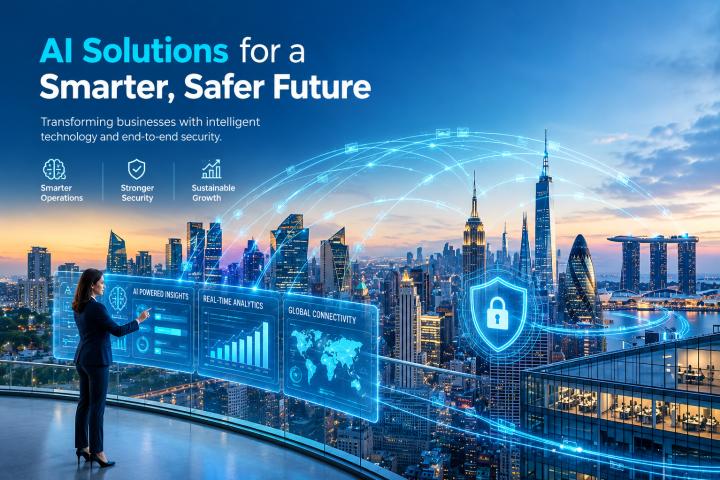
Businesses are generating more data and handling more complex operations than ever before. At the same time, customers expect faster responses, employees need better tools, and leadership teams need reliable information to make timely decisions.
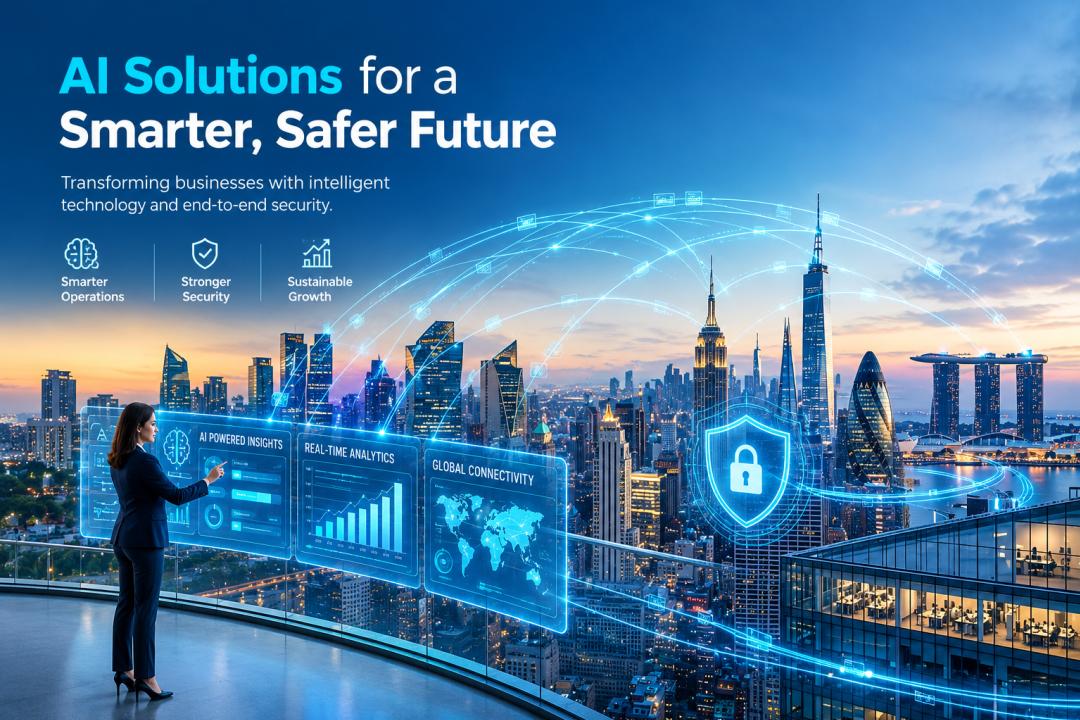
This is where AI-powered decision intelligence, workflow automation, and enterprise modernization are making a difference. Rather than treating AI as a standalone technology, businesses are increasingly using it across their operations to improve decision-making, simplify repetitive work, and create more adaptable digital environments.
For companies exploring this transformation, CodeZal AI provides services around AI consulting, strategy, custom AI solutions, automation, AI applications, and enterprise technology development.
AI-Powered Decision Intelligence for Better Business Decisions
Traditional business reports generally tell organizations what has already happened. AI-powered decision intelligence can go further by helping teams identify patterns, analyze large amounts of information, and uncover useful insights.
For example, a business could use AI to analyze customer activity, sales performance, market information, or operational data. Instead of spending hours manually reviewing different reports, decision-makers can access insights that help them understand trends and potential areas of concern.
Decision intelligence can support:
Sales and demand forecasting
Customer behavior analysis
Financial planning
Risk monitoring
Supply chain decisions
Resource allocation
Operational performance
Business planning
The purpose is not to replace human judgment. AI provides information and analysis, while business leaders remain responsible for interpreting that information and making decisions.
Workflow Automation That Reduces Manual Work
Repetitive processes can quietly consume a large amount of time inside an organization. Employees may spend their working hours entering information, moving data between systems, checking documents, preparing reports, or responding to routine requests.
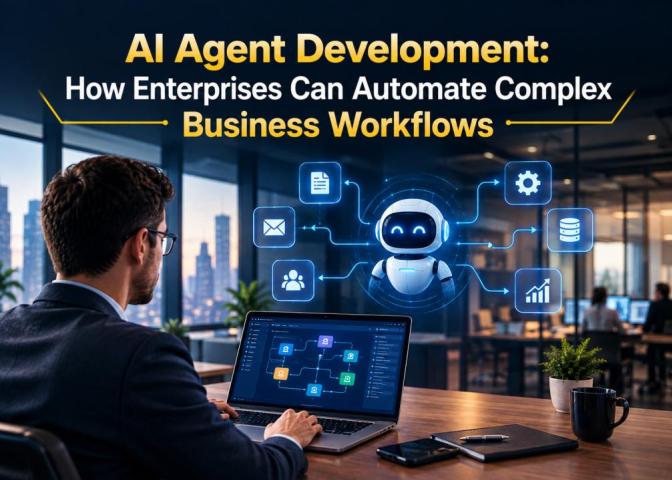
Workflow automation can reduce this workload by connecting systems and allowing predefined processes to happen automatically.
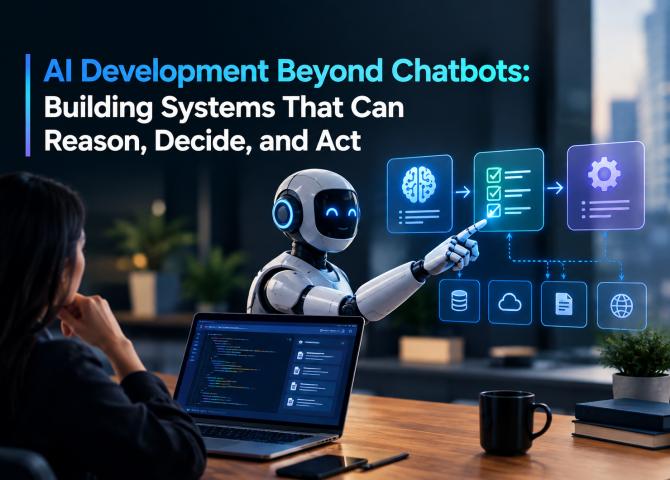
With AI added to these workflows, automation can become more flexible. AI can help classify documents, understand requests, extract information, identify exceptions, and determine what action should happen next.
CodeZal AI works with businesses looking to identify automation opportunities and develop technology solutions around specific operational requirements. Instead of applying automation everywhere, the focus can be placed on processes where it can provide practical business value.
Enterprise Modernization Without Starting From Scratch
Enterprise modernization does not always mean replacing every existing application.
Large organizations often depend on legacy software, databases, internal applications, cloud platforms, and third-party systems. These technologies may still perform important functions, even if they are not considered modern.
A more practical approach can involve connecting existing systems with newer technologies and gradually improving the overall architecture.
This may include:
Modernizing legacy applications
Integrating AI into existing platforms
Connecting different business systems
Moving selected workloads to cloud environments
Automating manual processes
Developing custom AI applications
Improving data accessibility
This gradual approach allows organizations to modernize while continuing to operate their existing business processes.
Data Is the Foundation of Intelligent Technology
AI systems depend heavily on quality data.
When information is scattered across multiple systems, duplicated, outdated, or difficult to access, it becomes harder for an organization to build reliable AI solutions.
Data engineering and data management therefore play an important role in enterprise modernization.
A strong data foundation can support AI applications, machine learning, predictive analytics, automated reporting, and real-time business intelligence.
Companies such as CodeZal AI can help organizations explore how data, AI, and automation can work together as part of a broader digital transformation strategy.
Custom AI Solutions for Different Business Requirements
There is no single AI solution that works for every business.
A retail company may need intelligent customer applications and demand forecasting. A financial organization may focus on document processing and risk analysis. A large enterprise may need AI integrated into internal workflows and existing software.
Custom AI development allows businesses to build applications around their actual requirements.
These solutions can include:
AI-powered business applications
Intelligent document processing
AI assistants
Predictive analytics platforms
Machine learning applications
Automated customer support
Internal knowledge systems
Intelligent workflow solutions
CodeZal AI offers custom AI development and AI application services designed around specific business objectives rather than relying only on generic tools.
AI Consulting and Strategy Before Implementation
Technology implementation should begin with a clear understanding of the business problem.
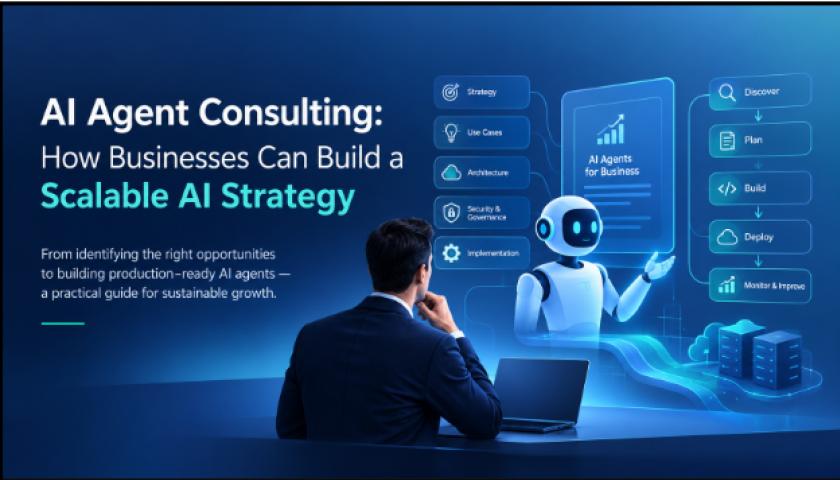
AI consulting can help organizations determine where AI can realistically create value, which processes are suitable for automation, what data is available, and what type of technology infrastructure may be required.
An AI strategy can also help businesses establish priorities instead of attempting multiple projects at once.
CodeZal AI supports organizations with AI consulting and strategy services that can help businesses evaluate opportunities and develop a structured approach to AI adoption.
Executive Workshops and AI Awareness
Successful AI adoption is not only a technical challenge. Leadership teams and employees also need to understand how AI can affect their business.
Executive workshops can help decision-makers explore practical AI use cases, understand opportunities and limitations, and discuss how AI fits into broader business strategies.
This type of education can help organizations move from general interest in AI toward more focused implementation plans.
Human Expertise Still Matters
Automation does not remove the need for people.
AI can process large volumes of information and handle repetitive activities, but human expertise remains important for strategic decisions, customer relationships, creative work, ethical considerations, and unusual situations.
The most practical AI environments often combine automated systems with human oversight.
For example, an AI system might review thousands of documents and identify unusual cases, while an employee reviews those cases before a final decision is made.
This approach can provide efficiency without removing human accountability.
Preparing Businesses for Long-Term Digital Growth
Enterprise modernization is an ongoing process rather than a one-time project.
As businesses grow, their data, applications, customers, and operational requirements also change. A flexible technology foundation makes it easier to introduce new capabilities when they are needed.
AI strategy, custom applications, data engineering, automation, machine learning, integration, and enterprise solutions can all contribute to this foundation.
Organizations such as CodeZal AI are helping businesses explore these technologies as part of broader AI and digital transformation initiatives.
Final Thought
AI-powered decision intelligence, workflow automation, and enterprise modernization are changing how businesses approach technology. The focus is shifting from simply adopting new tools to building connected systems that can provide useful insights, automate appropriate processes, and support better business operations.
For organizations considering their next stage of digital transformation, the starting point is often simple: identify a genuine business challenge, understand the available data and technology, and develop a practical roadmap for improvement.
When AI is connected to real business objectives, it becomes more than a technology trend—it becomes part of a long-term approach to building smarter, more adaptable operations.