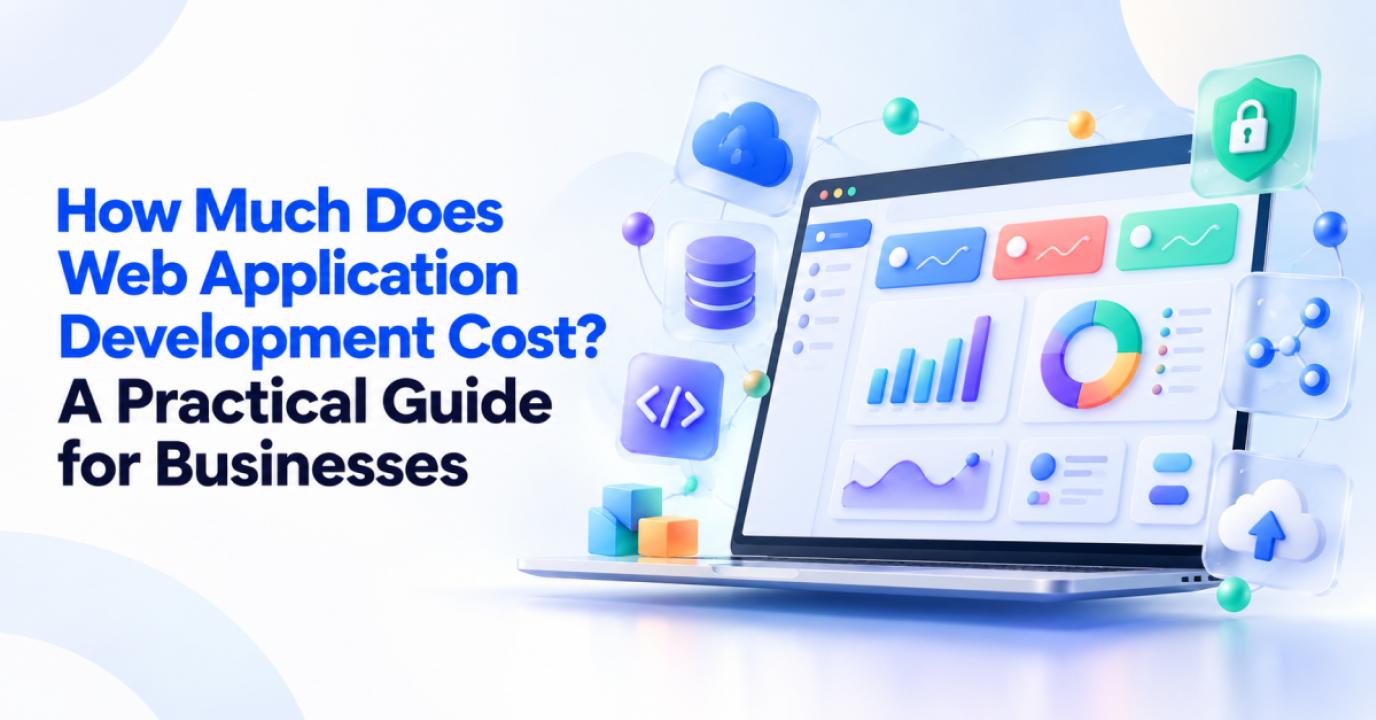

Businesses increasingly rely on web applications to manage operations, serve customers, automate workflows, and create new digital products. But one of the first questions decision-makers ask is: how much will it cost to build one? The answer depends on the application's complexity, features, integrations, security requirements, technology stack, and scalability goals. Working with the right web application development company can help businesses define these requirements and create a realistic development budget from the beginning.
What Is the Average Cost of Web Application Development?
There is no fixed price for developing a web application because every project has different requirements. A basic application with authentication, dashboards, and a few workflows requires significantly less effort than a multi-tenant SaaS platform, healthcare portal, financial platform, or enterprise system with complex integrations.
The overall investment typically depends on:
- Number and complexity of features
- User roles and workflows
- UI/UX requirements
- Backend architecture
- Third-party integrations
- Security and compliance requirements
- Expected traffic and scalability
- Testing and quality assurance
- Post-launch maintenance
Instead of choosing a development partner based only on an initial quote, businesses should evaluate the total scope and long-term value of the application.
8 Factors That Influence Web Application Development Cost
- Application Complexity
- The complexity of your application directly affects development effort. A simple customer portal may require only a few workflows, while an enterprise application may include multiple dashboards, role-based permissions, automation, analytics, and complex business logic.
- More workflows generally mean more planning, development, testing, and maintenance.
- Features and Functionality
- Every feature adds development requirements. User authentication, payment processing, search, notifications, reporting, real-time updates, dashboards, AI capabilities, and administrative controls can all increase project scope.
- Defining essential features early helps businesses prioritize spending and avoid unnecessary development.
- UI/UX Design Requirements
- Design is another important cost factor. Applications with multiple user types, complex navigation, interactive dashboards, or highly customized interfaces require more design research and prototyping.
- Investing in web UI/UX design services can help businesses identify usability issues early and create interfaces that are easier for customers and employees to use.
- Third-Party Integrations
- Many web applications need to communicate with external systems. These may include payment gateways, CRM and ERP platforms, communication tools, identity providers, analytics platforms, or mapping services.
- Each integration requires API planning, authentication, data synchronization, error handling, and testing. The number and complexity of integrations can therefore have a noticeable impact on development costs.
- Technology Stack
- The frontend framework, backend technology, database, APIs, cloud infrastructure, and development architecture all influence the project.
- The right technology should be selected according to business requirements rather than popularity alone. A scalable architecture can also reduce the cost and disruption associated with future growth.
- Security and Compliance
- Security cannot be treated as an optional feature. Applications handling customer information, financial data, healthcare information, or sensitive business records may require stronger authentication, encryption, access controls, security testing, and compliance measures.
- These requirements increase the initial development effort but can prevent expensive security incidents and technical problems later.
- Scalability Requirements
- An application designed for a few hundred users has different infrastructure requirements from one expected to serve millions.
- Businesses planning rapid growth may need scalable databases, caching, cloud infrastructure, load balancing, monitoring, and optimized APIs. Designing for scalability from the beginning can prevent expensive architectural changes later.
- Maintenance and Post-Launch Support
- Development does not end when an application goes live. Businesses may need ongoing bug fixes, security updates, performance optimization, infrastructure management, new features, and compatibility updates.
- Including maintenance in the initial budget gives businesses a more realistic view of the application's total cost of ownership.
Custom Web Application Development vs. Off-the-Shelf Solutions
Businesses often need to decide whether to purchase an existing product or invest in custom web application development.
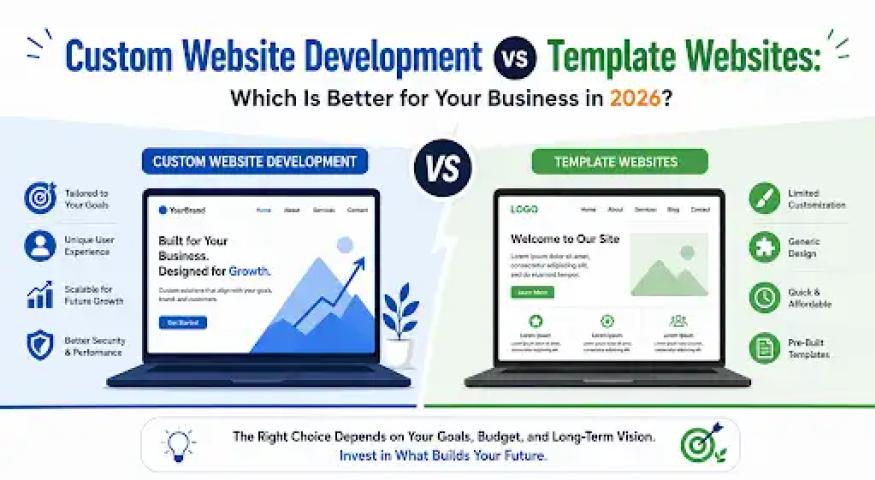
Off-the-shelf software can be faster to deploy and may have a lower initial cost. However, it may not support unique business processes or specialized integrations.
Custom development allows businesses to control functionality, workflows, integrations, user experiences, and future scalability. It can be particularly valuable when the application represents a core business process or competitive advantage.
Businesses looking for greater control over functionality and architecture can also consider custom software development when their requirements extend beyond a standard application.
How the Development Team Affects Project Cost
The development partner you choose can significantly influence both cost and project outcome. Businesses can work with freelancers, internal teams, specialized agencies, or a custom software development partner.
A reliable team should provide clear requirements analysis, technical planning, development, quality assurance, deployment, and ongoing support. The cheapest proposal may not provide the best value if it leads to poor architecture, missed requirements, delays, or expensive rework.
Businesses should therefore compare experience, technical capabilities, communication practices, development methodology, security expertise, and post-launch support alongside pricing.
What Do Web Application Development Services Usually Include?
Professional web application development services can cover the complete lifecycle of a project. This may include requirements analysis, architecture planning, UI/UX design, frontend and backend development, API integrations, testing, deployment, security, and ongoing maintenance.
A structured development process also makes it easier to estimate timelines, identify risks, prioritize features, and manage changes throughout the project.
How to Reduce Web Application Development Costs Without Sacrificing Quality
Businesses can control development costs without compromising the application's quality by making smarter planning decisions.
Start by defining the core business problem and building an MVP around essential functionality. Prioritize high-value features instead of trying to launch everything at once. Finalize major integrations and technical requirements early, and choose an architecture that can support future growth.
Automated testing, reusable components, clear documentation, and regular stakeholder feedback can also reduce rework and improve development efficiency.
How to Choose the Right Development Partner
Before selecting a web app development company, evaluate its experience with similar applications, technical capabilities, development process, security practices, QA approach, and support model.
Ask potential partners how they estimate projects, manage scope changes, handle integrations, test applications, and support products after launch. Reviewing previous projects can also help you understand whether the team has experience solving problems similar to yours.
A strong web app development services partner should provide more than developers. You need a team that understands your business objectives and can translate them into a secure, scalable, and maintainable application.
Final Takeaway
Web application development cost depends on far more than the number of development hours. Features, complexity, design, integrations, technology, security, scalability, and long-term maintenance all influence the final investment.
The best approach is to define your business requirements clearly, prioritize essential functionality, and choose a development partner capable of supporting the application beyond launch. With the right web application development solutions, businesses can control costs while building a platform that delivers long-term value.