According to recent reports, the global AI in cloud computing market is expected to reach $104.6 billion by 2027, growing at a CAGR of 30.5%. The rapid advancements in cloud computing have transformed how businesses operate in today’s digital landscape. Cloud platforms enable organizations to access and store vast amounts of data, scale their operations, and collaborate in real time. However, introducing artificial intelligence (AI) in cloud computing has taken this transformation to the next level. By combining AI with cloud infrastructure, enterprises can achieve unprecedented scalability, efficiency, and security. This integration reshapes industries by providing smarter solutions to common business challenges, ensuring better resource management, and enhancing overall performance.
AI in Cloud Computing Enhancing Scalability Efficiency and Security for modern enterprises
Written by
michealwillson
614 days ago
Related articles:
AI Detector: The Key to Building Trust in AI-Assisted Content

Artificial intelligence has reshaped the way people create content. Businesses use AI to write marketing copy, students rely on it for research assistance, and professionals generate reports in a fraction..
Is Your Business Ready for AI Agents? A Readiness Checklist
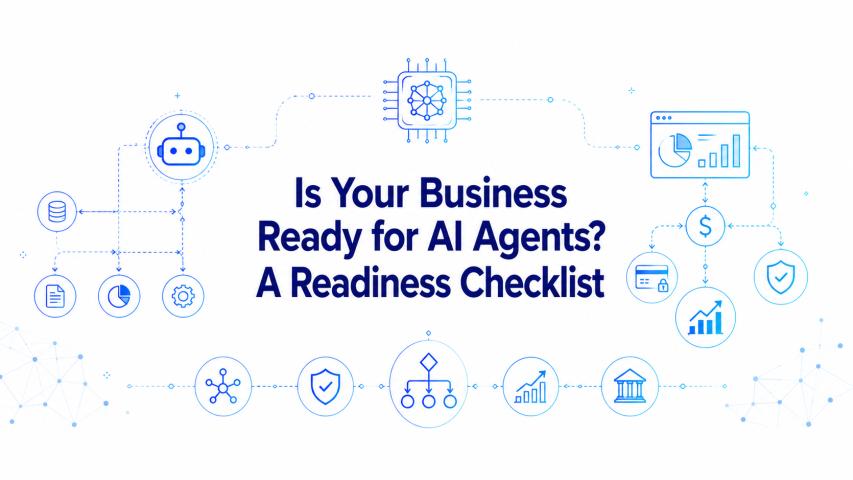
Artificial intelligence is no longer about automating basic processes and providing fundamental customer support. It is now about employing AI agents in business to perform complex tasks, make decisions, and..
Top Frameworks and Tools Used by Artificial Intelligence Developers

Artificial Intelligence (AI) is transforming industries worldwide by enabling businesses to automate operations, improve decision-making, and deliver personalized customer experiences. Behind these intelligent systems are artificial intelligence developers who use..
AI for Inventory Management: Bridging Supply Chain Intelligence and Customer Demand

IntroductionFor years, businesses have treated inventory management and customer relationship management as two separate functions. One team focused on stock levels, warehouse operations, and procurement, while another concentrated on customer..
What Is a Mobile AI Agent? A Plain-English Guide for 2026

A mobile AI agent is software — or a small device — that can actually operate your phone for you: opening apps, tapping, typing, and completing tasks end to end,..
Top 5 SEO Companies to Help Grow Your Business
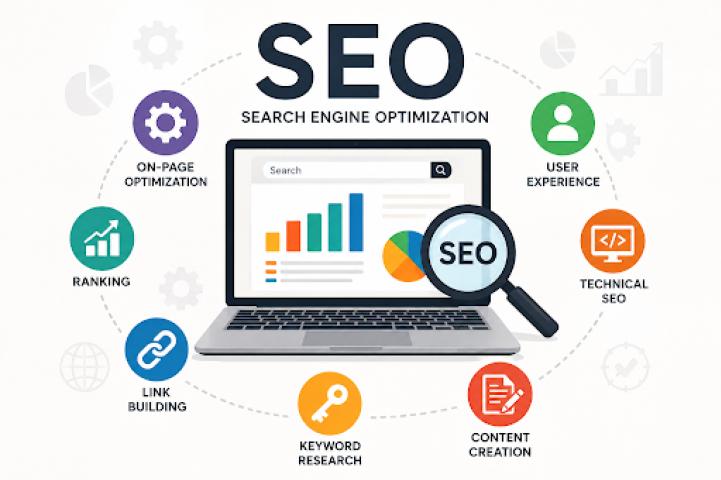
Hiring the right SEO company can help your business appear in front of people who are already searching for your products or services. Whether you run a small local business,..
Why AI Data Extraction Platform Development Is Becoming a Competitive Advantage for Modern Enterprises

IntroductionEvery business wants to become data-driven. Organizations invest in analytics platforms, business intelligence tools, customer relationship management systems, and cloud infrastructure to gain better visibility into their operations. Yet despite..
The Growing Impact of Generative AI Across Industries
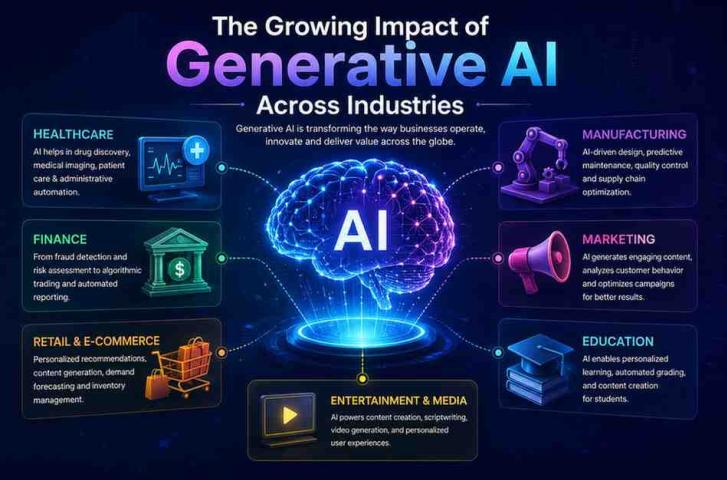
Artificial intelligence continues to reshape the way businesses operate, innovate, and interact with customers. Among the most transformative advancements is Generative artificial intelligence, a technology capable of creating content, generating..
AI-Powered Customer Support Agents for Modern Businesses

Quick OverviewAI-powered customer support agents use large language models and natural language processing to respond to customer inquiries automatically, twenty-four hours a day. They integrate with CRM platforms, ticketing systems,..
Future of IoT Development: AI, Edge AI, and Autonomous Systems

Quick OverviewIoT is changing from simply collecting data to making smart, real-time decisions at the network edge. Edge AI eliminates the need for cloud computing by processing data directly on..
Machine Learning in E Commerce: How Intelligent Retail is Transforming Online Shopping

IntroductionThe ecommerce industry has entered an era where customer expectations are evolving faster than ever. Shoppers no longer want generic product catalogs or one-size-fits-all experiences. They expect online stores to..
Top 5 SEO Companies to Help Grow Your Business
Hiring the right SEO company can help your business appear in front of people who are already searching for your products or services. Whether you run a small local business,..
The Role of Artificial Intelligence in Modern IoT Development

The Internet of Things (IoT) has become one of the most transformative technologies of the digital age, connecting billions of devices across industries and enabling seamless data exchange. From smart..
Why Google Rankings Change Frequently and What Businesses Should Understand About SEO
Many businesses become frustrated when their website rankings suddenly increase, drop or fluctuate without warning. One month a website appears on the first page of Google and the next month..
How a Custom ERP System Improves Operational Efficiency

Running a growing business without the right systems in place can feel like trying to hold water in your hands — exhausting, wasteful, and never qui—exhausting,your teams are juggling disconnected..
AI vs Traditional Marketing: What Works Better in 2026?
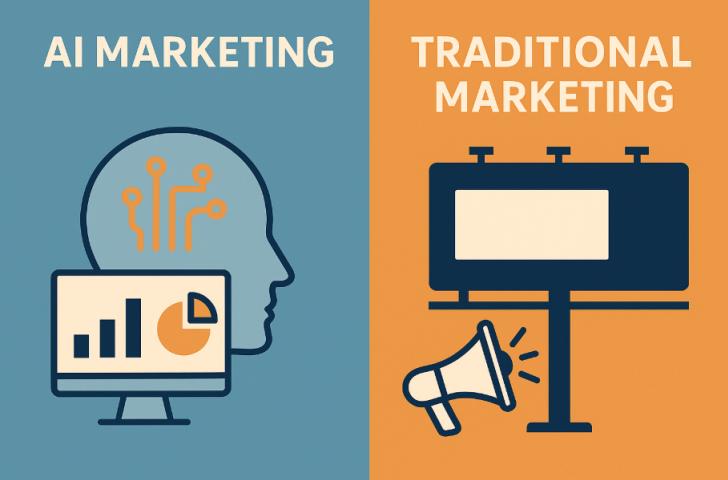
Marketing has changed dramatically over the last decade. Businesses that once depended entirely on newspaper ads, television commercials, billboards, cold calls, and manual campaigns are now shifting toward AI-powered digital..
Agentic RAG Implementation in Enterprise: The Next Big Shift in Enterprise AI
Enterprise AI is evolving faster than ever before. A few years ago, businesses were excited about chatbots that could answer customer questions or automate basic workflows. Today, enterprises want something..
How SEO Works as a Complete Growth System

SEO is often misunderstood as a simple checklist where a few keywords are added, some backlinks are built, a report is checked, and results are expected to follow. In reality,..