The world of online gaming and betting is changing fast, thanks to the rise of blockchain technology. From sports betting platforms to online casinos, blockchain is bringing more security, transparency, and fairness to the industry. Sports betting APIs, which help betting platforms provide real-time data and betting odds, are also benefiting from this technology. The expertise of a Blockchain Software Development Company is crucial in implementing these advanced features and ensuring seamless integration of blockchain into gaming platforms.
But what exactly does blockchain bring to the table, and how does it impact the future of iGaming? In this article, we’ll explore how blockchain software development is shaping sports betting and the online gaming industry, making it safer and more efficient for both players and operators.
How Blockchain is Changing Sports Betting
A More Secure Betting Experience
One of the biggest problems in online betting has always been security. Fraud, unfair practices, and even hacking attempts have made players cautious about where they place their bets. Blockchain technology helps solve this issue by providing a transparent and tamper-proof system for recording transactions.
Since blockchain records every transaction in a way that can’t be altered, all bets, payouts, and transactions are permanently stored and publicly verifiable. This reduces the risk of fraud and gives players more confidence in the fairness of sports betting platforms.
Faster and Cheaper Transactions
Traditional sports betting platforms rely on banks and third-party payment processors to handle deposits and withdrawals. This often results in delays and high transaction fees. Blockchain eliminates the need for intermediaries, allowing users to deposit and withdraw funds instantly using cryptocurrencies like Bitcoin or Ethereum.
With no middlemen involved, transaction costs are lower, and players can enjoy faster access to their winnings. This also benefits betting platforms, as they save on processing fees and can offer better odds or promotions to their users.
Sports Betting API Integration for Seamless Data Flow
Sports Betting API Integration plays a pivotal role in improving the betting experience for users. By integrating blockchain into these APIs, betting platforms can offer seamless access to real-time sports data, betting odds, and match results. This enables:
Automated data flows for live betting
Quick updates for odds and game outcomes
Enhanced user experience with immediate access to relevant information
Through blockchain-powered APIs, sports betting operators can reduce downtime and ensure that betting data is handled securely and transparently.
Smart Contracts for Automated Betting
A major innovation that blockchain brings to sports betting is smart contracts. These are self-executing agreements stored on the blockchain, meaning they automatically complete transactions when certain conditions are met.
For example, if you place a bet on a football game using a blockchain-powered betting platform, a smart contract can ensure that your winnings are automatically transferred to your wallet once the game ends. This removes the need for manual processing, eliminating delays and ensuring fair and instant payouts.
A Transparent Betting System
Another huge benefit of blockchain in sports betting is transparency. Many players worry about rigged odds or manipulated outcomes, but with blockchain, all transactions and bet outcomes are recorded on a public ledger.
This means anyone can verify:
How odds are calculated
Whether payouts are fair
That bets have been recorded and processed correctly
This level of transparency builds trust between players and betting operators, making blockchain-powered sportsbooks more attractive to users.
The Role of Blockchain in the Future of iGaming
Making Online Casinos More Trustworthy
Just like in sports betting, online casinos also face trust issues. Players often wonder whether casino games are truly fair or if the house has an unfair advantage. Blockchain technology solves this problem by introducing provably fair gaming, where game algorithms are stored on a blockchain for everyone to see.
This allows players to check and verify that game results are genuinely random and not manipulated by the casino. With blockchain, online casinos can prove their fairness, giving players more confidence in the games they play.
Anonymous and Secure Transactions
Many players prefer to keep their gambling activities private, but traditional online casinos require them to share personal and financial details. With blockchain, players can use cryptocurrencies for betting, which offers a higher level of anonymity.
Since blockchain transactions don’t require sharing personal data, players can bet securely without worrying about their information being misused or stolen. This makes blockchain-based gaming platforms a safer and more attractive option for users who value privacy.
Decentralized Gaming Platforms
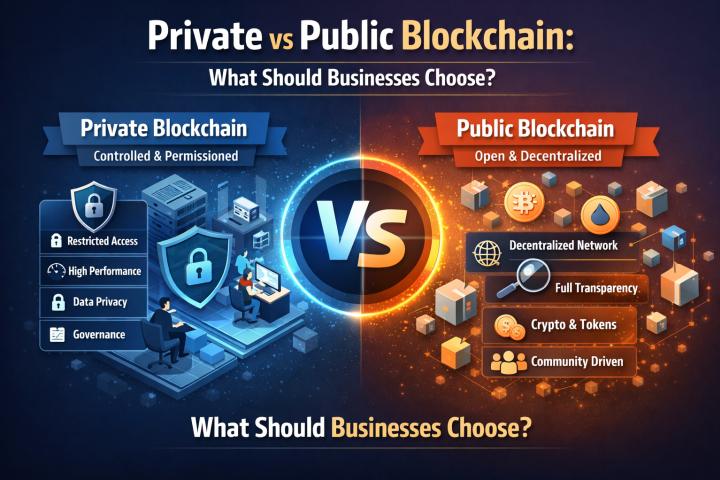
Another exciting development in iGaming is the rise of decentralized gaming platforms. Unlike traditional online casinos that are controlled by a single company, blockchain-based gaming platforms can run on decentralized networks, meaning they aren’t controlled by any one entity.
This creates a more open and player-friendly environment, where gaming rules are enforced by smart contracts rather than a central authority. Players can enjoy:
Instant payouts without delays
Lower fees since there’s no middleman
A more secure and transparent gaming experience
NFTs in iGaming
Blockchain technology is also introducing NFTs (Non-Fungible Tokens) to the iGaming world. In blockchain-based casinos and gaming platforms, NFTs can be used as:
Exclusive in-game assets that players can trade or sell
VIP memberships or rewards that provide special benefits
Player-owned collectibles that have real-world value
This trend is expected to grow, giving players more control over their gaming assets and creating new opportunities for investment in online gaming.
iGaming Software with Cross-Platform Compatibility
With blockchain, iGaming software can integrate across multiple ecosystems, allowing players to:
Use a single blockchain wallet across various casinos and betting sites
Earn crypto rewards that are transferable between gaming platforms
Enjoy a seamless gaming experience without needing multiple accounts
Challenges of Using Blockchain in Sports Betting and iGaming
While blockchain sports betting and iGaming offer numerous advantages, there are still some challenges to consider.
Regulatory Uncertainty
Many countries still haven’t developed clear regulations for blockchain-based gambling platforms. Betting sites that use cryptocurrencies and blockchain technology often operate in legal grey areas, making it difficult for them to expand into new markets.
As blockchain gaming continues to grow, governments will likely introduce more defined laws to regulate these platforms. Operators need to stay updated on legal developments to ensure compliance.
Adoption Barriers
Not all players are familiar with blockchain and cryptocurrencies, which can make it difficult for new users to get started. Betting platforms need to educate their users on how to use blockchain-based features and offer beginner-friendly interfaces to encourage adoption.
Scalability Issues
Some blockchain networks face slow transaction speeds when there is high demand. This can be a problem for betting platforms that require real-time transactions, especially during major sporting events.
To overcome this, developers are working on scalability solutions like layer-2 protocols, which help speed up blockchain transactions without compromising security.
The Future of Blockchain in Sports Betting and iGaming
As blockchain technology continues to evolve, we can expect even more innovations in the sports betting and iGaming industries. Some key trends to watch include:
Wider acceptance of cryptocurrencies for betting and gaming
AI-powered analytics combined with blockchain to improve betting predictions and fraud detection
Fully decentralized casinos and sportsbooks that operate on blockchain networks without a central authority
Metaverse casinos and betting platforms, where players can enjoy immersive gambling experiences in virtual worlds
Regulatory clarity that allows blockchain gaming to expand legally across different regions
The future of online betting and gaming will likely be more secure, transparent, and fair, with blockchain leading the way.
Conclusion
Blockchain technology is changing the way sports betting and online gaming platforms operate. By bringing transparency, security, and efficiency, blockchain software development is making sports betting APIs and iGaming platforms more trustworthy and user-friendly.
With instant transactions, smart contract automation, and provably fair gaming, blockchain-powered platforms are reshaping the industry and setting new standards for fairness and reliability.
For gaming operators and developers, adopting blockchain technology is no longer an option but a necessity to stay competitive in the rapidly changing digital gambling landscape.