
In the ever-evolving world of interior upgrades and home improvement, DIY (Do-It-Yourself) projects are not just a trend—they're a life> Acoustic Sprays.
Acoustic Spray products have become increasingly popular for those who value both function and design. Offering seamless finishes, excellent sound absorption, and easy application, these materials allow you to personalize your living or working space while also addressing noise control—without calling in a contractor.
What is Acoustic Spray?
At its core, Acoustic Spray is a specially formulated material applied to surfaces (usually ceilings and sometimes walls) to reduce reverberation and enhance sound quality. It's an effective alternative to traditional acoustic panels, especially in spaces where minimalism or a clean, monolithic finish is desired.
Unlike bulky panels or tiles, Acoustic Spray forms a textured or smooth coating that blends effortlessly into the architecture, making it ideal for residential spaces, home studios, offices, and even garages.
Why DIY Enthusiasts Love Acoustic Sprays
There are several reasons why DIYers are gravitating toward Acoustic Spray applications:
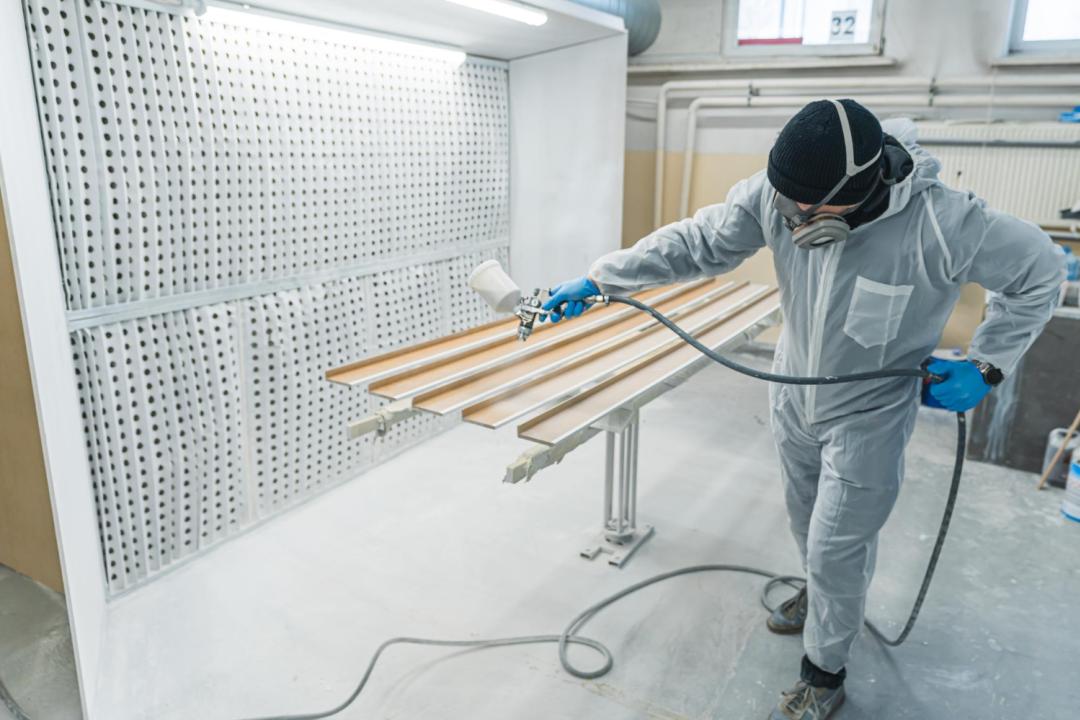
Easy Application: Most Acoustic Spray Foam and Acoustic Spray Paint solutions can be applied using standard spray equipment, making the process similar to painting.
Cost-Effective: Avoiding professional installation can save hundreds, if not thousands, of rupees or dollars.
Design Flexibility: These sprays can be tinted or painted over, allowing for endless customization.
Functional: Beyond aesthetics, they actively contribute to improving room acoustics.
For creative minds and handy homeowners, it's a dream combination of form and function.
Different Types of Acoustic Sprays
There’s a variety of Acoustic Spray products available today, each catering to specific needs. Let’s look at the most commonly used types:
1. Acoustic Spray Foam
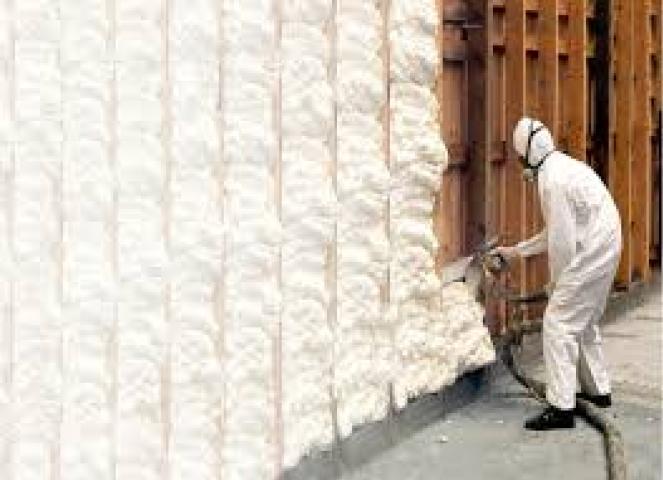
Acoustic Spray Foam is a thick, lightweight foam-based substance that expands slightly upon application, filling in gaps, cracks, and crevices. It's often used in areas that need both thermal and acoustic insulation. While it offers a rougher finish compared to other sprays, it's excellent for behind-the-wall applications or underfloor soundproofing.
Pros:
Dual benefits: thermal and sound insulation
Great for irregular surfaces
Easy to apply for small to medium spaces
DIY Tip: Always wear protective gear when applying Acoustic Spray Foam, especially for ceiling applications. The foam can stick to skin and clothes if not handled properly.
2. Acoustic Spray Paint
If you're looking for a smooth, sleek finish, Acoustic Spray Paint is the way to go. It looks and feels like regular paint but has added acoustic dampening properties. Ideal for residential rooms, home theaters, or spaces with strict aesthetic goals.
Pros:
Smooth finish
Can be tinted in various colors
Ideal for visible surfaces
DIY Tip: Two thin coats work better than one thick layer. Allow proper drying time between coats to achieve the best sound-absorbing results.
3. Acoustic Spray Ceiling
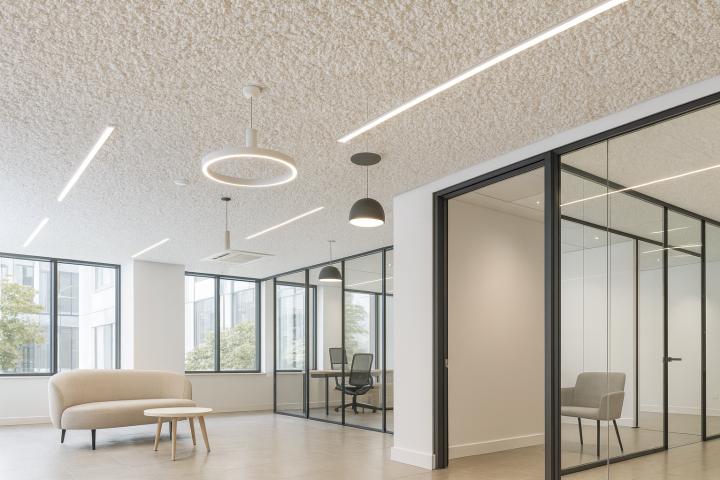
Applying Acoustic Spray Ceiling solutions is one of the most common DIY upgrades. Whether you're converting a basement into a studio or revamping your living room, spraying the ceiling improves both acoustics and the look of the space.
Pros:
Reduces echo and reverb in rooms
Helps with upward sound travel in multi-storey buildings
Provides a continuous, seamless look
DIY Tip: Use painter's tape and drop cloths to cover walls, windows, and furniture before spraying. Overspray can be tricky to clean up.
Where Can You Use Acoustic Sprays?
The versatility of Acoustic Spray products makes them suitable for almost any space. Some popular applications include:
Home Studios: Achieve better sound quality for recording or mixing music.
Living Rooms: Minimize TV and conversation echoes.
Kids’ Playrooms: Reduce noise from high-energy activities.
Open-Plan Kitchens: Improve overall acoustic experience.
Garages or Workshops: Mute loud tools and reduce noise leakage.
Whether you’re soundproofing an entire room or just looking to dampen noise in a single area, Acoustic Spray solutions fit the bill perfectly.
Tips for a Successful DIY Acoustic Spray Project
Surface Preparation is Key: Clean and dry surfaces ensure better adhesion and finish.
Use the Right Tools: Invest in a quality spray gun or rent one for the weekend. A compressor with consistent pressure is ideal for Acoustic Spray Paint.
Test on a Small Area: Always test a small patch before committing to the whole room. This helps gauge texture, coverage, and drying time.
Layer Strategically: Don’t rush into multiple heavy coats. Layer lightly and evenly.
Safety First: Use masks, gloves, and eye protection—especially when working overhead.
Aesthetic Meets Acoustic: The Design Edge
One of the major advantages of Acoustic Spray Ceiling treatments is that they allow you to retain the original design language of a space. Instead of installing visible panels that may clash with the décor, you get a seamless acoustic solution that actually elevates the design.
In fact, many modern minimalist homes and commercial interiors rely on Acoustic Spray Paint to maintain clean lines and open spaces while still offering top-tier sound management. You can opt for matte finishes, custom colors, or even textured variants for a more dramatic effect.
Environmental Considerations
Many brands now offer eco-friendly versions of Acoustic Spray Foam and Acoustic Spray Paint. These low-VOC, non-toxic options make DIY applications safer and more sustainable, especially when used indoors. Always check the product label for certifications like GREENGUARD or LEED compliance.
Final Thoughts
For DIY enthusiasts, Acoustic Spray products open up a new world of home improvement possibilities. Whether you're interested in soundproofing, elevating design, or just experimenting with functional materials, these sprays deliver remarkable results with minimal effort. From Acoustic Spray Foam for insulation to decorative Acoustic Spray Paint, and the highly functional Acoustic Spray Ceiling treatments, there's a solution for every kind of project.