
In the evolving world of modern architecture and interior design, one critical yet often overlooked component is acoustic treatment. Whether it's a corporate workspace, a classroom, a home theatre, or a recording studio, how sound behaves in a space can significantly impact productivity, comfort, and overall user experience. With innovations in acoustic materials, the process of enhancing sound quality within a space has become simpler, more aesthetic, and highly effective.
Why Acoustic Treatment Matters
Sound waves behave in complex ways. They reflect off hard surfaces, get absorbed by soft ones, and can create echoes or reverberations that affect communication, concentration, and acoustical clarity. Poor acoustics can result in a noisy environment, leading to stress, reduced productivity, and even long-term hearing issues. That’s where acoustic treatment steps in—offering solutions that balance, control, and enhance sound quality within a space.
Breaking Down Acoustic Treatment
At its core, acoustic treatment refers to the strategic use of acoustic materials to manage sound reflections, absorption, and diffusion. Unlike soundproofing, which aims to block external noise from entering or exiting a space, acoustic treatment focuses on improving sound within the room itself.
There are three primary approaches to acoustic treatment:
Absorption: Reducing sound reflections using materials that soak up sound waves.
Diffusion: Scattering sound waves evenly to avoid echoes and dead spots.
Reflection Control: Managing the way sound bounces within the room.
Let’s take a closer look at the key components used in these treatments.
Power of Acoustic Panel Solutions
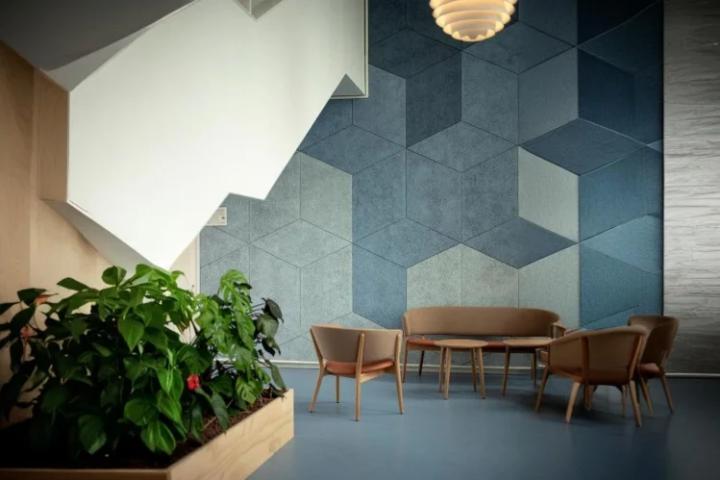
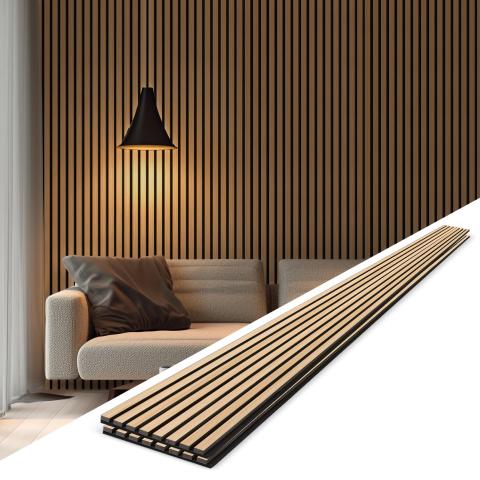
Among the most common elements in modern sound design are acoustic panels. These are fabric-covered panels made with sound-absorbing acoustic materials, designed to reduce ambient noise and control reverberations. Acoustic panels are versatile and can be mounted on walls or ceilings depending on the space requirements.
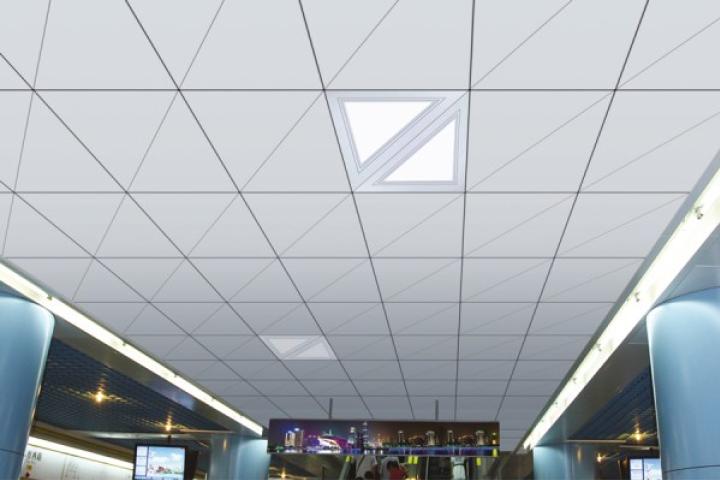
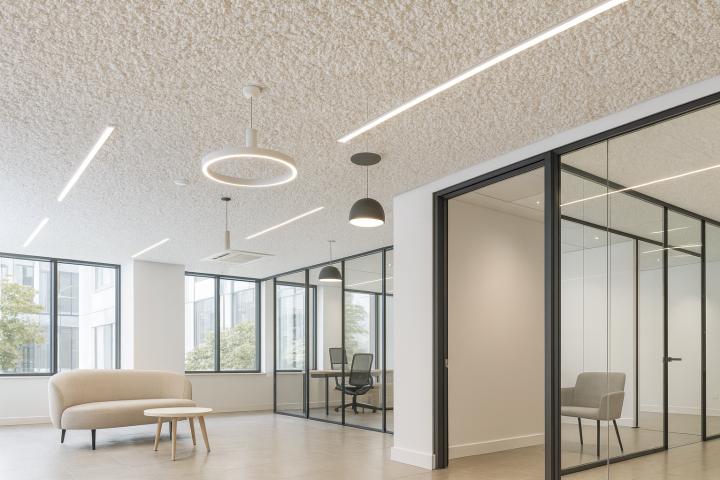
Modern acoustic panels come in a variety of finishes, shapes, and colors, allowing them to double as decorative elements. In open-plan offices or coworking spaces, for example, using ceiling-hung acoustic panels not only enhances aesthetics but also controls excessive noise levels, fostering better concentration and communication.
Acoustic Boards: The Backbone of Sound Absorption
Acoustic boards are denser than acoustic panels and are often used in spaces that demand higher levels of sound absorption. They’re typically made from high-density acoustic materials such as fiberglass, mineral wool, or PET felt, and they perform well in reducing echo and reverberation.
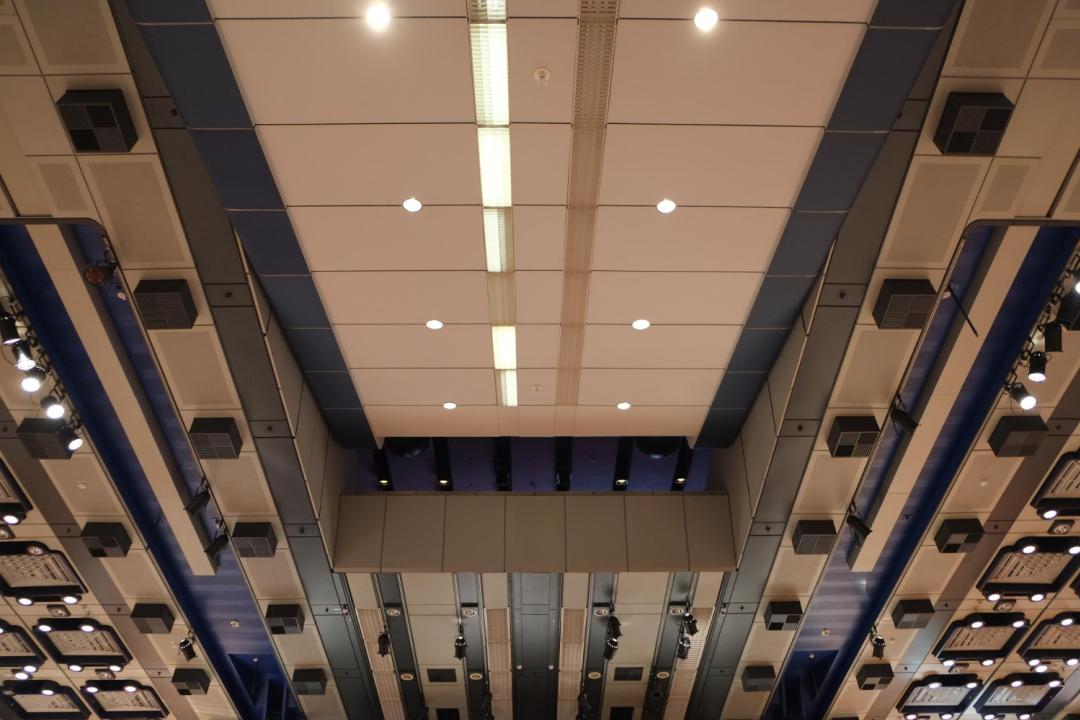
Ideal for conference rooms, libraries, and educational institutions, acoustic boards are installed on ceilings and walls to ensure clear audio transmission. They’re especially effective in large or high-ceiling areas where managing sound reflections becomes more complex.
Acoustic Sheets: Flexible and Efficient
For projects that require flexible installation or coverage over irregular surfaces, acoustic sheets come in handy. These are thin, pliable sound-absorbing layers made from specialized acoustic materials, perfect for layering beneath other construction components or wrapping around ductwork, equipment, or even walls.
Acoustic sheets are popular in industrial applications and home studios where space constraints or mechanical systems require a more adaptable sound control solution. They also work well in vehicles, HVAC systems, and underfloor insulation scenarios.
Choosing the Right Acoustic Materials
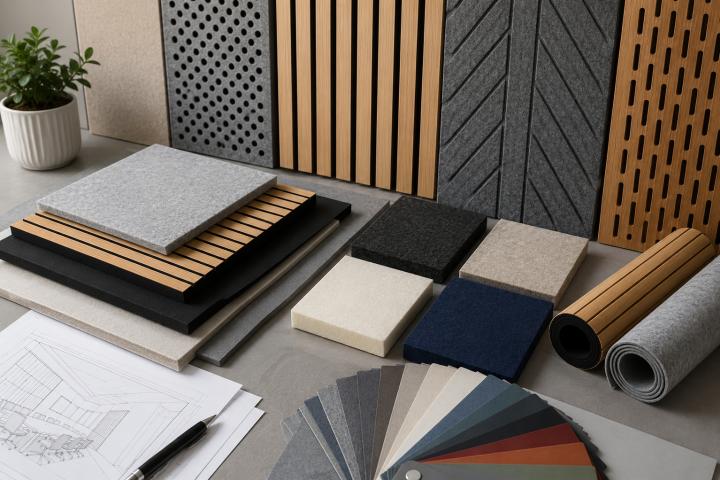
The success of any acoustic treatment plan depends heavily on the quality and suitability of the acoustic materials used. Some commonly used materials include:
Fiberglass: Lightweight and highly efficient in absorbing high-frequency sounds.
Mineral Wool: Offers excellent fire resistance and low-frequency sound absorption.
Polyester Fiber (PET): An eco-friendly option, recyclable, and ideal for decorative panels.
Foam: Widely used in home studios and gaming rooms for its affordability and effectiveness.
Each of these acoustic materials has specific strengths, making them suitable for different project types and budgets.
Applications Across Industries
The need for proper acoustic treatment is universal. Here’s how it transforms different environments:
Corporate Offices: Open-plan offices often struggle with noise distractions. Installing acoustic panels and acoustic boards on ceilings and partition walls helps reduce ambient noise and improve speech intelligibility.
Education Facilities: Classrooms, lecture halls, and libraries benefit immensely from acoustic boards, which enhance speech clarity and reduce disruptive background noise.
Healthcare Spaces: In hospitals and clinics, acoustic treatment is essential for maintaining patient confidentiality and ensuring a calm, healing environment.
Hospitality & Entertainment: Restaurants, cafes, and theatres need a balanced acoustic environment to enhance user experience. A combination of acoustic panels and acoustic sheets can reduce reverberation without compromising design.
Residential Settings: From home theatres to meditation rooms, homeowners are increasingly embracing acoustic treatment for better sound quality and privacy.
Installation and Maintenance
One of the key benefits of today’s acoustic panels, acoustic boards, and acoustic sheets is their ease of installation. Many come with pre-engineered fixing systems, adhesive backing, or modular design for quick deployment. Maintenance is also minimal—most fabric panels and acoustic materials can be cleaned with a vacuum or a damp cloth, and they retain their effectiveness over time.
Design Meets Performance
The modern approach to acoustic treatment doesn’t sacrifice aesthetics. With customizable shapes, prints, textures, and even branding options, acoustic panels and acoustic boards have become design elements in their own right. They can seamlessly blend into interiors or stand out as statement pieces.
Designers and architects now collaborate closely with acoustic consultants to create spaces that are both visually appealing and acoustically optimized. The right blend of form and function ensures that the space sounds just as good as it looks.
Conclusion
In a world that’s getting increasingly noisier, the value of effective acoustic treatment cannot be overstated. From enhancing productivity and wellness in the workplace to offering clarity and calm in public or personal spaces, the thoughtful use of acoustic materials can make a world of difference.
By integrating acoustic panels, acoustic boards, and acoustic sheets into your designs, you not only solve sound-related challenges but also elevate the overall experience of a space. With numerous options available and innovative technologies emerging, transforming spaces with sound solutions has never been easier.