
Introduction
As electric vehicles (EVs) continue to gain traction, many drivers are curious about how the maintenance of an EV compares to traditional internal combustion engine (ICE) vehicles. While EVs are often lauded for their reduced maintenance needs, they still require regular care to ensure optimal performance and longevity. This guide explores the key maintenance tasks for electric vehicles, covering everything from battery care to tire rotations, and highlights how EV upkeep differs from that of ICE vehicles.
EV maintenance involves both familiar tasks shared with ICE vehicles and unique responsibilities specific to electric powertrains. While EVs have fewer moving parts and don’t require oil changes or exhaust system repairs, components such as tires, brakes, and cooling systems still demand attention. Below, we break down the essential maintenance tasks for EVs.
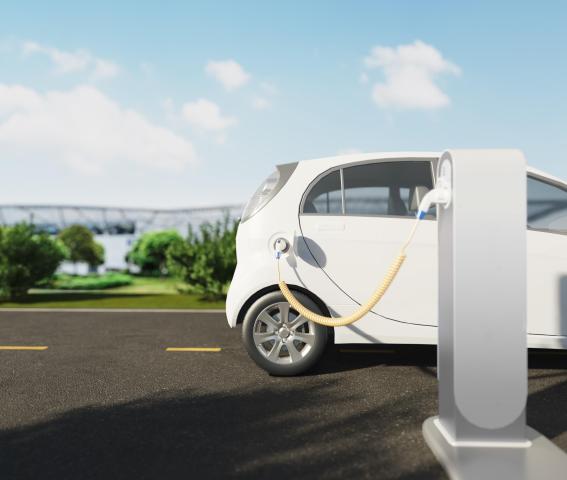
Electric Vehicle Chargers
1. Battery Maintenance
The battery is the heart of any electric vehicle, and its care is critical to maintaining performance and extending the vehicle’s lifespan. According to the National Renewable Energy Laboratory (NREL), modern EV batteries are expected to last between 12 and 15 years in moderate climates. In extreme environments—such as those with very high or low temperatures—battery life can decrease to between 8 and 12 years.
Tips for Extending Battery Life:
-
Avoid Extreme Temperatures: Prolonged exposure to extreme temperatures can degrade battery health over time. Park in shaded or indoor areas when possible.
-
Maintain Optimal Charge Levels: Avoid charging the battery to 100% or allowing it to fall to 0%. Most manufacturers recommend keeping the charge level between 20% and 80%.
-
Use Fast Charging Sparingly: Although fast charging is convenient, frequent use can strain the battery. Opt for Level 2 charging for regular use.
-
Regular Software Updates: Many EVs receive over-the-air updates that optimize battery performance. Ensure your vehicle’s software is always up to date.
2. Brake System Maintenance
EVs share the same basic brake components as ICE vehicles, such as brake discs and pads. However, electric vehicles benefit from regenerative braking, a system that converts kinetic energy into electricity to recharge the battery. This reduces wear on the brake pads but does not eliminate the need for brake maintenance entirely.
Key Brake Maintenance Tips:
-
Follow the manufacturer’s recommendations for brake inspections and servicing.
-
Regularly check brake fluid levels and replace it as necessary.
-
Be alert to any changes in braking performance, such as unusual noises or reduced responsiveness.
3. Cooling System Maintenance
Contrary to popular belief, electric vehicles also require cooling systems. These systems are crucial for maintaining the battery's temperature and ensuring stable performance. Most EVs use liquid cooling to regulate the battery temperature, similar to how radiators cool ICE engines.
Cooling System Care:
-
Regularly inspect the cooling system for leaks or damage.
-
Ensure coolant levels are adequate and replace coolant per the manufacturer’s schedule.
-
Keep the cooling system clean and free of debris to ensure proper airflow.
4. Tire Maintenance
Tires are a vital component of any vehicle, including EVs. Due to their instant torque and the additional weight from the battery pack, electric vehicles can be harder on tires than ICE vehicles. Proper tire care is essential for safety, performance, and efficiency.
Tire Care Tips:
-
Check Tire Pressure: Underinflated tires can reduce driving range and increase wear. Check tire pressure every few weeks and inflate to the manufacturer’s recommended levels.
-
Rotate Tires Regularly: Tire rotation helps ensure even wear, extending tire lifespan. Follow the manufacturer’s recommended rotation schedule.
-
Inspect Tread Depth: Worn tires compromise handling and safety. Use a tread depth gauge to monitor tire wear and replace tires when necessary.
-
Wheel Alignment: Misaligned wheels can lead to uneven tire wear and affect handling. Periodically check alignment.
5. Cabin Air Filter Maintenance
The cabin air filter is essential for maintaining air quality inside the vehicle by trapping dust, pollen, and other pollutants. Over time, the filter can become clogged, reducing its effectiveness and straining the HVAC system.
Cabin Air Filter Care:
-
Replace the cabin air filter every 12,000 to 15,000 miles, or more frequently if you drive in dusty or polluted environments.
6. Wiper Fluid and Windshield Wiper Replacements
Windshield wipers and wiper fluid are often overlooked, but they’re crucial for maintaining visibility, especially in adverse weather conditions. Wiper blades typically last about six months but may need replacing more often depending on usage and environmental factors.
Wiper Maintenance Tips:
-
Inspect wiper blades regularly, particularly during spring and fall. Replace them if they show signs of wear or streaking.
-
Keep the wiper fluid reservoir filled, and use de-icing fluid during winter months to improve performance in cold weather.
-
Clean the windshield regularly to prevent dirt and debris from damaging the wiper blades.
Additional Maintenance Considerations
While EVs typically require less maintenance than ICE vehicles, there are a few additional tasks to keep in mind:
-
Software Updates: Many EVs receive regular over-the-air software updates that improve performance, introduce new features, and fix potential issues. Keeping the vehicle’s software up to date ensures optimal performance.
-
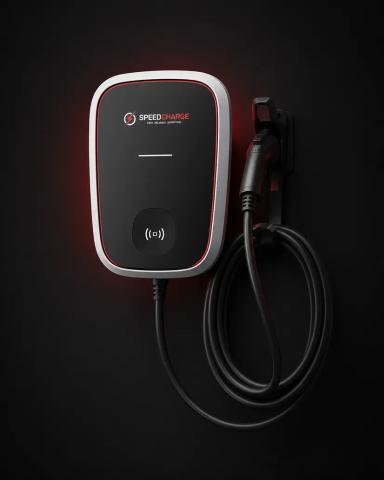
Charging Equipment: If you have a home EV charger, inspect it regularly for any damage or wear. Keep the charging port clean and free of debris to prevent charging issues.
-
Suspension and Alignment: EVs often weigh more than ICE vehicles due to their battery packs, which can put additional strain on the suspension system. Regularly check suspension components and wheel alignment.
The Benefits of EV Maintenance
While electric vehicles do require maintenance, the overall costs and efforts involved are generally lower than those for ICE vehicles. Here are some key benefits of maintaining your EV:
-
Longer Lifespan: Regular maintenance helps extend the life of your EV’s key components, including the battery, brakes, and tires.
-
Improved Performance: Well-maintained EVs offer better performance, efficiency, and range.
-
Safety: Keeping critical systems like brakes and tires in good condition reduces the risk of accidents.
-
Cost Savings: Preventive maintenance helps avoid expensive repairs down the line, reducing long-term ownership costs.
Conclusion
Electric vehicles offer a simpler, more cost-effective maintenance experience compared to traditional ICE vehicles. By following the manufacturer's recommended maintenance tasks, such as caring for the battery, inspecting brakes, rotating tires, and replacing cabin air filters, you can ensure your EV runs smoothly for years to come. As the electric vehicle market continues to expand, understanding and adhering to these maintenance requirements will help you maximize the benefits of owning an EV—from reduced operating costs to a more sustainable driving experience. Whether you’re a new EV owner or considering making the switch, proper maintenance is key to a seamless and enjoyable driving experience.Know more about Google SEO Directory